
Elon Musk loses OpenAI lawsuit, says court never ruled on core allegations
Elon Musk said he plans to appeal the verdict to the Ninth Circuit Court of Appeals after a California jury ruled that he had waited too long to bring the lawsuit.
- May 19, 2026,
- Updated May 19, 2026 10:21 AM IST
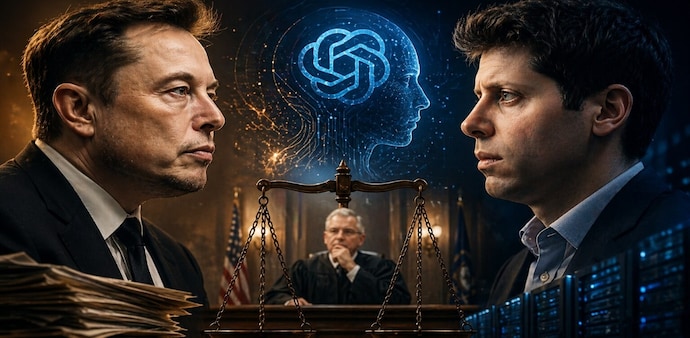
Elon Musk has reacted sharply after losing his high-profile lawsuit against OpenAI, saying the court never ruled on the actual allegations he made against the company and its leadership, but dismissed the case on what he called a “calendar technicality.”
The billionaire, who co-founded OpenAI in 2015 before leaving the company in 2018, said he plans to appeal the verdict to the Ninth Circuit Court of Appeals after a California jury ruled that he had waited too long to bring the lawsuit.
Must read: Elon Musk vs Sam Altman: What the landmark trial is about and what's at stake
“Regarding the OpenAI case, the judge & jury never actually ruled on the merits of the case, just on a calendar technicality,” Musk wrote in a post on X after the verdict.
He also renewed his accusations against OpenAI CEO Sam Altman and president Greg Brockman, alleging that the company abandoned its original nonprofit mission for financial gain.
“There is no question to anyone following the case in detail that Altman & Brockman did in fact enrich themselves by stealing a charity. The only question is WHEN they did it!” Musk wrote.
The verdict comes at a critical time for both OpenAI and Musk as they push toward potentially record-breaking public market debuts. OpenAI recently raised fresh funding at a valuation of more than $850 billion, while Musk’s SpaceX is preparing for a widely anticipated IPO after its merger with xAI earlier this year.
Must read: ‘I came up with the idea’: Elon Musk in court, questions OpenAI’s shift under Sam Altman
The lawsuit, filed in 2024, sought as much as $150 billion in damages and aimed to unwind OpenAI’s for-profit restructuring. Musk had argued that OpenAI violated its founding commitment to develop artificial intelligence “for the benefit of humanity” rather than private profit.
However, the advisory jury in Oakland, California, concluded that Musk had already known about OpenAI’s transition toward a commercial structure years before filing the case, placing the lawsuit outside California’s three-year statute of limitations.
Judge Yvonne Gonzalez Rogers adopted the jury’s verdict after less than two hours of deliberation and dismissed the case. The court did not rule on whether OpenAI had actually breached its charitable mission, focusing only on whether Musk filed the lawsuit within the legal deadline.
Must read: Sam Altman's outside bets raise fresh conflict questions as OpenAI nears IPO
“There’s a substantial amount of evidence to support the jury’s finding,” Judge Rogers said while wrapping up the three-week trial.
Musk’s legal team said they would challenge the decision in the appeals court. In his X post, Musk said allowing such a precedent would damage charitable giving in the US.
“I will be filing an appeal with the Ninth Circuit, because creating a precedent to loot charities is incredibly destructive to charitable giving in America,” he wrote.
The case also named Microsoft as a defendant, with Musk accusing the software giant of helping OpenAI move away from its nonprofit structure after investing billions into the AI startup. The court dismissed claims against Microsoft as well.
For Unparalleled coverage of India's Businesses and Economy – Subscribe to Business Today Magazine
Elon Musk has reacted sharply after losing his high-profile lawsuit against OpenAI, saying the court never ruled on the actual allegations he made against the company and its leadership, but dismissed the case on what he called a “calendar technicality.”
The billionaire, who co-founded OpenAI in 2015 before leaving the company in 2018, said he plans to appeal the verdict to the Ninth Circuit Court of Appeals after a California jury ruled that he had waited too long to bring the lawsuit.
Must read: Elon Musk vs Sam Altman: What the landmark trial is about and what's at stake
“Regarding the OpenAI case, the judge & jury never actually ruled on the merits of the case, just on a calendar technicality,” Musk wrote in a post on X after the verdict.
He also renewed his accusations against OpenAI CEO Sam Altman and president Greg Brockman, alleging that the company abandoned its original nonprofit mission for financial gain.
“There is no question to anyone following the case in detail that Altman & Brockman did in fact enrich themselves by stealing a charity. The only question is WHEN they did it!” Musk wrote.
The verdict comes at a critical time for both OpenAI and Musk as they push toward potentially record-breaking public market debuts. OpenAI recently raised fresh funding at a valuation of more than $850 billion, while Musk’s SpaceX is preparing for a widely anticipated IPO after its merger with xAI earlier this year.
Must read: ‘I came up with the idea’: Elon Musk in court, questions OpenAI’s shift under Sam Altman
The lawsuit, filed in 2024, sought as much as $150 billion in damages and aimed to unwind OpenAI’s for-profit restructuring. Musk had argued that OpenAI violated its founding commitment to develop artificial intelligence “for the benefit of humanity” rather than private profit.
However, the advisory jury in Oakland, California, concluded that Musk had already known about OpenAI’s transition toward a commercial structure years before filing the case, placing the lawsuit outside California’s three-year statute of limitations.
Judge Yvonne Gonzalez Rogers adopted the jury’s verdict after less than two hours of deliberation and dismissed the case. The court did not rule on whether OpenAI had actually breached its charitable mission, focusing only on whether Musk filed the lawsuit within the legal deadline.
Must read: Sam Altman's outside bets raise fresh conflict questions as OpenAI nears IPO
“There’s a substantial amount of evidence to support the jury’s finding,” Judge Rogers said while wrapping up the three-week trial.
Musk’s legal team said they would challenge the decision in the appeals court. In his X post, Musk said allowing such a precedent would damage charitable giving in the US.
“I will be filing an appeal with the Ninth Circuit, because creating a precedent to loot charities is incredibly destructive to charitable giving in America,” he wrote.
The case also named Microsoft as a defendant, with Musk accusing the software giant of helping OpenAI move away from its nonprofit structure after investing billions into the AI startup. The court dismissed claims against Microsoft as well.
For Unparalleled coverage of India's Businesses and Economy – Subscribe to Business Today Magazine