
How to maintain your air purifier for better performance during peak pollution season
Running an air purifier longer during pollution season also means paying attention to its filters, vents and sensors. Here is what you should clean and what you should replace.
- Nov 11, 2026,
- Updated Nov 11, 2026 7:30 AM IST
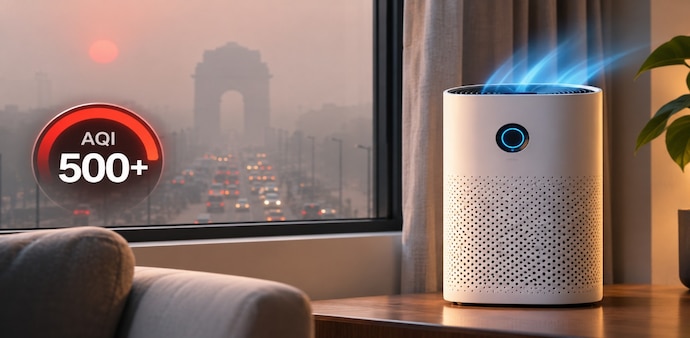
As air pollution rises during winter, air purifiers become a regular fixture in many homes, particularly across Delhi-NCR. But while you may remember to switch on the device every day, how often do you check its filters and other components? Dust, hair and other particles gradually collect inside the purifier, potentially affecting airflow and its ability to clean indoor air.
Regular maintenance can help keep the device working properly, but cleaning every component in the same way can do more harm than good. Before you open your purifier, check its model number and read the manufacturer’s instructions.
MUST READ | Delhi’s air turns ‘very poor’: Is your air purifier ready? Here’s how to clean and maintain it
Switch off and unplug the device before cleaning
Always switch off and unplug your air purifier before removing filters or cleaning its components. Keep the user manual nearby and take a photograph of the filter arrangement before removing components, so you can put them back in the correct order.
Use a soft microfibre cloth to clean the exterior. Dust the air intake and outlet grilles using a soft brush, following the instructions for your model. Avoid spraying water or cleaning solutions directly onto the device.
Clean the pre-filter, but don’t wash every filter
The pre-filter traps larger particles such as hair, lint and visible dust before they reach the main filtration layers. Depending on your model, it may be washable or suitable for cleaning with a vacuum brush attachment.
If the manufacturer permits washing, use mild soap and water and let the filter dry completely before reinstalling it. Never put a damp filter back into the purifier.
HEPA and activated carbon filters need different treatment. Don't wash these filters unless the manufacturer specifically says otherwise. HEPA filters capture fine particles, while activated carbon filters help absorb odours and certain gases. If these filters are damaged or have reached the end of their service life, replace them rather than attempting to wash them.
DON'T MISS | Buying an air purifier? 4 things you must check beyond Hepa filters as Delhi-NCR AQI worsens
Keep sensors and air vents clear
Dust can accumulate around the air quality sensor and the purifier’s air intake and outlet. Follow the manufacturer’s instructions to clean the sensor, using only the recommended tools and method. Keep the vents unobstructed by leaving enough space around the purifier for air to circulate.
Stuart Thompson, Dyson engineer, says, “During peak pollution season, an air purifier can be working harder and for longer, so regular maintenance is important. Keep air inlets, outlets and sensors clear of dust, ensure airflow around the machine is unobstructed, and regularly monitor filter life.”
Check when your filters need replacing
There is no single replacement schedule for every air purifier. Filter life depends on the model, usage and pollution levels. Check the filter-life indicator and your user manual before ordering a replacement.
Thompson adds, “Regular maintenance helps ensure that the sensing, filtration and airflow technologies can continue working together effectively when pollution levels are at their highest.”
If the purifier continues to make unusual noises, has weak airflow or produces persistent unpleasant smells after routine cleaning, check whether the filters are correctly fitted. Contact the manufacturer’s service centre if the problem continues. Do not attempt electrical or motor repairs yourself.
For Unparalleled coverage of India's Businesses and Economy – Subscribe to Business Today Magazine