
‘Market open for free innovation,’ ASG on NCLAT upholding Rs 1,338 crore penalty on Google
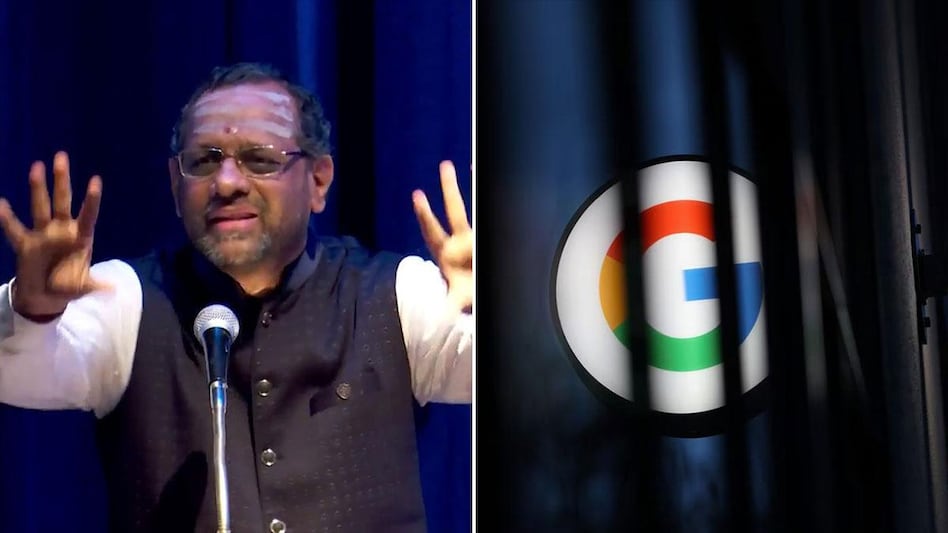
According to Additional Solicitor General N Venkataraman, when abuse of dominance is removed, it allows for free and fair market play for scientific development and innovation
- Apr 2, 2023,
- Updated Apr 2, 2023 8:50 PM IST
Additional Solicitor General N Venkataraman stated that the Appellate Tribunal NCLAT's ruling in the Google matter will open the market for "free innovation" and resonate as part of the global theme on abuse of dominance, in a recent interview with PTI. He led the legal battle on behalf of the Competition Commission of India (CCI) against Google in the Android matter.
He also asserted that the six directions of the regulator that were upheld by the NCLAT cover almost 99 per cent of the remedies recommended to address unfair business practices.
According to Venkataraman, when abuse of dominance is removed, it allows for free and fair market play for scientific development and innovation. It provides more choices for startups, OEMs (Original Equipment Manufacturers), and consumers, removing the status quo bias. The National Company Law Appellate Tribunal (NCLAT) order has set the foundation for the twin vision of Make In India and startup growth, he added.
The NCLAT recently upheld the Rs 1,338 crore penalty on Google for abusing its dominant position in the Android ecosystem as well as six remedies recommended by the fair trade regulator while rejecting four remedies. The ruling will be a significant development in competition law, even globally. Venkataraman said, "This judgment will resonate as part of the global theme on abuse of dominance."
The NCLAT's order has made it clear that Google's practices are anti-competitive in several aspects, one of them being that it restricts development and scientific innovation. Venkataraman stated that the market will now be open for free innovation, and startups will have much to contribute. Around 98 per cent of users in India use Android phones. If at some point in time, India is able to make its own OS (Operating System), the vision of Make In India will have real significance, he added.
Also read: ‘Elon is obviously attacking us,’ Sam Altman responds to Elon Musk's criticism
The NCLAT has found infractions on all five counts related to abuse of the dominant position under competition law in a textbook case where Google made sure it becomes a super dominant player exceeding 90-95 per cent of the market through three agreements - Anti-Fragmentation Agreement (AFA), Mobile Application Distribution Agreement (MADA), and Revenue Sharing Agreement (RSA).
Venkataraman pointed out that through these agreements, Google bundled 11 applications together and compelled the OEMs (Original Equipment Manufacturers) to take it or leave it. Then, it tied three of its main apps - Google Search, Google Chrome, and YouTube - with PlayStore where its dominance was above 95 per cent. Ultimately, it was ensured that the data and traffic flow only through Google Search.
The NCLAT's ruling has made it clear that Google now has to redraft all the agreements, and the current business model cannot work anymore as it is held to be an abuse of dominance. The appellate tribunal has held that the matter has been investigated properly and by following due process. It has also maintained that the CCI has conducted a fair and reasonable hearing, and has gone into all the evidence and facts before rendering the order.
(With PTI inputs)
For Unparalleled coverage of India's Businesses and Economy – Subscribe to Business Today Magazine
Additional Solicitor General N Venkataraman stated that the Appellate Tribunal NCLAT's ruling in the Google matter will open the market for "free innovation" and resonate as part of the global theme on abuse of dominance, in a recent interview with PTI. He led the legal battle on behalf of the Competition Commission of India (CCI) against Google in the Android matter.
He also asserted that the six directions of the regulator that were upheld by the NCLAT cover almost 99 per cent of the remedies recommended to address unfair business practices.
According to Venkataraman, when abuse of dominance is removed, it allows for free and fair market play for scientific development and innovation. It provides more choices for startups, OEMs (Original Equipment Manufacturers), and consumers, removing the status quo bias. The National Company Law Appellate Tribunal (NCLAT) order has set the foundation for the twin vision of Make In India and startup growth, he added.
The NCLAT recently upheld the Rs 1,338 crore penalty on Google for abusing its dominant position in the Android ecosystem as well as six remedies recommended by the fair trade regulator while rejecting four remedies. The ruling will be a significant development in competition law, even globally. Venkataraman said, "This judgment will resonate as part of the global theme on abuse of dominance."
The NCLAT's order has made it clear that Google's practices are anti-competitive in several aspects, one of them being that it restricts development and scientific innovation. Venkataraman stated that the market will now be open for free innovation, and startups will have much to contribute. Around 98 per cent of users in India use Android phones. If at some point in time, India is able to make its own OS (Operating System), the vision of Make In India will have real significance, he added.
Also read: ‘Elon is obviously attacking us,’ Sam Altman responds to Elon Musk's criticism
The NCLAT has found infractions on all five counts related to abuse of the dominant position under competition law in a textbook case where Google made sure it becomes a super dominant player exceeding 90-95 per cent of the market through three agreements - Anti-Fragmentation Agreement (AFA), Mobile Application Distribution Agreement (MADA), and Revenue Sharing Agreement (RSA).
Venkataraman pointed out that through these agreements, Google bundled 11 applications together and compelled the OEMs (Original Equipment Manufacturers) to take it or leave it. Then, it tied three of its main apps - Google Search, Google Chrome, and YouTube - with PlayStore where its dominance was above 95 per cent. Ultimately, it was ensured that the data and traffic flow only through Google Search.
The NCLAT's ruling has made it clear that Google now has to redraft all the agreements, and the current business model cannot work anymore as it is held to be an abuse of dominance. The appellate tribunal has held that the matter has been investigated properly and by following due process. It has also maintained that the CCI has conducted a fair and reasonable hearing, and has gone into all the evidence and facts before rendering the order.
(With PTI inputs)
For Unparalleled coverage of India's Businesses and Economy – Subscribe to Business Today Magazine