
Move over fingerprints and FaceID: Apple Vision Pro headset will be using your iris for logins with Optic ID
Moving beyond the traditional fingerprint and Face ID methods, this mixed reality device will utilise an innovative Optic ID system, which examines your irises through invisible LED light exposures
- Jun 6, 2023,
- Updated Jun 6, 2023 2:01 PM IST
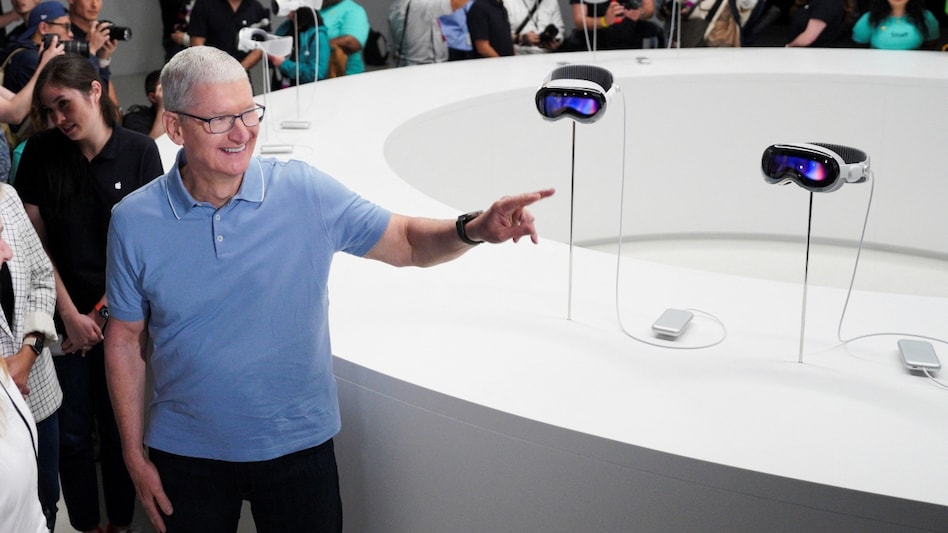
Apple's Vision Pro headset is set to revolutionise security in the company's products by introducing a new approach: iris recognition. Moving beyond the traditional fingerprint and Face ID methods, this mixed reality device will utilise an innovative Optic ID system, which examines your irises through invisible LED light exposures. By comparing this data with your enrolled eye information, the device can securely authenticate and sign you in.
This cutting-edge technology can not only serve as a replacement for passwords but could also allow you to make purchases in the App Store and use Apple Pay with ease in the future.
Privacy and security are paramount to Apple, and the company assures users that their eye data is encrypted and confined within the headset's Secure Enclave. It remains exclusively on the device and is inaccessible to any apps or external parties. Just like Face ID and Touch ID, the system ensures that no actual images or raw information can be exploited by potential intruders.
Optic ID is accompanied by a host of other privacy safeguards within the Vision Pro headset. Apple guarantees that neither they nor anyone else will have access to eye-tracking data. The processing of camera and sensor data occurs at the system level, preventing apps from accessing your surroundings for spatial functionality.
Apple's iOS 17 to drop support for many iPhones, see if yours is on the list
Additionally, when capturing photos or videos, a visual indicator will alert people nearby, avoiding any privacy concerns similar to those surrounding the controversial Google Glass.
While iris scanning has been implemented before, such as with Samsung's ill-fated Galaxy Note 7, it is a relatively novel concept for headsets. This technology could be particularly appreciated by users who prefer not to rely on keyboards, whether physical or virtual, to initiate their headset or access specific applications.
Apple recognises the significance of convenience in their goals for the Vision Pro headset, envisioning it as the foundation for a "spatial computing" platform where users can immerse themselves in mixed reality experiences for extended periods. Features like Optic ID make this platform even more secure and compelling for users.
Also Read
'Buying Netflix at $4 billion would've been better instead of...': Former Yahoo CEO Marissa Mayer
ChatGPT beats top investment funds in stock-picking experiment
For Unparalleled coverage of India's Businesses and Economy – Subscribe to Business Today Magazine
Apple's Vision Pro headset is set to revolutionise security in the company's products by introducing a new approach: iris recognition. Moving beyond the traditional fingerprint and Face ID methods, this mixed reality device will utilise an innovative Optic ID system, which examines your irises through invisible LED light exposures. By comparing this data with your enrolled eye information, the device can securely authenticate and sign you in.
This cutting-edge technology can not only serve as a replacement for passwords but could also allow you to make purchases in the App Store and use Apple Pay with ease in the future.
Privacy and security are paramount to Apple, and the company assures users that their eye data is encrypted and confined within the headset's Secure Enclave. It remains exclusively on the device and is inaccessible to any apps or external parties. Just like Face ID and Touch ID, the system ensures that no actual images or raw information can be exploited by potential intruders.
Optic ID is accompanied by a host of other privacy safeguards within the Vision Pro headset. Apple guarantees that neither they nor anyone else will have access to eye-tracking data. The processing of camera and sensor data occurs at the system level, preventing apps from accessing your surroundings for spatial functionality.
Apple's iOS 17 to drop support for many iPhones, see if yours is on the list
Additionally, when capturing photos or videos, a visual indicator will alert people nearby, avoiding any privacy concerns similar to those surrounding the controversial Google Glass.
While iris scanning has been implemented before, such as with Samsung's ill-fated Galaxy Note 7, it is a relatively novel concept for headsets. This technology could be particularly appreciated by users who prefer not to rely on keyboards, whether physical or virtual, to initiate their headset or access specific applications.
Apple recognises the significance of convenience in their goals for the Vision Pro headset, envisioning it as the foundation for a "spatial computing" platform where users can immerse themselves in mixed reality experiences for extended periods. Features like Optic ID make this platform even more secure and compelling for users.
Also Read
'Buying Netflix at $4 billion would've been better instead of...': Former Yahoo CEO Marissa Mayer
ChatGPT beats top investment funds in stock-picking experiment
For Unparalleled coverage of India's Businesses and Economy – Subscribe to Business Today Magazine