
Muslims in tech world fear retaliation in speaking up, says OpenAI boss Sam Altman
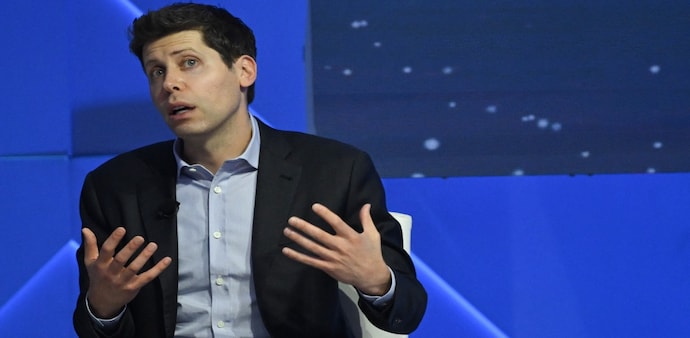
Sam Altman, at the helm of the Microsoft-backed OpenAI, urged the tech industry to exhibit more empathy.
- Jan 5, 2024,
- Updated Jan 5, 2024 2:27 PM IST
OpenAI CEO Sam Altman shed light on the silence and discomfort felt by members of the Muslim and Arab communities within the tech industry, in a candid social media post on Thursday. Altman expressed that many individuals in these communities refrained from discussing their recent experiences, primarily due to fears of repercussions and negative impacts on their careers, particularly in light of the ongoing conflict in Gaza.
"Muslim and arab (especially palestinian) colleagues in the tech community i've spoken with feel uncomfortable speaking about their recent experiences, often out of fear of retaliation and damaged career prospects. Our industry should be united in our support of these colleagues; it is an atrocious time. I continue to hope for a real and lasting peace, and that in the meantime we can treat each other with empathy," Altman shared on the social media platform X, previously known as Twitter.
Altman, at the helm of the Microsoft-backed ChatGPT maker, urged the tech industry to exhibit empathy towards members of these communities, emphasising the need for understanding and support.
Responding to a query from a user on X about his perspective on the experiences of the Jewish community, Altman highlighted his Jewish identity and voiced concerns over the escalating problem of antisemitism globally. He acknowledged the substantial support he received from the industry while lamenting the lack of similar advocacy for the Muslim community.
The discourse has brought attention to the alarming rise of antisemitism and Islamophobia, particularly in the United States and beyond, following the October 7 conflict initiated when the Palestinian Islamist group Hamas attacked Israel, resulting in casualties.
Israeli tallies report approximately 1,200 fatalities in the conflict, with Israel's subsequent assault on Gaza claiming the lives of more than 22,000 Palestinians, almost 1% of its 2.3 million population, as reported by Gaza's health ministry.
Highlighting the concerning trend, the Council on American-Islamic Relations reported a staggering 172% surge in incidents motivated by Islamophobia and bias against Palestinians and Arabs in the United States during the two months after the conflict began, compared to the same period in the previous year.
Also Read
For Unparalleled coverage of India's Businesses and Economy – Subscribe to Business Today Magazine
OpenAI CEO Sam Altman shed light on the silence and discomfort felt by members of the Muslim and Arab communities within the tech industry, in a candid social media post on Thursday. Altman expressed that many individuals in these communities refrained from discussing their recent experiences, primarily due to fears of repercussions and negative impacts on their careers, particularly in light of the ongoing conflict in Gaza.
"Muslim and arab (especially palestinian) colleagues in the tech community i've spoken with feel uncomfortable speaking about their recent experiences, often out of fear of retaliation and damaged career prospects. Our industry should be united in our support of these colleagues; it is an atrocious time. I continue to hope for a real and lasting peace, and that in the meantime we can treat each other with empathy," Altman shared on the social media platform X, previously known as Twitter.
Altman, at the helm of the Microsoft-backed ChatGPT maker, urged the tech industry to exhibit empathy towards members of these communities, emphasising the need for understanding and support.
Responding to a query from a user on X about his perspective on the experiences of the Jewish community, Altman highlighted his Jewish identity and voiced concerns over the escalating problem of antisemitism globally. He acknowledged the substantial support he received from the industry while lamenting the lack of similar advocacy for the Muslim community.
The discourse has brought attention to the alarming rise of antisemitism and Islamophobia, particularly in the United States and beyond, following the October 7 conflict initiated when the Palestinian Islamist group Hamas attacked Israel, resulting in casualties.
Israeli tallies report approximately 1,200 fatalities in the conflict, with Israel's subsequent assault on Gaza claiming the lives of more than 22,000 Palestinians, almost 1% of its 2.3 million population, as reported by Gaza's health ministry.
Highlighting the concerning trend, the Council on American-Islamic Relations reported a staggering 172% surge in incidents motivated by Islamophobia and bias against Palestinians and Arabs in the United States during the two months after the conflict began, compared to the same period in the previous year.
Also Read
For Unparalleled coverage of India's Businesses and Economy – Subscribe to Business Today Magazine