
‘Nothing strengthens science like...’: Deepinder Goyal invites ‘good skepticism’ on gravity-aging theory
According to Goyal, the hypothesis attempts to re-examine longstanding assumptions about how the brain regulates blood flow and how posture, gravity, and daily movement patterns may influence long-term neurological health.
- Nov 16, 2025,
- Updated Nov 16, 2025 8:31 PM IST
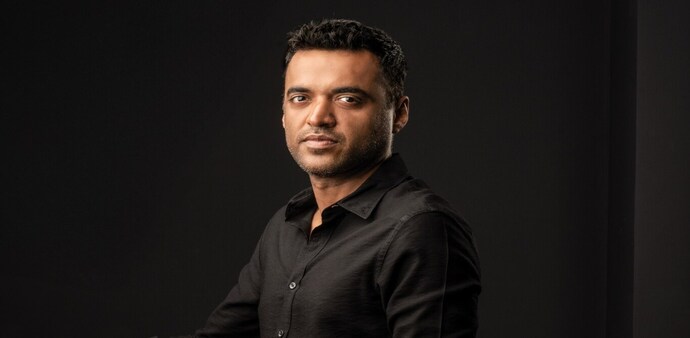
Eternal CEO Deepinder Goyal has thanked both supporters and skeptics for engaging with Continue Research’s provocative new theory — the “Gravity Aging Hypothesis” — which suggests that gravity may play a direct and underappreciated role in human ageing.
In a detailed post on X, Goyal wrote, “Thank you for your attention to what we published yesterday. And an even bigger thanks to all the skeptics. Nothing strengthens science like good skepticism.” He emphasised that the hypothesis is not a claim of truth but a well-researched, testable idea that merits deeper scientific scrutiny.
Hypothesis with far-reaching implications
According to Goyal, the hypothesis attempts to re-examine longstanding assumptions about how the brain regulates blood flow and how posture, gravity, and daily movement patterns may influence long-term neurological health. He noted that skepticism often arises from “an older picture of how the brain works,” while recent data from spaceflight studies, brain perfusion research, and autonomic disorders point toward insights that were previously overlooked.
Continue Research has also published a companion document addressing the most common misconceptions and scientific contradictions raised since the announcement. It includes explanations on topics such as autoregulation, the “astronaut paradox,” evidence from bats and height-based variations, and why practices like yoga offer clues.
Passive inversions show promising early data
The team asserts that passive inversions — simple movements like resting with legs elevated — increase cerebral blood flow (CBF) by approximately 20.2%, outperforming active inversions common in yoga, which show a 13.3% increase. Even the widely practiced “legs-up-the-wall” pose, it says, provides a meaningful boost.
Continue Research further claims that 10 minutes of daily passive inversion over six weeks led to a 7% rise in average daily brain blood flow among human subjects. The organisation equates that improvement to the equivalent of “around 10 years of younger age,” based on expected annual declines in CBF.
'We are trying to prove ourselves wrong'
Goyal made clear that he is sharing the idea not as the head of Eternal but as a curious individual invested in upstream biology. He stressed that the hypothesis is open-source and grounded in current science — and that the goal is not advocacy but exploration.
“At Continue, we are running studies designed to both support and refute the hypothesis, without any confirmation bias,” he wrote. The team has even established a small “contra group” dedicated solely to attempting to invalidate the idea.
Support from scientists
Goyal revealed that several prominent scientists have responded positively, calling the hypothesis intriguing and potentially important for human longevity. But he cautioned that enthusiasm is not a substitute for evidence.
“Support alone doesn’t matter,” he said. “What we need now is solid scientific evidence.” Continue Research is now collaborating with multiple scientific teams to design and run rigorous tests.
He emphasised that the goal is not to suggest gravity is the cause of aging, but that it could be an overlooked contributing factor worthy of systematic investigation. Drawing on Newton and Einstein’s foundational work on gravity, Goyal suggested it may also play a role in biological decline over time.
A long road of testing ahead
Concluding his post, Goyal said he is “curious to see where the next few years of data take this idea” and welcomed “constructive skepticism along for the ride.” The early findings have already ignited significant debate within scientific communities, longevity researchers, and public audiences — setting the stage for one of the more unusual but increasingly discussed theories in aging research today.
For Unparalleled coverage of India's Businesses and Economy – Subscribe to Business Today Magazine
Eternal CEO Deepinder Goyal has thanked both supporters and skeptics for engaging with Continue Research’s provocative new theory — the “Gravity Aging Hypothesis” — which suggests that gravity may play a direct and underappreciated role in human ageing.
In a detailed post on X, Goyal wrote, “Thank you for your attention to what we published yesterday. And an even bigger thanks to all the skeptics. Nothing strengthens science like good skepticism.” He emphasised that the hypothesis is not a claim of truth but a well-researched, testable idea that merits deeper scientific scrutiny.
Hypothesis with far-reaching implications
According to Goyal, the hypothesis attempts to re-examine longstanding assumptions about how the brain regulates blood flow and how posture, gravity, and daily movement patterns may influence long-term neurological health. He noted that skepticism often arises from “an older picture of how the brain works,” while recent data from spaceflight studies, brain perfusion research, and autonomic disorders point toward insights that were previously overlooked.
Continue Research has also published a companion document addressing the most common misconceptions and scientific contradictions raised since the announcement. It includes explanations on topics such as autoregulation, the “astronaut paradox,” evidence from bats and height-based variations, and why practices like yoga offer clues.
Passive inversions show promising early data
The team asserts that passive inversions — simple movements like resting with legs elevated — increase cerebral blood flow (CBF) by approximately 20.2%, outperforming active inversions common in yoga, which show a 13.3% increase. Even the widely practiced “legs-up-the-wall” pose, it says, provides a meaningful boost.
Continue Research further claims that 10 minutes of daily passive inversion over six weeks led to a 7% rise in average daily brain blood flow among human subjects. The organisation equates that improvement to the equivalent of “around 10 years of younger age,” based on expected annual declines in CBF.
'We are trying to prove ourselves wrong'
Goyal made clear that he is sharing the idea not as the head of Eternal but as a curious individual invested in upstream biology. He stressed that the hypothesis is open-source and grounded in current science — and that the goal is not advocacy but exploration.
“At Continue, we are running studies designed to both support and refute the hypothesis, without any confirmation bias,” he wrote. The team has even established a small “contra group” dedicated solely to attempting to invalidate the idea.
Support from scientists
Goyal revealed that several prominent scientists have responded positively, calling the hypothesis intriguing and potentially important for human longevity. But he cautioned that enthusiasm is not a substitute for evidence.
“Support alone doesn’t matter,” he said. “What we need now is solid scientific evidence.” Continue Research is now collaborating with multiple scientific teams to design and run rigorous tests.
He emphasised that the goal is not to suggest gravity is the cause of aging, but that it could be an overlooked contributing factor worthy of systematic investigation. Drawing on Newton and Einstein’s foundational work on gravity, Goyal suggested it may also play a role in biological decline over time.
A long road of testing ahead
Concluding his post, Goyal said he is “curious to see where the next few years of data take this idea” and welcomed “constructive skepticism along for the ride.” The early findings have already ignited significant debate within scientific communities, longevity researchers, and public audiences — setting the stage for one of the more unusual but increasingly discussed theories in aging research today.
For Unparalleled coverage of India's Businesses and Economy – Subscribe to Business Today Magazine