
‘Remote jobs now for the very special’: Randstad CEOs signal end of WFH era
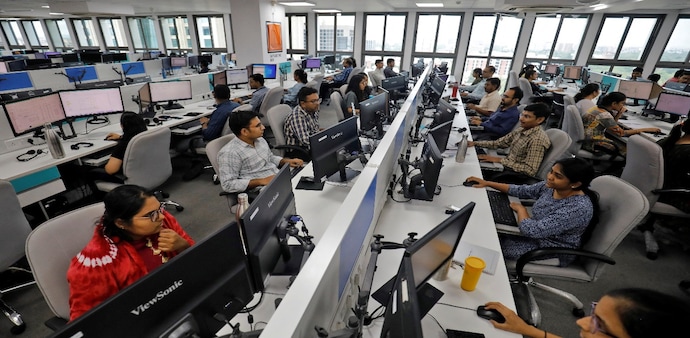
As organisations push for greater in-office attendance, a new pecking order is taking shape. Hybrid work arrangements, once broadly offered during the pandemic, are now being selectively applied.
- Dec 27, 2025,
- Updated Dec 27, 2025 2:49 PM IST
The long-running battle between work-from-home and office attendance appears to be nearing its end. According to Sander van’t Noordende, global chief executive of hiring firm Randstad, the so-called return-to-office war is effectively over, with companies increasingly resetting expectations around where and how employees work.
In an interview with Fortune, van’t Noordende said fully remote roles are fast becoming the exception rather than the norm — and are now largely reserved for elite performers with highly specialised skills. “You have to be very special to be able to demand a 100% remote job,” he said, adding that employees with niche technology expertise or rare capabilities are most likely to retain such flexibility.
A new workplace hierarchy emerges
As organisations push for greater in-office attendance, a new pecking order is taking shape. Hybrid work arrangements, once broadly offered during the pandemic, are now being selectively applied. Senior leadership and high-value employees are more likely to enjoy flexibility, while others are expected to comply with stricter attendance mandates.
This shift mirrors earlier predictions by global consulting firm Korn Ferry, which warned of a “new hybrid hierarchy” emerging in corporate workplaces. In its report earlier this year, the firm noted that flexibility would increasingly become a benefit linked to talent value rather than a universal policy. “2025’s Haves and Have-Nots will be divided not by economics, but by talent and how much the company wants them,” the report said.
Freelance work not a universal solution
While flexible arrangements within organisations are shrinking, freelance and contract work has grown steadily. However, van’t Noordende cautioned that independent work is not a viable alternative for everyone. According to him, successful freelancing demands strong commercial instincts, networking abilities and self-marketing skills — qualities that not all professionals possess.
“The whole phenomenon of freelance work has been coming up over the last decades,” he said, noting that the model favours individuals who can consistently secure work and manage uncertainty.
Big Tech tightens attendance rules
The renewed push for office attendance gained momentum this year after Amazon mandated a five-day return to office for its workforce. The move set the tone for much of the technology and corporate sector, with several major firms soon following suit.
Companies such as Dell, IBM, Meta, Salesforce, Snap, Google, Microsoft, Apple, Goldman Sachs, JPMorgan, Disney and AT&T have since rolled out or tightened return-to-office policies, signalling a broader shift away from pandemic-era flexibility.
The year ended with Instagram chief Adam Mosseri announcing a full-time return to office for US employees. In a companywide memo, Mosseri said staff would be required to work from the office five days a week starting February 2.
For Unparalleled coverage of India's Businesses and Economy – Subscribe to Business Today Magazine
The long-running battle between work-from-home and office attendance appears to be nearing its end. According to Sander van’t Noordende, global chief executive of hiring firm Randstad, the so-called return-to-office war is effectively over, with companies increasingly resetting expectations around where and how employees work.
In an interview with Fortune, van’t Noordende said fully remote roles are fast becoming the exception rather than the norm — and are now largely reserved for elite performers with highly specialised skills. “You have to be very special to be able to demand a 100% remote job,” he said, adding that employees with niche technology expertise or rare capabilities are most likely to retain such flexibility.
A new workplace hierarchy emerges
As organisations push for greater in-office attendance, a new pecking order is taking shape. Hybrid work arrangements, once broadly offered during the pandemic, are now being selectively applied. Senior leadership and high-value employees are more likely to enjoy flexibility, while others are expected to comply with stricter attendance mandates.
This shift mirrors earlier predictions by global consulting firm Korn Ferry, which warned of a “new hybrid hierarchy” emerging in corporate workplaces. In its report earlier this year, the firm noted that flexibility would increasingly become a benefit linked to talent value rather than a universal policy. “2025’s Haves and Have-Nots will be divided not by economics, but by talent and how much the company wants them,” the report said.
Freelance work not a universal solution
While flexible arrangements within organisations are shrinking, freelance and contract work has grown steadily. However, van’t Noordende cautioned that independent work is not a viable alternative for everyone. According to him, successful freelancing demands strong commercial instincts, networking abilities and self-marketing skills — qualities that not all professionals possess.
“The whole phenomenon of freelance work has been coming up over the last decades,” he said, noting that the model favours individuals who can consistently secure work and manage uncertainty.
Big Tech tightens attendance rules
The renewed push for office attendance gained momentum this year after Amazon mandated a five-day return to office for its workforce. The move set the tone for much of the technology and corporate sector, with several major firms soon following suit.
Companies such as Dell, IBM, Meta, Salesforce, Snap, Google, Microsoft, Apple, Goldman Sachs, JPMorgan, Disney and AT&T have since rolled out or tightened return-to-office policies, signalling a broader shift away from pandemic-era flexibility.
The year ended with Instagram chief Adam Mosseri announcing a full-time return to office for US employees. In a companywide memo, Mosseri said staff would be required to work from the office five days a week starting February 2.
For Unparalleled coverage of India's Businesses and Economy – Subscribe to Business Today Magazine