
'Should I step down as head of Twitter?' - Elon Musk takes a big Twitter poll risk
The move comes after a rollercoaster of 2.5 months since his takeover which has seen the top management and more than 50% of its 7,500-strong global workforce get fired
- Dec 19, 2022,
- Updated Dec 19, 2022 8:18 AM IST
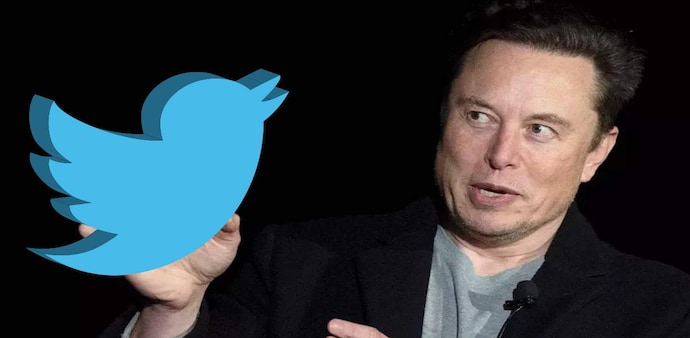
Twitter owner Elon Musk started a poll on Monday asking users of the microblogging site if he should quit as head of the social-media firm he bought only two-and-a-half months ago, and adding that he will abide by the poll results.
The tweets mark the latest twist in a rollercoaster of a period for the company over the past eight months, especially after Musk, one of the richest men in the world, took over. Since entering the Twitter HQ with a kitchen sink in his hand, his tenure has been marked by sweeping changes at the company. He fired the top management including India-born CEO Parag Agarwal and sacked more than 50% of its global workforce of 7,500 and took the public company private.
“Should I step down as head of Twitter? I will abide by the results of this poll,” he tweeted from his account, giving users the options of ‘Yes’ and ‘No’. Posted at 4:50 am India time on December 19, 2022, the tweet had 6,192,394 votes at 7 am, with 9 hours and 43 minutes left for the poll to close.
He immediately followed it up with another tweet: “As the saying goes, be careful what you wish, as you might get it.”
Musk bought the company in early October for $44 billion, six months after initially proposing to buy the company. After numerous twists and turns, he finally agreed to close the deal at his original offer price of $54.20 a share, days ahead of an impending trial later.
On April 4, a regulatory filing revealed that Tesla boss Elon Musk had picked up a 9.2 per cent stake in Twitter worth $3 billion, making one of the most prolific users of the micro-blogging site its largest shareholder.
Ten days later, Musk offered to buy Twitter for $54.20 a share or a total of about $44 billion, saying that the company needed to be taken private to address free speech issues surrounding it. “My offer is my best and final offer and if it is not accepted, I would need to reconsider my position as a shareholder,” he said in a letter to Twitter Chairman Bret Taylor, according to a regulatory disclosure. He later lined up a $46.5 billion package to fund his unsolicited bid to buy Twitter in a combination of debt and equity financing, according to securities filings.
On April 25, after trying to fend off the offer through a poison pill strategy, Twitter accepted the world’s richest person’s offer to buy and take it public. The $44-billion buyout was one of the biggest-ever acquisitions of a tech company. “Free speech is the bedrock of a functioning democracy, and Twitter is the digital town square where matters vital to the future of humanity are debated,” Musk said in a statement announcing the deal.
On May 13, Musk posted a surprise tweet that the deal was "temporarily on hold pending details supporting calculation that spam/fake accounts do indeed represent less than 5 per cent of users”. He quickly followed it up with another tweet: Still committed to acquisition.
On May 16, In a series of tweets, the platform’s India-born CEO Parag Agrawal explained how the company could tackle spam accounts and bots. Musk responded with a poop emoji, making his fight with the CEO public.
On May 17, keeping the guessing game on, Musk tweeted that “this deal cannot move forward” until he gets more clarity from the platform about the extent of its problem of spam and fake accounts. Twitter responded saying it is “committed to completing the transaction on the agreed price and terms as promptly as practicable.”
On July 8, Musk’s lawyers informed the SEC in a filing that the billionaire was terminating the deal as the platform had failed to respond to his concerns around spam and fake accounts.
On July 12, Twitter sued Elon Musk, setting up a fight in a Delaware court to force him back into the deal. "Having mounted a public spectacle to put Twitter in play, and having proposed and then signed a seller-friendly merger agreement, [Mr] Musk apparently believes that he - unlike every other party subject to Delaware contract law - is free to change his mind, trash the company, disrupt its operations, destroy stockholder value, and walk away," said the lawsuit.
On July 19, A Delaware judge agreed to Twitter’s request to fast-track the trial, scheduling it for five days in October.
On August 10, Musk sold $7 billion of Tesla stock, according to regulatory filings. He later tweeted the move was to raise funds in case he was forced to complete his $44-billion Twitter deal.
On October 4, Twitter confirmed that Musk had agreed to buy Twitter for his original offer of $54.20 a share, days ahead of the impending trial in a Delaware court.
Also read: 'They posted my...assassination coordinates': What is Elon Musk's 'doxxing rule' for Twitter?
Also read: Free speech advocate Elon Musk suspends Twitter accounts of roughly a dozen journalists
For Unparalleled coverage of India's Businesses and Economy – Subscribe to Business Today Magazine
Twitter owner Elon Musk started a poll on Monday asking users of the microblogging site if he should quit as head of the social-media firm he bought only two-and-a-half months ago, and adding that he will abide by the poll results.
The tweets mark the latest twist in a rollercoaster of a period for the company over the past eight months, especially after Musk, one of the richest men in the world, took over. Since entering the Twitter HQ with a kitchen sink in his hand, his tenure has been marked by sweeping changes at the company. He fired the top management including India-born CEO Parag Agarwal and sacked more than 50% of its global workforce of 7,500 and took the public company private.
“Should I step down as head of Twitter? I will abide by the results of this poll,” he tweeted from his account, giving users the options of ‘Yes’ and ‘No’. Posted at 4:50 am India time on December 19, 2022, the tweet had 6,192,394 votes at 7 am, with 9 hours and 43 minutes left for the poll to close.
He immediately followed it up with another tweet: “As the saying goes, be careful what you wish, as you might get it.”
Musk bought the company in early October for $44 billion, six months after initially proposing to buy the company. After numerous twists and turns, he finally agreed to close the deal at his original offer price of $54.20 a share, days ahead of an impending trial later.
On April 4, a regulatory filing revealed that Tesla boss Elon Musk had picked up a 9.2 per cent stake in Twitter worth $3 billion, making one of the most prolific users of the micro-blogging site its largest shareholder.
Ten days later, Musk offered to buy Twitter for $54.20 a share or a total of about $44 billion, saying that the company needed to be taken private to address free speech issues surrounding it. “My offer is my best and final offer and if it is not accepted, I would need to reconsider my position as a shareholder,” he said in a letter to Twitter Chairman Bret Taylor, according to a regulatory disclosure. He later lined up a $46.5 billion package to fund his unsolicited bid to buy Twitter in a combination of debt and equity financing, according to securities filings.
On April 25, after trying to fend off the offer through a poison pill strategy, Twitter accepted the world’s richest person’s offer to buy and take it public. The $44-billion buyout was one of the biggest-ever acquisitions of a tech company. “Free speech is the bedrock of a functioning democracy, and Twitter is the digital town square where matters vital to the future of humanity are debated,” Musk said in a statement announcing the deal.
On May 13, Musk posted a surprise tweet that the deal was "temporarily on hold pending details supporting calculation that spam/fake accounts do indeed represent less than 5 per cent of users”. He quickly followed it up with another tweet: Still committed to acquisition.
On May 16, In a series of tweets, the platform’s India-born CEO Parag Agrawal explained how the company could tackle spam accounts and bots. Musk responded with a poop emoji, making his fight with the CEO public.
On May 17, keeping the guessing game on, Musk tweeted that “this deal cannot move forward” until he gets more clarity from the platform about the extent of its problem of spam and fake accounts. Twitter responded saying it is “committed to completing the transaction on the agreed price and terms as promptly as practicable.”
On July 8, Musk’s lawyers informed the SEC in a filing that the billionaire was terminating the deal as the platform had failed to respond to his concerns around spam and fake accounts.
On July 12, Twitter sued Elon Musk, setting up a fight in a Delaware court to force him back into the deal. "Having mounted a public spectacle to put Twitter in play, and having proposed and then signed a seller-friendly merger agreement, [Mr] Musk apparently believes that he - unlike every other party subject to Delaware contract law - is free to change his mind, trash the company, disrupt its operations, destroy stockholder value, and walk away," said the lawsuit.
On July 19, A Delaware judge agreed to Twitter’s request to fast-track the trial, scheduling it for five days in October.
On August 10, Musk sold $7 billion of Tesla stock, according to regulatory filings. He later tweeted the move was to raise funds in case he was forced to complete his $44-billion Twitter deal.
On October 4, Twitter confirmed that Musk had agreed to buy Twitter for his original offer of $54.20 a share, days ahead of the impending trial in a Delaware court.
Also read: 'They posted my...assassination coordinates': What is Elon Musk's 'doxxing rule' for Twitter?
Also read: Free speech advocate Elon Musk suspends Twitter accounts of roughly a dozen journalists
For Unparalleled coverage of India's Businesses and Economy – Subscribe to Business Today Magazine