
Pakistan raises fuel prices 20%; petrol at PKR 321, diesel PKR 335 as Iran war drives oil surge
The government raised prices by PKR 55 per litre, pushing petrol to PKR 321.17 per litre and high-speed diesel to PKR 335.86 per litre, one of the steepest increases in recent years. The hike comes as tensions in West Asia intensify following military strikes involving Iran, Israel and the United States.
- Mar 7, 2026,
- Updated Mar 7, 2026 11:26 AM IST
Pakistan sharply increased petrol and diesel prices late Friday, citing a surge in global oil rates triggered by the escalating Iran conflict that has begun to disrupt energy supply routes across the West Asia.
The government raised prices by PKR 55 per litre, pushing petrol to PKR 321.17 per litre and high-speed diesel to PKR 335.86 per litre, one of the steepest increases in recent years. The hike comes as tensions in West Asia intensify following military strikes involving Iran, Israel and the United States, raising concerns about supply disruptions in global oil markets.
Officials said the decision was taken after emergency consultations led by Deputy Prime Minister Ishaq Dar, Finance Minister Muhammad Aurangzeb and Petroleum Minister Ali Pervaiz Malik, as international crude prices jumped amid fears of restricted shipping through the Strait of Hormuz.
Pakistan relies heavily on imported fuel, sourcing most of its crude oil from Saudi Arabia and the United Arab Emirates via the Strait of Hormuz, making the country particularly vulnerable to any disruption in the region. The waterway handles a large share of global oil shipments, and tensions around the route have pushed up prices and insurance costs for cargoes heading to Asia.
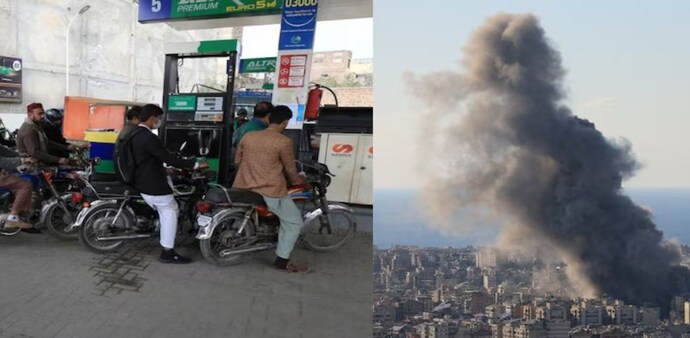
The sudden increase triggered panic buying in several cities, with long queues reported at petrol pumps in Karachi, Lahore and Islamabad as consumers rushed to fill tanks ahead of the price revision.
Prime Minister Shehbaz Sharif warned against hoarding, saying the country has adequate reserves but must use them carefully amid uncertainty over how long the Middle East crisis will continue.
Officials said domestic fuel prices will now be reviewed on a weekly basis to reflect global market movements. Local media reports also said the International Monetary Fund had urged Pakistan to adjust fuel prices in line with rising international rates during ongoing discussions with the government.
Economists warned the hike could quickly feed into broader inflation, raising transportation, food and electricity costs in an economy already under pressure from high debt and weak growth. With global oil prices rising and supply risks mounting, further increases cannot be ruled out if the conflict continues to disrupt energy flows.
Pakistan sharply increased petrol and diesel prices late Friday, citing a surge in global oil rates triggered by the escalating Iran conflict that has begun to disrupt energy supply routes across the West Asia.
The government raised prices by PKR 55 per litre, pushing petrol to PKR 321.17 per litre and high-speed diesel to PKR 335.86 per litre, one of the steepest increases in recent years. The hike comes as tensions in West Asia intensify following military strikes involving Iran, Israel and the United States, raising concerns about supply disruptions in global oil markets.
Officials said the decision was taken after emergency consultations led by Deputy Prime Minister Ishaq Dar, Finance Minister Muhammad Aurangzeb and Petroleum Minister Ali Pervaiz Malik, as international crude prices jumped amid fears of restricted shipping through the Strait of Hormuz.
Pakistan relies heavily on imported fuel, sourcing most of its crude oil from Saudi Arabia and the United Arab Emirates via the Strait of Hormuz, making the country particularly vulnerable to any disruption in the region. The waterway handles a large share of global oil shipments, and tensions around the route have pushed up prices and insurance costs for cargoes heading to Asia.
The sudden increase triggered panic buying in several cities, with long queues reported at petrol pumps in Karachi, Lahore and Islamabad as consumers rushed to fill tanks ahead of the price revision.
Prime Minister Shehbaz Sharif warned against hoarding, saying the country has adequate reserves but must use them carefully amid uncertainty over how long the Middle East crisis will continue.
Officials said domestic fuel prices will now be reviewed on a weekly basis to reflect global market movements. Local media reports also said the International Monetary Fund had urged Pakistan to adjust fuel prices in line with rising international rates during ongoing discussions with the government.
Economists warned the hike could quickly feed into broader inflation, raising transportation, food and electricity costs in an economy already under pressure from high debt and weak growth. With global oil prices rising and supply risks mounting, further increases cannot be ruled out if the conflict continues to disrupt energy flows.