


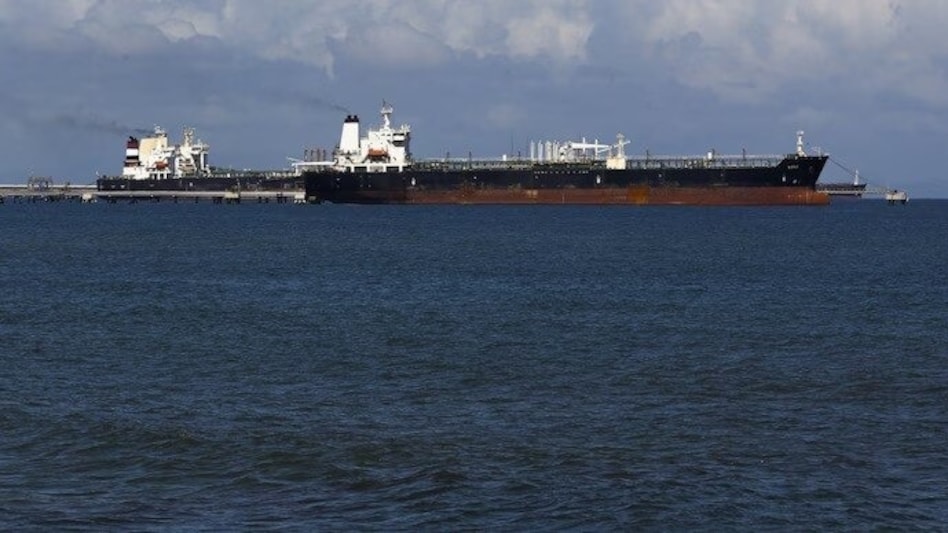
 The closure of airspace and airports in countries such as the UAE, Qatar, Bahrain, Kuwait, Iraq and Iran has left tens of thousands of passengers and large volumes of cargo stranded.
Escalating tensions around Iran are causing major disruptions to global ocean freight and air cargo networks, affecting the movement of critical goods worldwide. Industry experts warn that prolonged instability could trigger supply bottlenecks, higher freight costs and potential shortages across multiple sectors.
The escalation of conflict in Iran has triggered significant disruption to global ocean freight and air cargo supply chains, extending well beyond oil shipments. With cargo ships idling in the Gulf or rerouting around Africa, and planes grounded across key Middle Eastern hubs, the impact is rippling through the delivery of pharmaceuticals, semiconductors, fertilisers and other essential goods, news agency AP reported. Experts note that every day of continued instability increases the risk of shortages and price surges that could affect a broad spectrum of industries worldwide.

 10 investing mistakes retail investors should avoid, from overpaying to panic selling
 Markets Next Week: Jio Platforms IPO, high crude oil prices and Q2 earnings in focus
 Over 1,200 arrested: Historic 143-year-old town hall in Limoges burnt down amid widespread French riots
 Top 10 industries where women make up the majority of the workforce: Here's the list
 36-year low: New York restaurant count plunges by 2,000 in Q1 2026 amid soaring costs
 Gold, Silver ETF Purchases Halted: Why Mutual Funds Have Restricted Fresh Investments Before Diwali
 SIR Explained: Forms 6, 7 And 8—What Voters Must Know | Akshita Nandagopal Explains
 Gold Investment Options: ETFs, EGR And MCX Explained | How To Invest In Gold Beyond Physical Buying
 Redmi Note 17 Pro Max Review , Vivo V80, Vivo Vision | Tech Gear EP 20 | Business Today
 Mahindra XUV 3XO ZNG Review: Turbo Power Meets CNG Mileage
 Markets Next Week: Jio Platforms IPO, high crude oil prices and Q2 earnings in focus10 investing mistakes retail investors should avoid, from overpaying to panic selling
 YES Bank Q2 profit rises 65% to Rs 1,080 cr; proforma impact of restatement of AT-I bonds revealed
 ICICI Bank Q2 results: Net profit jumps 20% to Rs 14,843 crore; NIM contracts
 IDBI Bank Q2 net profit falls 39% to Rs 2,205 crore on year-ago's one-off gain
  From Dior and Celine to Hermès and Apple, major stores looted as violent protests sweep across France
 Marco Rubio set to meet Mukesh Ambani in Jamnagar amid Texas refinery investment plans: Report
 'Need a balanced system': JD Vance stresses shared values in immigration debate, clarifies H-1B remarks
  Mumbai mishap: MMRDA fines contractor ₹2 crore after 12-tonne steel cage collapses on car in Thane
 Can hackers take control of your smart fridge? France attack highlights risks of connected devices












