
‘We should be worried’: IEA chief says energy security at risk if Hormuz doesn’t open soon
IEA chief Birol described the Iran conflict as the worst energy disruption in history and said higher oil and gas output from the United States has helped ease pressure.
- Jul 17, 2026,
- Updated Jul 17, 2026 8:04 AM IST
If oil does not resume flowing through the Strait of Hormuz soon then the world will have an energy crisis in its hands, said International Energy Agency (IEA) Executive Director Fatih Birol.
Birol said at a Council on Foreign Relations event on Thursday, "Oil security is still a critical issue." "We should be worried, and I am worried, if the situation does not improve in the next few weeks,” said Birol.
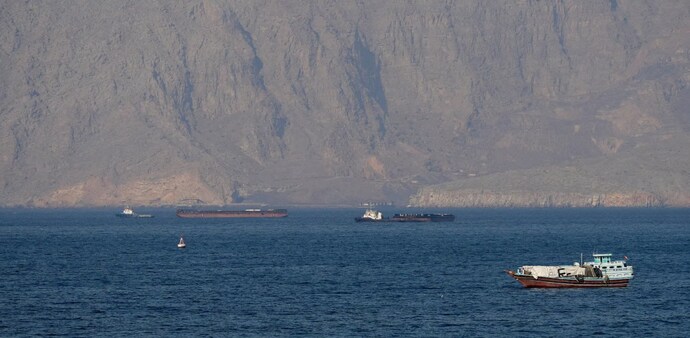
Birol's comments came as the White House stated that Iran continues talks with the United States and aims to reach a deal. The Strait of Hormuz, a narrow waterway between Iran and Oman that usually carries about one-fifth of the world's energy shipments, has been largely blocked since February 28 following US and Israeli strikes on Iran.
MUST READ | Avoid deploying Indian seafarers in Hormuz: Govt to shipping companies
Several factors have helped moderate the rise in energy prices despite sharp increases. These include China's stockpile of over 1 billion barrels of oil before the conflict, its oil conservation efforts through increased use of electric vehicles and public transport, and a coordinated release of up to 400 million barrels of oil by the IEA.
However, Birol noted that these measures cannot last indefinitely. He described the Iran conflict as the worst energy disruption in history and said higher oil and gas output from the United States has helped ease pressure. He added that while the US has increased production by 1 to 2 million barrels per day, it cannot increase output by 10 million barrels per day.
DON'T MISS | Are ships avoiding US military-guided transit assistance through Strait of Hormuz?
Birol highlighted that the oil and gas supply crisis has affected economies worldwide, especially in Asia, which depends heavily on energy from the Strait of Hormuz. Japan and South Korea have been impacted, but developing countries including Pakistan, Bangladesh and India have suffered the most.
He also pointed to potential health risks in developing countries, particularly for women, as many have turned to alternative cooking fuels like dung and wood. These fuels produce more hazardous emissions as petroleum products have become unaffordable.
Oil prices fell by about $20 a barrel following the coordinated IEA release in March. Birol said this move signalled to markets that the organisation, representing over 30 countries, could release reserves again if conditions worsen. He noted that the 400-million-barrel release was only 20% of the IEA's stocks, with 80% still available.
At the White House, spokesperson Karoline Leavitt said recent strikes were in response to Iran violating a memorandum of understanding with the US. She explained that Iran was not supposed to fire on commercial vessels moving through the Strait of Hormuz but had made the decision to do so. Leavitt added that the Strait of Hormuz remains open for ships not travelling to or from Iranian ports and that the US Navy is present to ensure safe passage.
If oil does not resume flowing through the Strait of Hormuz soon then the world will have an energy crisis in its hands, said International Energy Agency (IEA) Executive Director Fatih Birol.
Birol said at a Council on Foreign Relations event on Thursday, "Oil security is still a critical issue." "We should be worried, and I am worried, if the situation does not improve in the next few weeks,” said Birol.
Birol's comments came as the White House stated that Iran continues talks with the United States and aims to reach a deal. The Strait of Hormuz, a narrow waterway between Iran and Oman that usually carries about one-fifth of the world's energy shipments, has been largely blocked since February 28 following US and Israeli strikes on Iran.
MUST READ | Avoid deploying Indian seafarers in Hormuz: Govt to shipping companies
Several factors have helped moderate the rise in energy prices despite sharp increases. These include China's stockpile of over 1 billion barrels of oil before the conflict, its oil conservation efforts through increased use of electric vehicles and public transport, and a coordinated release of up to 400 million barrels of oil by the IEA.
However, Birol noted that these measures cannot last indefinitely. He described the Iran conflict as the worst energy disruption in history and said higher oil and gas output from the United States has helped ease pressure. He added that while the US has increased production by 1 to 2 million barrels per day, it cannot increase output by 10 million barrels per day.
DON'T MISS | Are ships avoiding US military-guided transit assistance through Strait of Hormuz?
Birol highlighted that the oil and gas supply crisis has affected economies worldwide, especially in Asia, which depends heavily on energy from the Strait of Hormuz. Japan and South Korea have been impacted, but developing countries including Pakistan, Bangladesh and India have suffered the most.
He also pointed to potential health risks in developing countries, particularly for women, as many have turned to alternative cooking fuels like dung and wood. These fuels produce more hazardous emissions as petroleum products have become unaffordable.
Oil prices fell by about $20 a barrel following the coordinated IEA release in March. Birol said this move signalled to markets that the organisation, representing over 30 countries, could release reserves again if conditions worsen. He noted that the 400-million-barrel release was only 20% of the IEA's stocks, with 80% still available.
At the White House, spokesperson Karoline Leavitt said recent strikes were in response to Iran violating a memorandum of understanding with the US. She explained that Iran was not supposed to fire on commercial vessels moving through the Strait of Hormuz but had made the decision to do so. Leavitt added that the Strait of Hormuz remains open for ships not travelling to or from Iranian ports and that the US Navy is present to ensure safe passage.