


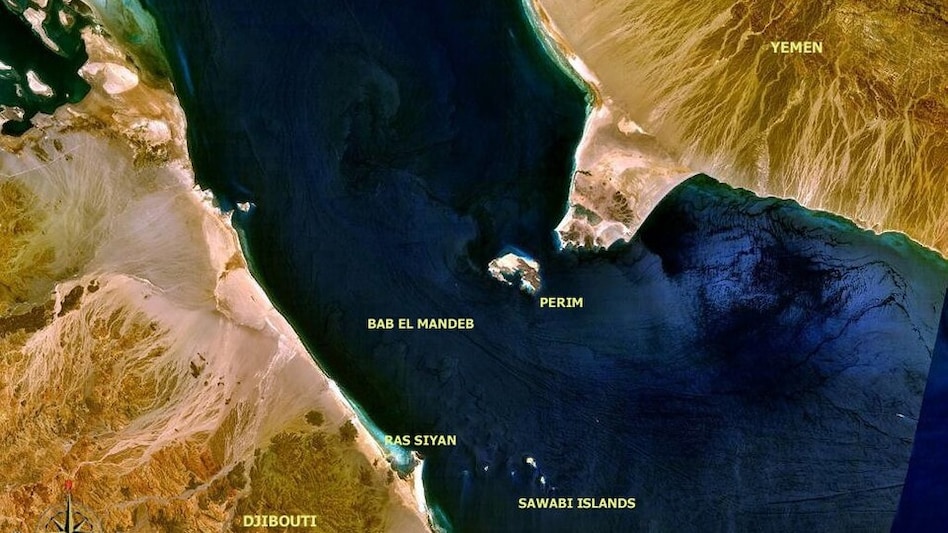
 After Hormuz, Iran sets eye on Bab el-Mandeb
After choking off shipping through the Strait of Hormuz, Iran is signalling it could open a second front by using its Houthi allies in Yemen to shut the Bab el-Mandeb gateway to the Red Sea, a move that would threaten another of the world's most important maritime energy routes and sharply escalate pressure on the United States.
Having already demonstrated its ability to disrupt shipping through Hormuz, Iran is now reportedly appearing to prepare to target Bab el-Mandeb, the narrow waterway linking the Red Sea to the Gulf of Aden through which Saudi oil exports and a substantial share of global shipping pass.

 China is both a model and a warning for India's chip ambitions: US professor on what New Delhi should do
 FPI outflows have nothing to do with their belief in India growth story: Neelkanth Mishra
 'Had 1 last fight left': Captain Smit Machchhar recalls cockpit attack on Flydubai flight
 GST Council likely to drop arrest powers to curb tax overreach: Report
 Flydubai hero: Israel PM invites Captain Smit Machchhar to light prestigious Independence Day flame
 Can You Sell Bonds Before Maturity? Liquidity, Exit & Penalties Explained
 Bonds Vs FDs: Are Bonds A Better Alternative For Higher Returns? Risks Explained
 Should You Buy Gold Now? Festive and Wedding Season Strategy Explained
 Direct Vs Regular Mutual Funds: Why the Right Advisor May Matter More Than 1% Cost
 Mira Kapoor On Dhun Wellness, Clinical Longevity And The Dhun Intelligence Method
 Nvidia shares approach record high as AI optimism revives investor demand
 Sebi receives 20,000 comments on proposed CAS changes; framework to follow soon
 Stock market sell-off: Nifty, Sensex log 8th straight weekly loss; key levels & top triggers now
 IPO boom: 69 Indian companies raise Rs 90,500 crore in Q3 despite stock market sell-off; what's next
 TCS, Infosys, HCL Tech, TechM, Wipro, LTM, Coforge, HEXT: Fresh target, Q2 previews for IT stocks
 Could the International Space Station win the 2026 Nobel Peace Prize? Experts think so
 BYD's Denza is coming to India with premium EVs: What buyers need to know
  'This side of Kota I had no idea existed': Anand Mahindra asks why Chambal Riverfront isn't better known
 Digital surge: China, India top 2026 social media rankings. Which platforms rule?
 Supreme Court to hear case over 135-year-old Central Secretariat Library amid Central Vista redevelopment












