
BT EXPLAINER: Can your AC catch fire or explode? What every family must check before summer peaks
As Delhi and much of India scorch through peak summer, overworked air conditioners are a growing fire risk that most families ignore.
- May 29, 2026,
- Updated May 29, 2026 1:27 PM IST
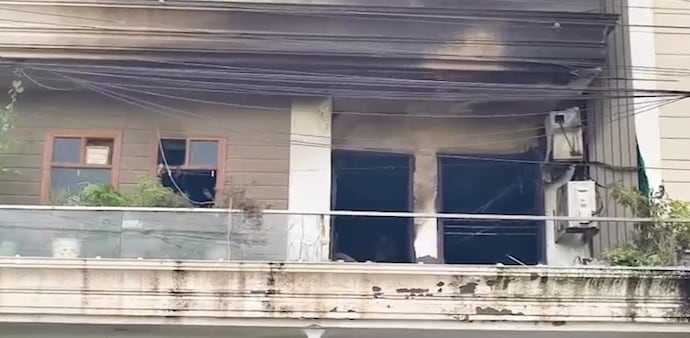
Can your air conditioner catch fire — or worse, explode? Most people would say no. But the death of Dhanender Kumar, the first chairman of the Competition Commission of India (CCI), in a suspected AC blast at his home in Hauz Khas proves otherwise.
The 80-year-old died due to smoke inhalation at AIIMS after the indoor unit of an AC triggered a fire late Wednesday night. As Delhi and much of India scorch through peak summer, overworked air conditioners are a growing fire risk that most families ignore. Here's the checklist that could save your life.
MUST READ | Portable AC vs Air cooler: Cooling, cost, electricity consumption- which one should you buy
Can your AC catch fire or explode?
Yes. Your air conditioner can catch fire and even explode. Such instances, though rare, typically happen due to severe electrical malfunctions, poor maintenance, or leaks of highly inflammable refrigerant gases.
Common reasons why an AC can catch fire or explode
- Wiring and electrical issues: Old, damaged or poorly installed wiring can cause short circuits and sparks.
- Capacitor failure: If the capacitor malfunctions or overheats, it can burst and catch fire. The capacitor helps start the compressor and fan motor.
- Overheating due to continuous usage: Running ACs continuously for long hours in peak summers forces compressors to work overtime, leading to overheating and potential explosions.
- Voltage fluctuations: Sudden spikes or drops in electricity supply can damage compressors as well as sensitive electrical parts, increasing the risks of an AC blast.
- Gas leaks: Leaks in refrigerant gas can create dangerous conditions, particularly if inflammable or substandard gases are used. If this happens near sparks, faulty wiring may ignite.
- Manufacturing defects or substandard parts: Faulty compressors, cheap materials, or low-quality components can malfunction under heavy loads in peak summer.
DON'T MISS | AC in a helmet? Delhi Traffic Police uses new heat gear to tackle brutal summer
Can poor maintenance also lead to AC fires and explosions?
Yes. Dust-clogged filters, dirty coils or blocked vents reduce airflow, causing the system to overheat and putting pressure on internal parts. Lack of regular servicing also leads to wear and tear, clogged drain lines, damaged wiring, and overheating problems to go unnoticed.
Apart from this, unsafe installation, incorrect handling during servicing, or switching on an AC during repairs can lead to dangerous accidents.
What should you watch out for?
You can prevent catastrophic failures by checking out for these signs:
- Burning or smoky smells: This is an indication of melting wires or internal overheating.
- Strange noises: Buzzing, clanking, grinding, or squealing are indicators of mechanical failure.
- Tripping circuit breakers: If running your AC causes the power to trip constantly, it implies that the unit is drawing too much current or has a short circuit.
- Spiking electricity bills: A massive spike in electricity bills indicates that the compressor of your AC is struggling and working overtime.
- Weak or warm airflow: Restricted airflow or poor cooling prompts the system to run constantly, leading to overheating.
How can you prevent AC fires or blasts?
- Get the AC serviced regularly by certified technicians instead of local vendors
- Clean or replace your AC filters regularly to avoid putting pressure on the internal components
- Avoid running the air conditioner non-stop for very long hours
- Ensure proper installation and wiring
- Do NOT use fake or unauthorised refrigerants
- Check for leaks and damaged wires periodically
A note of caution
Always go to a professional when it comes to getting your AC repaired. An AC repair professional does an AC repair diploma course, which equips you with the hands-on skills required to install, service, and troubleshoot HVAC/R systems.
Can your air conditioner catch fire — or worse, explode? Most people would say no. But the death of Dhanender Kumar, the first chairman of the Competition Commission of India (CCI), in a suspected AC blast at his home in Hauz Khas proves otherwise.
The 80-year-old died due to smoke inhalation at AIIMS after the indoor unit of an AC triggered a fire late Wednesday night. As Delhi and much of India scorch through peak summer, overworked air conditioners are a growing fire risk that most families ignore. Here's the checklist that could save your life.
MUST READ | Portable AC vs Air cooler: Cooling, cost, electricity consumption- which one should you buy
Can your AC catch fire or explode?
Yes. Your air conditioner can catch fire and even explode. Such instances, though rare, typically happen due to severe electrical malfunctions, poor maintenance, or leaks of highly inflammable refrigerant gases.
Common reasons why an AC can catch fire or explode
- Wiring and electrical issues: Old, damaged or poorly installed wiring can cause short circuits and sparks.
- Capacitor failure: If the capacitor malfunctions or overheats, it can burst and catch fire. The capacitor helps start the compressor and fan motor.
- Overheating due to continuous usage: Running ACs continuously for long hours in peak summers forces compressors to work overtime, leading to overheating and potential explosions.
- Voltage fluctuations: Sudden spikes or drops in electricity supply can damage compressors as well as sensitive electrical parts, increasing the risks of an AC blast.
- Gas leaks: Leaks in refrigerant gas can create dangerous conditions, particularly if inflammable or substandard gases are used. If this happens near sparks, faulty wiring may ignite.
- Manufacturing defects or substandard parts: Faulty compressors, cheap materials, or low-quality components can malfunction under heavy loads in peak summer.
DON'T MISS | AC in a helmet? Delhi Traffic Police uses new heat gear to tackle brutal summer
Can poor maintenance also lead to AC fires and explosions?
Yes. Dust-clogged filters, dirty coils or blocked vents reduce airflow, causing the system to overheat and putting pressure on internal parts. Lack of regular servicing also leads to wear and tear, clogged drain lines, damaged wiring, and overheating problems to go unnoticed.
Apart from this, unsafe installation, incorrect handling during servicing, or switching on an AC during repairs can lead to dangerous accidents.
What should you watch out for?
You can prevent catastrophic failures by checking out for these signs:
- Burning or smoky smells: This is an indication of melting wires or internal overheating.
- Strange noises: Buzzing, clanking, grinding, or squealing are indicators of mechanical failure.
- Tripping circuit breakers: If running your AC causes the power to trip constantly, it implies that the unit is drawing too much current or has a short circuit.
- Spiking electricity bills: A massive spike in electricity bills indicates that the compressor of your AC is struggling and working overtime.
- Weak or warm airflow: Restricted airflow or poor cooling prompts the system to run constantly, leading to overheating.
How can you prevent AC fires or blasts?
- Get the AC serviced regularly by certified technicians instead of local vendors
- Clean or replace your AC filters regularly to avoid putting pressure on the internal components
- Avoid running the air conditioner non-stop for very long hours
- Ensure proper installation and wiring
- Do NOT use fake or unauthorised refrigerants
- Check for leaks and damaged wires periodically
A note of caution
Always go to a professional when it comes to getting your AC repaired. An AC repair professional does an AC repair diploma course, which equips you with the hands-on skills required to install, service, and troubleshoot HVAC/R systems.