
Fewer crowds, slower days: Why Indian travellers are looking beyond bucket-list cities
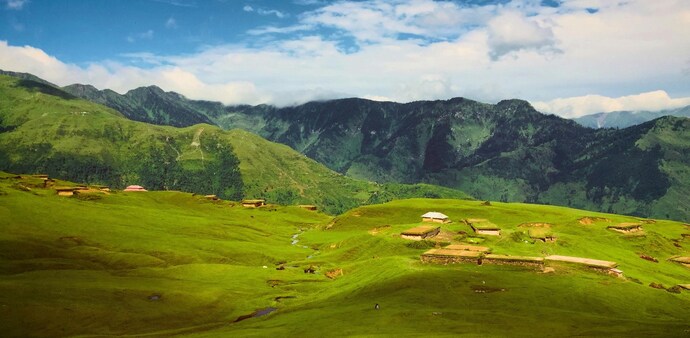
Indian holidaymakers are increasingly looking beyond crowded bucket-list locations, choosing mountain towns, lesser-known islands, cultural centres and quieter stretches of coastline instead
- Jun 25, 2026,
- Updated Jun 25, 2026 7:05 AM IST
The moment a destination takes over social media, its appeal can begin to fade for travellers seeking quiet, space and a sense of discovery.
Indian holidaymakers are increasingly looking beyond crowded bucket-list locations, choosing mountain towns, lesser-known islands, cultural centres and quieter stretches of coastline instead.
Skyscanner’s Smarter Summer Report found that 81% of Indian travellers were open to visiting lesser-known destinations, while 88% liked the idea of travelling somewhere that had not already filled their social-media feeds.
The same shift is visible within India. Agoda has recorded growing accommodation searches for Dharamshala, Rishikesh and Uttarkashi, reflecting demand for slower holidays away from urban noise and heavily visited tourist centres.
The trend is increasingly being described as “hushpitality,” travel shaped around quiet surroundings, fewer crowds, nature and an unhurried schedule.
ALSO READ: Railways rule change from July 1: Travelling without a ticket? How much fine you'll have to pay
Relaxation takes priority
Agoda’s 2026 Travel Outlook found that relaxation was the main reason for travelling among 67% of Indian respondents.
The findings suggest that many travellers are reconsidering what makes a holiday worthwhile. Instead of packed itineraries and instantly recognisable photo spots, they are seeking forest walks, meditation centres, local markets, seaside cafés and longer stretches of unplanned time.
“Indian travelers are increasingly looking for holidays that allow them to slow down and disconnect from the pace of everyday urban life. Destinations such as Dharamshala, Rishikesh and Uttarkashi are attracting interest because they offer a different kind of travel experience centered on time, space and simplicity. At Agoda, we aim to make these experiences more accessible by helping travelers find the right stay at the right price,” said Gaurav Malik, Country Director, Indian Subcontinent & Indian Ocean Islands, Agoda.
Dharamshala leads India’s quiet-travel shift
Dharamshala recorded a 154% year-on-year increase in accommodation searches, the sharpest rise among the three Himalayan destinations highlighted by Agoda.
The Himachal Pradesh town combines Tibetan Buddhist culture, meditation centres and forest trails, making it attractive to travellers seeking both nature and reflective experiences.
Rishikesh recorded a 65% increase in searches. Situated along the Ganga, the Uttarakhand town is known for yoga, ashrams and wellness retreats, offering an alternative to a conventional sightseeing holiday.
Domestic travellers led searches for both destinations, although interest also came from countries including the United States, Japan, Singapore, Australia, Thailand and the UAE.
Uttarkashi registered a 17% year-on-year increase. Its appeal lies in its proximity to mountain terrain and the opportunity for a less mediated Himalayan experience. International searches came from markets including South Korea, Indonesia, Malaysia, Taiwan and Nepal.
DON'T MISS: Heading to Ladakh? Bihar govt may reimburse up to ₹20,000 of your travel costs
Kilimanjaro beyond the summit
For Indian travellers looking overseas, Kilimanjaro offers more than its famous climb.
The region surrounding the Tanzanian mountain includes rainforest trails, coffee farms and local camps beneath open night skies. It allows visitors to combine outdoor activity with slower cultural experiences without making the summit the only focus of the trip.
Indicative one-way fares cited by Skyscanner started at ₹38,556 from Mumbai, ₹44,959 from Bengaluru and ₹45,246 from Delhi.
Luang Prabang’s slower rhythm
Luang Prabang in Laos offers a quieter alternative to Southeast Asia’s busier urban and beach destinations.
Its mornings are associated with Tak Bat, the traditional alms-giving ceremony, while evenings centre on night markets, riverside cafés and walks beside the Mekong River.
Buddhist heritage, French colonial architecture and a relatively unhurried atmosphere make the city suited to travellers who prefer cultural immersion over tightly scheduled sightseeing.
Indicative fares started at ₹23,253 from Delhi, ₹27,103 from Bengaluru and ₹28,974 from Mumbai.
Rayong offers a quieter Thai coast
Thailand remains a popular international destination for Indians, but some travellers are looking beyond its best-known beach towns.
Rayong offers seafood markets, coastal drives, fruit markets, uncrowded beaches and access to nearby islands. Its slower pace makes it an option for those seeking a beach holiday outside the country’s established party circuits.
Indicative fares began at ₹25,801 from Bengaluru, ₹26,410 from Delhi and ₹31,268 from Mumbai.
Siem Reap beyond Angkor Wat
Angkor Wat remains Siem Reap’s biggest attraction, but the Cambodian city also offers experiences beyond its temple complex.
Creative cafés, boutique galleries, night markets and performances such as the Phare Circus have given the destination a broader cultural identity.
For travellers who want to combine major landmarks with local art, food and nightlife, Siem Reap can provide a more varied trip than a temple-only itinerary.
Indicative fares started at ₹17,531 from Delhi, ₹17,761 from Mumbai and ₹19,179 from Bengaluru.
Jeju swaps city crowds for coastal trails
Jeju presents a nature-led alternative to South Korea’s major cities.
Visitors can explore volcanic landscapes, walk coastal trails, browse traditional markets and spend time in seaside cafés. Popular experiences include sunrise hikes at Seongsan Ilchulbong and drives along the island’s coastline.
Since many attractions are spread across the island, the destination is best suited to travellers comfortable with a flexible, self-directed itinerary.
Indicative fares began at ₹29,717 from Mumbai, ₹30,189 from Delhi and ₹36,767 from Bengaluru.
Travel before the crowds arrive
The growing interest in these destinations does not mean familiar tourist centres are losing their appeal. It points instead to travellers widening their options and placing greater value on space, flexibility and local experiences.
A forest trail outside Dharamshala, a riverside evening in Luang Prabang or an uncrowded beach in Rayong may not carry the instant recognition of a viral landmark. That, increasingly, is part of the attraction.
For travellers exhausted by queues, overplanned itineraries and social-media sameness, the most desirable destination may now be one that still feels undiscovered.
The moment a destination takes over social media, its appeal can begin to fade for travellers seeking quiet, space and a sense of discovery.
Indian holidaymakers are increasingly looking beyond crowded bucket-list locations, choosing mountain towns, lesser-known islands, cultural centres and quieter stretches of coastline instead.
Skyscanner’s Smarter Summer Report found that 81% of Indian travellers were open to visiting lesser-known destinations, while 88% liked the idea of travelling somewhere that had not already filled their social-media feeds.
The same shift is visible within India. Agoda has recorded growing accommodation searches for Dharamshala, Rishikesh and Uttarkashi, reflecting demand for slower holidays away from urban noise and heavily visited tourist centres.
The trend is increasingly being described as “hushpitality,” travel shaped around quiet surroundings, fewer crowds, nature and an unhurried schedule.
ALSO READ: Railways rule change from July 1: Travelling without a ticket? How much fine you'll have to pay
Relaxation takes priority
Agoda’s 2026 Travel Outlook found that relaxation was the main reason for travelling among 67% of Indian respondents.
The findings suggest that many travellers are reconsidering what makes a holiday worthwhile. Instead of packed itineraries and instantly recognisable photo spots, they are seeking forest walks, meditation centres, local markets, seaside cafés and longer stretches of unplanned time.
“Indian travelers are increasingly looking for holidays that allow them to slow down and disconnect from the pace of everyday urban life. Destinations such as Dharamshala, Rishikesh and Uttarkashi are attracting interest because they offer a different kind of travel experience centered on time, space and simplicity. At Agoda, we aim to make these experiences more accessible by helping travelers find the right stay at the right price,” said Gaurav Malik, Country Director, Indian Subcontinent & Indian Ocean Islands, Agoda.
Dharamshala leads India’s quiet-travel shift
Dharamshala recorded a 154% year-on-year increase in accommodation searches, the sharpest rise among the three Himalayan destinations highlighted by Agoda.
The Himachal Pradesh town combines Tibetan Buddhist culture, meditation centres and forest trails, making it attractive to travellers seeking both nature and reflective experiences.
Rishikesh recorded a 65% increase in searches. Situated along the Ganga, the Uttarakhand town is known for yoga, ashrams and wellness retreats, offering an alternative to a conventional sightseeing holiday.
Domestic travellers led searches for both destinations, although interest also came from countries including the United States, Japan, Singapore, Australia, Thailand and the UAE.
Uttarkashi registered a 17% year-on-year increase. Its appeal lies in its proximity to mountain terrain and the opportunity for a less mediated Himalayan experience. International searches came from markets including South Korea, Indonesia, Malaysia, Taiwan and Nepal.
DON'T MISS: Heading to Ladakh? Bihar govt may reimburse up to ₹20,000 of your travel costs
Kilimanjaro beyond the summit
For Indian travellers looking overseas, Kilimanjaro offers more than its famous climb.
The region surrounding the Tanzanian mountain includes rainforest trails, coffee farms and local camps beneath open night skies. It allows visitors to combine outdoor activity with slower cultural experiences without making the summit the only focus of the trip.
Indicative one-way fares cited by Skyscanner started at ₹38,556 from Mumbai, ₹44,959 from Bengaluru and ₹45,246 from Delhi.
Luang Prabang’s slower rhythm
Luang Prabang in Laos offers a quieter alternative to Southeast Asia’s busier urban and beach destinations.
Its mornings are associated with Tak Bat, the traditional alms-giving ceremony, while evenings centre on night markets, riverside cafés and walks beside the Mekong River.
Buddhist heritage, French colonial architecture and a relatively unhurried atmosphere make the city suited to travellers who prefer cultural immersion over tightly scheduled sightseeing.
Indicative fares started at ₹23,253 from Delhi, ₹27,103 from Bengaluru and ₹28,974 from Mumbai.
Rayong offers a quieter Thai coast
Thailand remains a popular international destination for Indians, but some travellers are looking beyond its best-known beach towns.
Rayong offers seafood markets, coastal drives, fruit markets, uncrowded beaches and access to nearby islands. Its slower pace makes it an option for those seeking a beach holiday outside the country’s established party circuits.
Indicative fares began at ₹25,801 from Bengaluru, ₹26,410 from Delhi and ₹31,268 from Mumbai.
Siem Reap beyond Angkor Wat
Angkor Wat remains Siem Reap’s biggest attraction, but the Cambodian city also offers experiences beyond its temple complex.
Creative cafés, boutique galleries, night markets and performances such as the Phare Circus have given the destination a broader cultural identity.
For travellers who want to combine major landmarks with local art, food and nightlife, Siem Reap can provide a more varied trip than a temple-only itinerary.
Indicative fares started at ₹17,531 from Delhi, ₹17,761 from Mumbai and ₹19,179 from Bengaluru.
Jeju swaps city crowds for coastal trails
Jeju presents a nature-led alternative to South Korea’s major cities.
Visitors can explore volcanic landscapes, walk coastal trails, browse traditional markets and spend time in seaside cafés. Popular experiences include sunrise hikes at Seongsan Ilchulbong and drives along the island’s coastline.
Since many attractions are spread across the island, the destination is best suited to travellers comfortable with a flexible, self-directed itinerary.
Indicative fares began at ₹29,717 from Mumbai, ₹30,189 from Delhi and ₹36,767 from Bengaluru.
Travel before the crowds arrive
The growing interest in these destinations does not mean familiar tourist centres are losing their appeal. It points instead to travellers widening their options and placing greater value on space, flexibility and local experiences.
A forest trail outside Dharamshala, a riverside evening in Luang Prabang or an uncrowded beach in Rayong may not carry the instant recognition of a viral landmark. That, increasingly, is part of the attraction.
For travellers exhausted by queues, overplanned itineraries and social-media sameness, the most desirable destination may now be one that still feels undiscovered.