
Inside Apple’s Siri Crisis: Delayed promises, leadership shakeup, and more
From ambitious AI plans to delayed rollouts, Apple's Siri upgrade has faced a turbulent road. Here's how the virtual assistant evolved through years of challenges, setbacks, and turning points.
- Jun 8, 2026,
- Updated Jun 8, 2026 11:19 AM IST
On June 8, Apple is expected to bring major upgrades to Siri after a decade of its debut. A new Siri that has reportedly been built from scratch for the AI era. However, the road was not quite easy, from ambitious promises and missed deadlines to delayed AI features, Siri is yet to become the modern digital assistant.
In addition, the growing competition from AI rivals such as ChatGPT and Gemini, we have greater expectations for the next generation Siri. Here's a look at the challenges, setbacks, and milestones that shaped its evolution.
Must read: Apple WWDC 2026: How to watch live, expected announcements, and more
Siri’s decade-long journey
Apple introduced Siri with the iPhone 4S on October 14, 2011, touted as the first AI voice assistant on a smartphone. Between 2012 and 2014, Apple expanded Siri from iPhone to iPad with iOS 6. In addition, the company introduced additional capabilities such as sports scores, restaurant reservations, movie listings, FaceTime calls, and more.
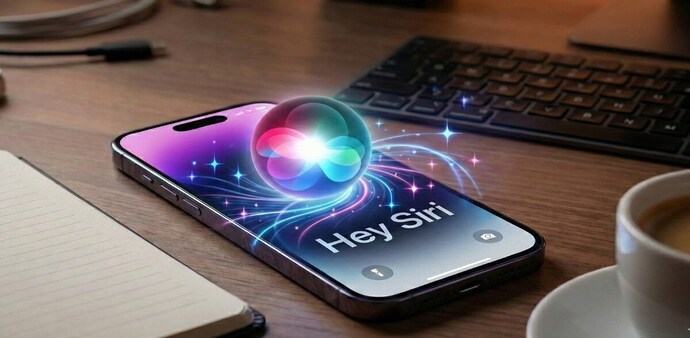
In 2014, iOS 8 introduced "Hey Siri,” the always-on hands-free trigger that allowed users to activate Siri without pressing a button, and we still use the prompt to activate the voice assistant. Later, it started offering suggestions based on your habits, location, and calendar.
With iOS 10 in 2016, Apple opened Siri to third-party apps like WhatsApp, Uber, and payment apps. Later in the year, Siri made its debut on Mac with macOS Sierra, and the hardware expansion continued with HomePod and received machine learning upgrades to improve voice naturalness.
Must read: Apple may finally bring this awaited multitasking feature to iPhone with iOS 27
Siri 2.0 delay
Between 2022 and 2024, Apple fast-tracked its generative AI efforts as Siri was behind the race amid OpenAI’s ChatGPT, which instantly started to get popular. Later, Google and Anthropic also joined the AI race with their own advanced AI models, further intensifying competition and increasing pressure on Apple to modernise Siri.
At WWDC 2024, Apple announced Apple Intelligence and the overhauled Siri that can understand context across apps. However, several promised features, including the deeper app integration and the ability to take actions across apps, were delayed past the initial iOS 18 launch and into subsequent updates.
According to a recent Bloomberg report, Apple reportedly conducted a high-stakes internal meeting in early 2025 after the failure of Siri’s AI upgrade. It was highlighted that Apple CEO Tim Cook has "lost confidence" in artificial intelligence chief John Giannandrea, and his ability to "execute on product development."
Must read: Apple teases WWDC 2026 event with 'All Systems Glow' tagline; Hints at major Siri upgrades
Now, the report highlights that Apple’s Vision Pro chief Mike Rockwell has been appointed as the new head for revamped Siri, and the employees will likely be informed this week. Whereas, Vision Pro hardware engineer Paul Meade will be taking Rockwell's responsibilities.
In 2026, Siri stops playing catch-up?
At WWDC 2026, on June 8, Apple is expected to finally catch up to the delayed promises, bringing AI-enabled Siri with Google’s Gemini AI integration. The company is also expected to preview a dedicated Siri app with a chatbot-like interface where users can ask queries, check conversation history, and much more. However, the official rollout of these features may not be expected until September 2026.
For Unparalleled coverage of India's Businesses and Economy – Subscribe to Business Today Magazine
On June 8, Apple is expected to bring major upgrades to Siri after a decade of its debut. A new Siri that has reportedly been built from scratch for the AI era. However, the road was not quite easy, from ambitious promises and missed deadlines to delayed AI features, Siri is yet to become the modern digital assistant.
In addition, the growing competition from AI rivals such as ChatGPT and Gemini, we have greater expectations for the next generation Siri. Here's a look at the challenges, setbacks, and milestones that shaped its evolution.
Must read: Apple WWDC 2026: How to watch live, expected announcements, and more
Siri’s decade-long journey
Apple introduced Siri with the iPhone 4S on October 14, 2011, touted as the first AI voice assistant on a smartphone. Between 2012 and 2014, Apple expanded Siri from iPhone to iPad with iOS 6. In addition, the company introduced additional capabilities such as sports scores, restaurant reservations, movie listings, FaceTime calls, and more.
In 2014, iOS 8 introduced "Hey Siri,” the always-on hands-free trigger that allowed users to activate Siri without pressing a button, and we still use the prompt to activate the voice assistant. Later, it started offering suggestions based on your habits, location, and calendar.
With iOS 10 in 2016, Apple opened Siri to third-party apps like WhatsApp, Uber, and payment apps. Later in the year, Siri made its debut on Mac with macOS Sierra, and the hardware expansion continued with HomePod and received machine learning upgrades to improve voice naturalness.
Must read: Apple may finally bring this awaited multitasking feature to iPhone with iOS 27
Siri 2.0 delay
Between 2022 and 2024, Apple fast-tracked its generative AI efforts as Siri was behind the race amid OpenAI’s ChatGPT, which instantly started to get popular. Later, Google and Anthropic also joined the AI race with their own advanced AI models, further intensifying competition and increasing pressure on Apple to modernise Siri.
At WWDC 2024, Apple announced Apple Intelligence and the overhauled Siri that can understand context across apps. However, several promised features, including the deeper app integration and the ability to take actions across apps, were delayed past the initial iOS 18 launch and into subsequent updates.
According to a recent Bloomberg report, Apple reportedly conducted a high-stakes internal meeting in early 2025 after the failure of Siri’s AI upgrade. It was highlighted that Apple CEO Tim Cook has "lost confidence" in artificial intelligence chief John Giannandrea, and his ability to "execute on product development."
Must read: Apple teases WWDC 2026 event with 'All Systems Glow' tagline; Hints at major Siri upgrades
Now, the report highlights that Apple’s Vision Pro chief Mike Rockwell has been appointed as the new head for revamped Siri, and the employees will likely be informed this week. Whereas, Vision Pro hardware engineer Paul Meade will be taking Rockwell's responsibilities.
In 2026, Siri stops playing catch-up?
At WWDC 2026, on June 8, Apple is expected to finally catch up to the delayed promises, bringing AI-enabled Siri with Google’s Gemini AI integration. The company is also expected to preview a dedicated Siri app with a chatbot-like interface where users can ask queries, check conversation history, and much more. However, the official rollout of these features may not be expected until September 2026.
For Unparalleled coverage of India's Businesses and Economy – Subscribe to Business Today Magazine