
Memory crunch, supply shocks set stage for smartphone, laptop price hikes in India
Memory crunch, supply shocks set stage for smartphone, laptop price hikes in India
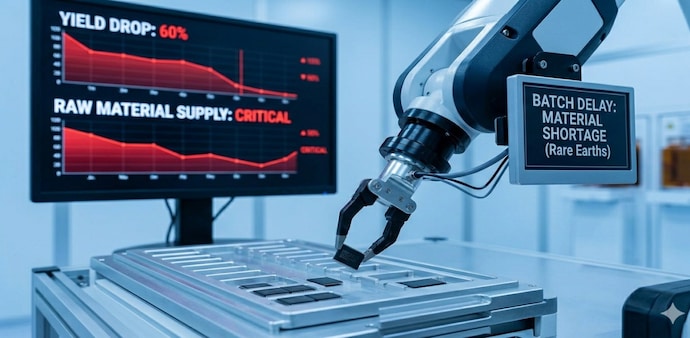
Smartphones and laptops are particularly vulnerable to price hikes due to their dependence on imported semiconductors, memory chips, display panels and batteries, all of which are being affected by ongoing supply-chain disruptions.
Aishwarya Panda
- Jun 1, 2026,
- Updated Jun 1, 2026 2:31 PM IST
India's consumer electronics market is heading into another period of price inflation, with smartphones and laptops expected to become costlier as rising memory prices, supply-chain disruptions and geopolitical tensions increase pressure on manufacturers.
Industry analysts say growing demand for artificial intelligence infrastructure is creating shortages in key memory components such as DRAM and NAND flash, driving up costs for device makers that remain heavily dependent on imported components.
Advertisement
Among consumer electronics categories, smartphones and laptops are expected to bear the biggest impact.
“Rising DRAM and NAND memory prices, along with increasing display costs, are already pushing up the bill of materials for smartphones and PCs, making it difficult for OEMs to maintain aggressive pricing across segments," said Prachir Singh, Senior Research Analyst at Counterpoint Research, told Business Today.
Must read: Croma 'Everything Apple' sale: Get MacBook Air M5, iPhone 17, and others at huge discounts
According to Singh, smartphones and laptops are particularly vulnerable because of their dependence on imported semiconductors, memory chips, display panels and batteries, all of which are being affected by ongoing supply-chain disruptions.
Abhilash Kumar, Lead Research Advisor (Director) at Smart Analytics Global, said the impact will vary depending on product positioning and profitability.
Advertisement
“Price hikes will be disproportionate across entry-level smartphones and laptops,” Kumar told Business Today, adding that the extent of increases will depend on factors such as “RAM size, retail price, and margins."
Budget, mid-range devices under pressure
Counterpoint's smartphone price tracker shows that the Rs 10,000- Rs 20,000 segment has been the hardest hit in recent months.
Between March and April 2026, more than 50 smartphone models in the category saw price increases ranging from 3% to 28%, translating into hikes of roughly Rs 500 to Rs 4,000 per device. Brands affected include OPPO, Samsung, realme and POCO.
The Rs 20,000- Rs 30,000 segment was the second-most affected, with more than 40 models witnessing price increases of 3% to 19%, or approximately Rs 1,000 to Rs 4,000 per device. Models from realme, vivo, OPPO and Xiaomi were among those impacted.
Advertisement
Must read: Microsoft and NVIDIA partner to bring personal AI agents to Windows PCs with RTX Spark
Even the budget segment below Rs 10,000 recorded price increases of 6% to 25%.
The pressure is not limited to smartphones.
Laptop prices across major brands such as Dell, HP and Lenovo have reportedly increased by 15% to 30% this year as manufacturers grapple with rising component costs.
DRAM prices have nearly doubled over the past year, while further increases are expected in the coming quarters, adding to the cost burden for PC makers.
“Laptops are likely to witness relatively sharper price increases compared to smartphones because of their higher average selling prices (ASPs) and larger average memory configurations, which amplify the impact of rising DRAM and NAND costs on the overall BoM,” Singh said.
Premium segment is relatively insulated
While premium devices have not been immune to rising costs, analysts believe they are better positioned to absorb pricing pressure.
Smartphones priced above Rs 30,000 have seen increases ranging from Rs 1,000 to Rs 5,000 across brands including Samsung, OPPO, realme and vivo.
Advertisement
“Premium devices are likely to be less impacted because OEMs have better margin cushions and buyers in this segment are relatively less sensitive to moderate price increases,” Kumar said.
Global brands have so far attempted to shield consumers from the full impact of rising costs, but that strategy may become increasingly difficult to sustain.
Must read: Why chip fabs can’t afford to stop: The hidden cost of a single disruption
“Most global brands, such as Apple, have so far absorbed a large part of the increase in component and logistics costs to avoid impacting consumer demand, but maintaining this approach will become more challenging going forward,” Singh said.
Demand slowdown emerges as bigger risk
Beyond higher prices, analysts warn that manufacturers and retailers are entering a period of heightened uncertainty.
India's electronics industry remains heavily reliant on imported components, making it vulnerable to global supply-chain disruptions and geopolitical instability. As a result, companies are managing inventory more cautiously, potentially reducing discounts and slowing product refresh cycles.
Retailers, however, appear more concerned about weakening demand than outright supply shortages.
“Retailers are expecting demand slowdown more than supply shortages because consumers may delay purchases due to higher prices,” Kumar said. “At the same time, OEMs are also likely to remain cautious with shipments to avoid inventory overload.”
Advertisement
With memory prices expected to remain elevated and supply-chain challenges showing few signs of easing, analysts believe the coming quarters could remain difficult for India's consumer electronics market, with consumers ultimately facing higher prices across multiple product categories.
For Unparalleled coverage of India's Businesses and Economy – Subscribe to Business Today Magazine
India's consumer electronics market is heading into another period of price inflation, with smartphones and laptops expected to become costlier as rising memory prices, supply-chain disruptions and geopolitical tensions increase pressure on manufacturers.
Industry analysts say growing demand for artificial intelligence infrastructure is creating shortages in key memory components such as DRAM and NAND flash, driving up costs for device makers that remain heavily dependent on imported components.
Advertisement
Among consumer electronics categories, smartphones and laptops are expected to bear the biggest impact.
“Rising DRAM and NAND memory prices, along with increasing display costs, are already pushing up the bill of materials for smartphones and PCs, making it difficult for OEMs to maintain aggressive pricing across segments," said Prachir Singh, Senior Research Analyst at Counterpoint Research, told Business Today.
Must read: Croma 'Everything Apple' sale: Get MacBook Air M5, iPhone 17, and others at huge discounts
According to Singh, smartphones and laptops are particularly vulnerable because of their dependence on imported semiconductors, memory chips, display panels and batteries, all of which are being affected by ongoing supply-chain disruptions.
Abhilash Kumar, Lead Research Advisor (Director) at Smart Analytics Global, said the impact will vary depending on product positioning and profitability.
Advertisement
“Price hikes will be disproportionate across entry-level smartphones and laptops,” Kumar told Business Today, adding that the extent of increases will depend on factors such as “RAM size, retail price, and margins."
Budget, mid-range devices under pressure
Counterpoint's smartphone price tracker shows that the Rs 10,000- Rs 20,000 segment has been the hardest hit in recent months.
Between March and April 2026, more than 50 smartphone models in the category saw price increases ranging from 3% to 28%, translating into hikes of roughly Rs 500 to Rs 4,000 per device. Brands affected include OPPO, Samsung, realme and POCO.
The Rs 20,000- Rs 30,000 segment was the second-most affected, with more than 40 models witnessing price increases of 3% to 19%, or approximately Rs 1,000 to Rs 4,000 per device. Models from realme, vivo, OPPO and Xiaomi were among those impacted.
Advertisement
Must read: Microsoft and NVIDIA partner to bring personal AI agents to Windows PCs with RTX Spark
Even the budget segment below Rs 10,000 recorded price increases of 6% to 25%.
The pressure is not limited to smartphones.
Laptop prices across major brands such as Dell, HP and Lenovo have reportedly increased by 15% to 30% this year as manufacturers grapple with rising component costs.
DRAM prices have nearly doubled over the past year, while further increases are expected in the coming quarters, adding to the cost burden for PC makers.
“Laptops are likely to witness relatively sharper price increases compared to smartphones because of their higher average selling prices (ASPs) and larger average memory configurations, which amplify the impact of rising DRAM and NAND costs on the overall BoM,” Singh said.
Premium segment is relatively insulated
While premium devices have not been immune to rising costs, analysts believe they are better positioned to absorb pricing pressure.
Smartphones priced above Rs 30,000 have seen increases ranging from Rs 1,000 to Rs 5,000 across brands including Samsung, OPPO, realme and vivo.
Advertisement
“Premium devices are likely to be less impacted because OEMs have better margin cushions and buyers in this segment are relatively less sensitive to moderate price increases,” Kumar said.
Global brands have so far attempted to shield consumers from the full impact of rising costs, but that strategy may become increasingly difficult to sustain.
Must read: Why chip fabs can’t afford to stop: The hidden cost of a single disruption
“Most global brands, such as Apple, have so far absorbed a large part of the increase in component and logistics costs to avoid impacting consumer demand, but maintaining this approach will become more challenging going forward,” Singh said.
Demand slowdown emerges as bigger risk
Beyond higher prices, analysts warn that manufacturers and retailers are entering a period of heightened uncertainty.
India's electronics industry remains heavily reliant on imported components, making it vulnerable to global supply-chain disruptions and geopolitical instability. As a result, companies are managing inventory more cautiously, potentially reducing discounts and slowing product refresh cycles.
Retailers, however, appear more concerned about weakening demand than outright supply shortages.
“Retailers are expecting demand slowdown more than supply shortages because consumers may delay purchases due to higher prices,” Kumar said. “At the same time, OEMs are also likely to remain cautious with shipments to avoid inventory overload.”
Advertisement
With memory prices expected to remain elevated and supply-chain challenges showing few signs of easing, analysts believe the coming quarters could remain difficult for India's consumer electronics market, with consumers ultimately facing higher prices across multiple product categories.
For Unparalleled coverage of India's Businesses and Economy – Subscribe to Business Today Magazine
Read more!