
‘Who pays?’ Bill Ackman raises red flags over $300 billion Iran rebuilding package
“Money is fungible,” Ackman argued, suggesting that external financing could ultimately enable Tehran to prioritise strategic programs once basic reconstruction costs are covered by foreign assistance.
- Jun 21, 2026,
- Updated Jun 21, 2026 9:52 PM IST
As discussions around a potential US-Iran peace agreement gather attention, one aspect of the reported framework is already drawing sharp criticism from prominent voices in the financial world: a proposed $300 billion reconstruction package for Iran.
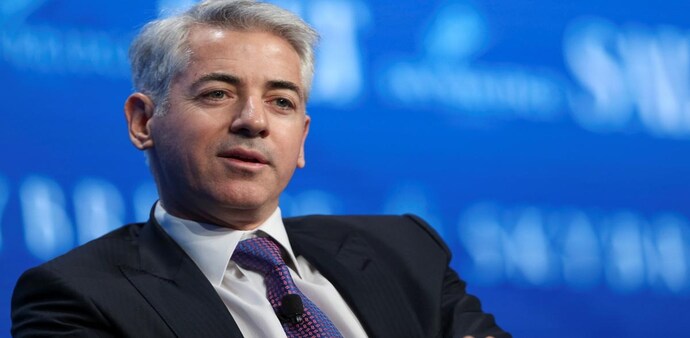
Among the skeptics is billionaire investor Bill Ackman, founder and CEO of Pershing Square Capital Management, who publicly questioned the feasibility and rationale behind such a massive reconstruction effort.
In a post on X (formally twitter), Ackman asked who would realistically be willing to fund Iran's rebuilding efforts after years of regional tensions and recent military confrontations.
MUST READ | ‘We’ll hit harder’: Trump warns Iran over its Lebanon 'proxies' as peace talks resume
“I don’t understand who is going to invest in a $300 billion reconstruction fund for Iran,” Ackman wrote, adding that the United States is unlikely to contribute and questioning why Gulf nations or other regional players would be willing to finance a country that had recently been involved in attacks against them.
Concerns over military rebuilding
The reported reconstruction package has emerged as one of the most debated elements surrounding the possibility of a broader diplomatic settlement between Washington and Tehran.
Reconstruction funds are typically intended to restore damaged infrastructure, revive economic activity, and stabilise regions emerging from conflict. However, Ackman argued that Iran presents a unique challenge because much of the recent military action targeted strategic and military facilities rather than civilian infrastructure.
DON'T MISS | Hormuz closed again: Iran cites US-Israel ceasefire violations. Will crude price spike?
“Most of the damage inflicted on Iran was directed to military targets. Why would anyone want to help Iran rebuild its military capabilities?” he wrote.
His comments reflect a broader concern among critics who fear that reconstruction aid could indirectly strengthen Iran's military position even if the money is earmarked for civilian purposes.
The fungibility problem
A central theme of Ackman's criticism is the concept of fungibility — the idea that money allocated for one purpose can free up domestic resources for another.
According to Ackman, even if international funds were strictly limited to humanitarian projects such as power grids, transportation networks, hospitals, or water systems, the Iranian government could redirect its own resources toward rebuilding military infrastructure, ballistic missile programs, or nuclear-related capabilities.
DO CHECKOUT | Iran is the biggest winner from US truce push: Jefferies report
“Money is fungible,” Ackman argued, suggesting that external financing could ultimately enable Tehran to prioritise strategic programs once basic reconstruction costs are covered by foreign assistance.
The concern has long been a sticking point in international negotiations involving sanctioned states, where donor countries seek assurances that aid will not indirectly support military or nuclear ambitions.
A tough Sell for Gulf states
Ackman's remarks also highlight the geopolitical hurdles facing any reconstruction initiative.
Countries such as Qatar, Saudi Arabia, and the United Arab Emirates have, at various times, played mediating roles in regional diplomacy. Yet convincing regional governments to commit billions of dollars to Iran's recovery could prove politically difficult, particularly if they view Tehran as a long-term strategic rival.
IN CASE YOU MISSED IT | ‘RETURNS’: Former Army officer reminds US what it gets from billions sent to Israel
While some analysts argue that economic stabilization could reduce regional tensions and create incentives for peace, opponents contend that such investments carry significant political and security risks.
As discussions around a potential US-Iran peace agreement gather attention, one aspect of the reported framework is already drawing sharp criticism from prominent voices in the financial world: a proposed $300 billion reconstruction package for Iran.
Among the skeptics is billionaire investor Bill Ackman, founder and CEO of Pershing Square Capital Management, who publicly questioned the feasibility and rationale behind such a massive reconstruction effort.
In a post on X (formally twitter), Ackman asked who would realistically be willing to fund Iran's rebuilding efforts after years of regional tensions and recent military confrontations.
MUST READ | ‘We’ll hit harder’: Trump warns Iran over its Lebanon 'proxies' as peace talks resume
“I don’t understand who is going to invest in a $300 billion reconstruction fund for Iran,” Ackman wrote, adding that the United States is unlikely to contribute and questioning why Gulf nations or other regional players would be willing to finance a country that had recently been involved in attacks against them.
Concerns over military rebuilding
The reported reconstruction package has emerged as one of the most debated elements surrounding the possibility of a broader diplomatic settlement between Washington and Tehran.
Reconstruction funds are typically intended to restore damaged infrastructure, revive economic activity, and stabilise regions emerging from conflict. However, Ackman argued that Iran presents a unique challenge because much of the recent military action targeted strategic and military facilities rather than civilian infrastructure.
DON'T MISS | Hormuz closed again: Iran cites US-Israel ceasefire violations. Will crude price spike?
“Most of the damage inflicted on Iran was directed to military targets. Why would anyone want to help Iran rebuild its military capabilities?” he wrote.
His comments reflect a broader concern among critics who fear that reconstruction aid could indirectly strengthen Iran's military position even if the money is earmarked for civilian purposes.
The fungibility problem
A central theme of Ackman's criticism is the concept of fungibility — the idea that money allocated for one purpose can free up domestic resources for another.
According to Ackman, even if international funds were strictly limited to humanitarian projects such as power grids, transportation networks, hospitals, or water systems, the Iranian government could redirect its own resources toward rebuilding military infrastructure, ballistic missile programs, or nuclear-related capabilities.
DO CHECKOUT | Iran is the biggest winner from US truce push: Jefferies report
“Money is fungible,” Ackman argued, suggesting that external financing could ultimately enable Tehran to prioritise strategic programs once basic reconstruction costs are covered by foreign assistance.
The concern has long been a sticking point in international negotiations involving sanctioned states, where donor countries seek assurances that aid will not indirectly support military or nuclear ambitions.
A tough Sell for Gulf states
Ackman's remarks also highlight the geopolitical hurdles facing any reconstruction initiative.
Countries such as Qatar, Saudi Arabia, and the United Arab Emirates have, at various times, played mediating roles in regional diplomacy. Yet convincing regional governments to commit billions of dollars to Iran's recovery could prove politically difficult, particularly if they view Tehran as a long-term strategic rival.
IN CASE YOU MISSED IT | ‘RETURNS’: Former Army officer reminds US what it gets from billions sent to Israel
While some analysts argue that economic stabilization could reduce regional tensions and create incentives for peace, opponents contend that such investments carry significant political and security risks.