

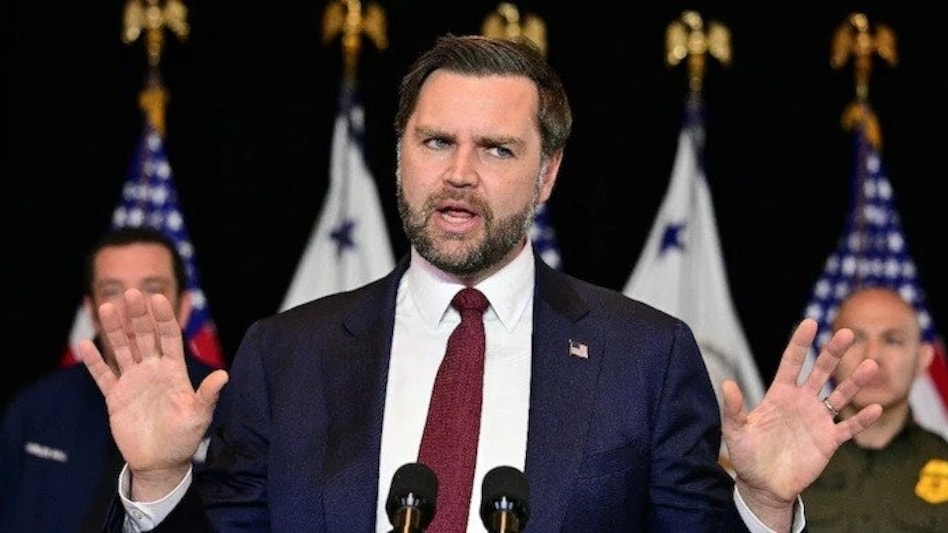
 The friction began when Vance publicly reminded Israeli critics attacking a US-brokered deal with Iran that American taxpayers heavily subsidise Israel's defense.
A sharp warning from US Vice President JD Vance has ignited a fierce criticism over American military assistance to Israel, drawing a forceful counterargument from a leading US military analyst who contends that Washington receives far more than it gives.
The friction began when Vance publicly reminded Israeli critics attacking a US-brokered deal with Iran that American taxpayers heavily subsidise Israel's defense. In response, John W Spencer, a retired US Army officer and prominent urban warfare expert, dismantled the perception of aid as a one-way financial transfer.
 Maximum prison term for GST offences rationalised, says finance ministry FAQ
 Jio Platform IPO price to be set at Rs 1,065-1,119, says report; check details
 Delhi internet curbs: 24-hour mobile internet block ahead of CJP rally near Jantar Mantar
  'Navi' triumphs over Trump! Indian-origin Navanethem Pillay wins 2026 Nobel Peace Prize
 JSW Motors to launch its first SUV in India on December 4. Here's what to expect
 Silver Investment Outlook: Why Gen Z Should Watch This Metal's Long-Term Growth Potential
 Gold Price Outlook: Is This the Right Time to Invest? Expert Sees Potential for New Highs
 India Slams US PERM Suspension, Says JD Vance’s ‘Indentured Servants’ Remark Is Offensive
 Govt Plans Tighter Rules For Prescription Drug Ads, Pharmacies And Wholesalers In Focus
 Apple May Unveil Touchscreen MacBook, OLED iPad Mini In October: What To Expect
 Market on the back foot, opportunities ahead: where should investors put their money?
 Poonawalla Fincorp Q2 earnings: Net profit zooms 405%, NII at Rs 1,589 crore
  Vedanta, TCS shares to turn ex-dividend; Ola rights issue; 2 stock splits next week
 IPO rush: Rs 50,000 crore worth IPOs to hit Street by Diwali; Jio, Avada to lead fundraise
 Adani Ports, GMR Airports rise up to 5% amid block deal reports; check details
  RBI schedules ₹25,000 crore bond sale for October 13; yields may open higher on Monday
 Zomato, Blinkit onboarded 3.1 lakh delivery partners in FY26, says Deepinder GoyalMaximum prison term for GST offences rationalised, says finance ministry FAQ
 'No billionaire should dictate a nation’s policy - Indian or American...': Kamal Haasan hits back at Elon Musk over Starlink row
 Starlink India approval: Rajeev Chandrasekhar cites security concerns, asks Elon Musk to be patient












