


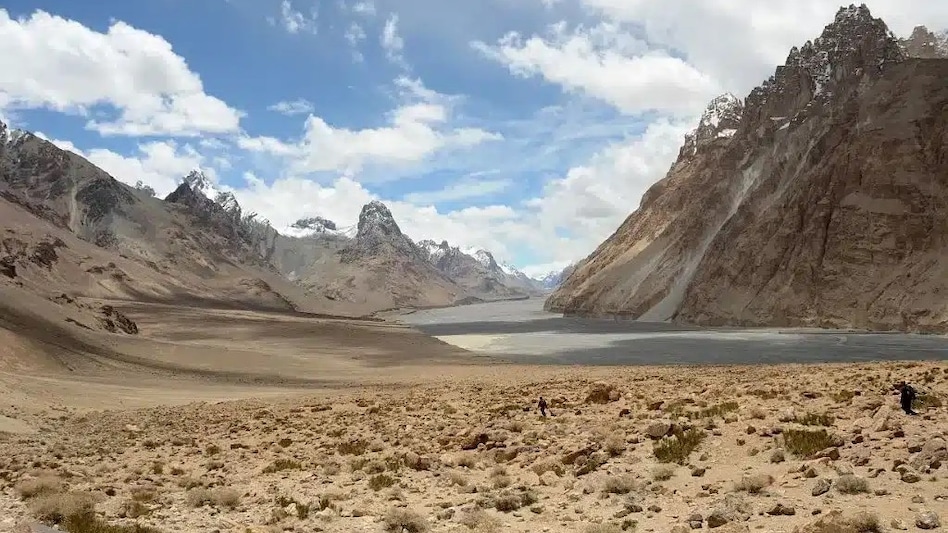
 India’s government has publicly reiterated its concerns over Chinese activity in the region.
 India is navigating a fragile “cold peace” with China even as Beijing steadily advances what New Delhi views as revisionist ambitions along their disputed high-altitude frontier, geostrategist Brahma Chellaney has warned. In a recent post on X (formerly Twitter), Chellaney flagged China’s accelerating activity in the Shaksgam Valley as a potential game-changer for India’s security calculus in the region.
The Shaksgam Valley — a strategically critical tract of over 5,000 sq km — was illegally ceded by Pakistan to China under a 1963 boundary agreement that India has never recognised. Chellaney described the transfer as a “gift” of stolen Indian territory and said recent developments indicate that China’s actions have moved well beyond civilian infrastructure building.
 Will RBI raise interest rates in October? Here’s what experts have to say
 Bitter Friday for Nestlé: Russia seizes assets as Moscow targets Western firms over Ukraine support
 West Asia impact: Saudi Aramco halts European crude allocations after East-West pipeline attack
 Tata Electronics partners with Japanese, Malaysian firms to boost semiconductor manufacturing in India
 From selling gold to spending ₹3.5 lakh: iPhone 18 Pro fever hits India as fans queue up on sale day
 “Unacceptable And Unprofessional”: MEA Rejects Pakistan’s Claims Over INS Kolkata Collision
  Commodity Trading For Beginners: How MCX & NCDEX Work | Trading Basics | Money Today
 US Fed Rate Hikes A Headwind For Foreign Flows? | Jibi Jacob | Jefferies
 ₹25 Billion FII Outflow: What Could Bring Foreign Investors Back? | Jefferies' Jibi Jacob
 India’s Private CapEx Picks Up: Christopher Wood On The Market Outlook
 Jindal Supreme, SS Retail, Hero Motors IPOs subscribed up to 181 times on final day; details here
 Sensex, Nifty post sixth weekly loss; TCS, Titan among top laggards, slip up to 4%
 How AI collapse could benefit Indian equity market; Jefferies' Christopher Wood explains
  Banks are no more secular growth story, prefer NBFCs: Chris Wood
 Jefferies' Christopher Wood sees gold at $10,000 'sooner or later'; likes India's small, midcaps
 Mumbai’s 100-year-old Taj hotel makes world’s top 50, jumps 8 places
 12,500 feet! Man drives e-rickshaw to Spiti Valley, documents epic Himalayan trip
 Tata Sierra Legend Series starts at ₹11.99 lakh: What Indian SUV buyers get in each new L variant in India
 Asian Games 2026 begins in Japan: India’s stars, events and how to watch live
 Who is Rajesh Rawani? Jharkhand truck driver behind 'R Rajesh Vlogs' and luxury truck












