












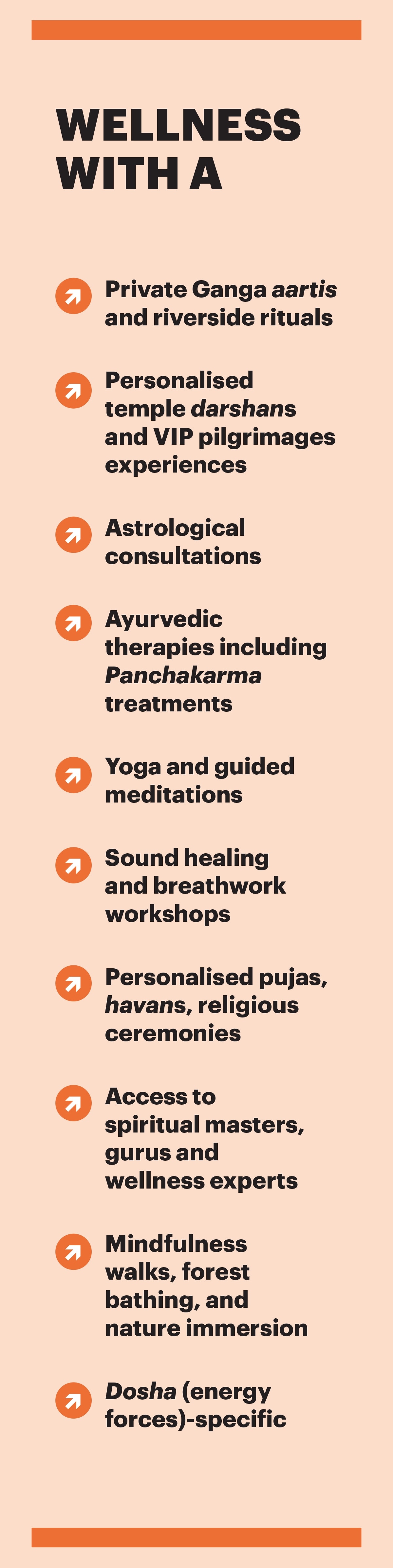
The concierges at India’s newest luxury hotels are fielding an unusual request these days—not reservations at a Michelin-star restaurant or a helicopter ride over the Himalayas, but an audience with a spiritual master, a private Ganga aarti, a Vedic astrologer, or meditation at dawn overlooking the sacred river.
India’s luxury hospitality industry has stumbled upon its most unexpected growth segment: the moksha economy or the business of inner liberation, a convergence of hospitality, wellness, heritage and spirituality that is reshaping investment strategies. This growth is driven by affluent travellers who are increasingly seeking experiences that promise emotional renewal, cultural immersion, and spiritual discovery.
“Luxury, once measured by thread count and square footage, is being redefined by rituals and mindfulness. Hotels are no longer merely selling rooms with scenic views; they are curating journeys through India’s civilisational heritage. Private temple rituals, bespoke pilgrimages, Ayurvedic therapies, Vedic consultations and encounters with local traditions have become premium offerings commanding both higher room rates and longer guest stays,” says Neena Kukreja, a Mumbai-based travel curator.
The proposition is compelling because India possesses something few destinations can replicate: thousands of years of living spiritual traditions woven into everyday life. Hotels and wellness retreats are now attempting to translate that intangible cultural capital into bespoke guest experiences.

Beyond Wellness
Hoteliers say the post-pandemic years have prompted affluent travellers to prioritise mental well-being and authentic cultural engagement over conspicuous consumption. Hotels have recognised that spirituality—not merely wellness—offers a powerful competitive advantage. Indian Hotels Company Ltd. (IHCL), India’s largest hospitality company, has been among the first to institutionalise this opportunity. Its ‘Soulful Abodes’ programme spans scores of spiritual destinations, stitching together stays across Taj, SeleQtions, Vivanta, and Ginger properties into curated spiritual circuits. Whether exploring the ghats of Varanasi, practicing yoga in Rishikesh, undertaking a pilgrimage to Tirupati, experiencing Sufi traditions in Ajmer or discovering Buddhist monasteries in Gangtok—guests receive location-specific experiences designed around mindfulness, heritage and cultural immersion.
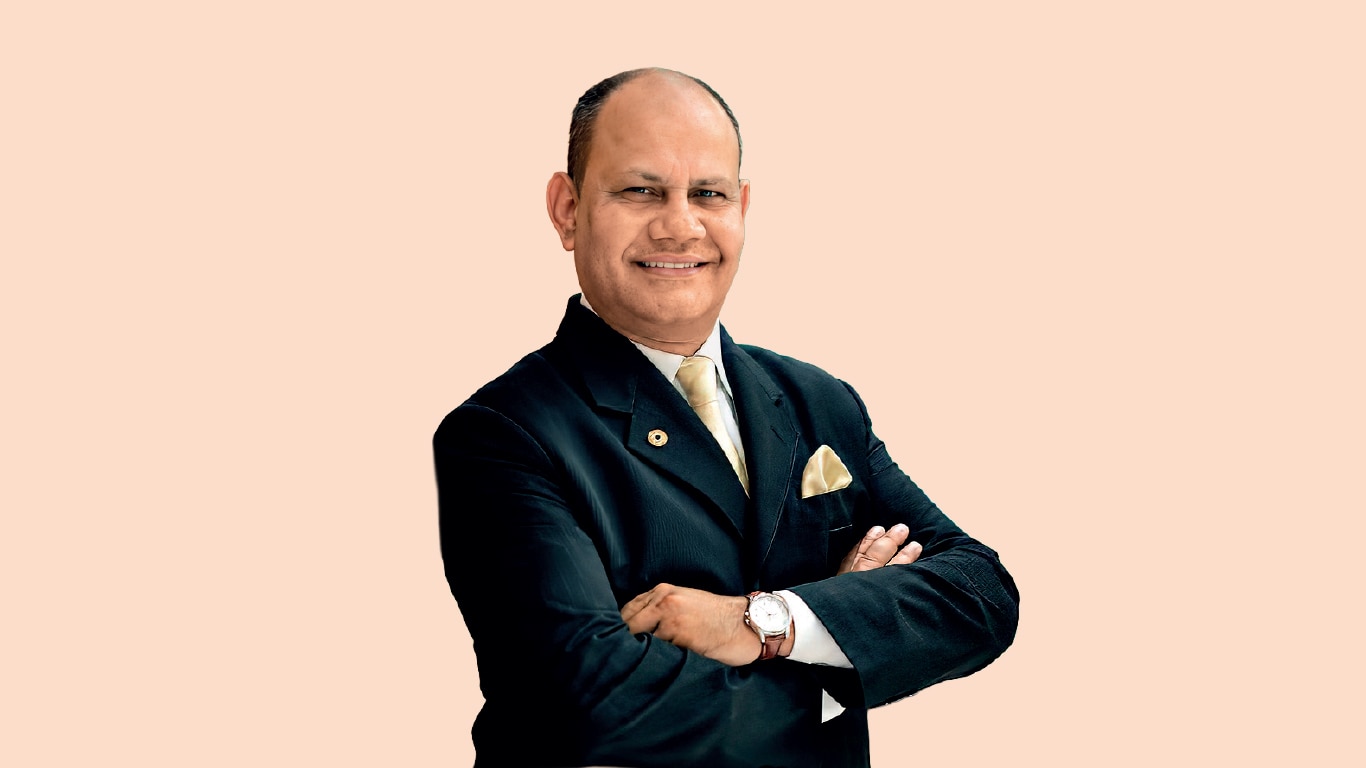
“Spiritual wellness has moved from being a niche interest to becoming one of the strongest growth drivers in Indian hospitality today,” says Manoj Mishra, Cluster General Manager-Operations and General Manager, Taj Rishikesh Resort & Spa. “Modern travellers are actively seeking destinations that offer authentic access to heritage and reflection. Our hotels along the Ganges reflect how we are responding to this shift, each in its own idiom.”
Mishra believes luxury brands now play a larger role than simply providing accommodation. “As this segment of travel continues to grow, as hoteliers we see our role as custodians of that experience, blending authentic heritage, thoughtful architecture and the warmth of signature hospitality to help guests slow down and reconnect with themselves.”
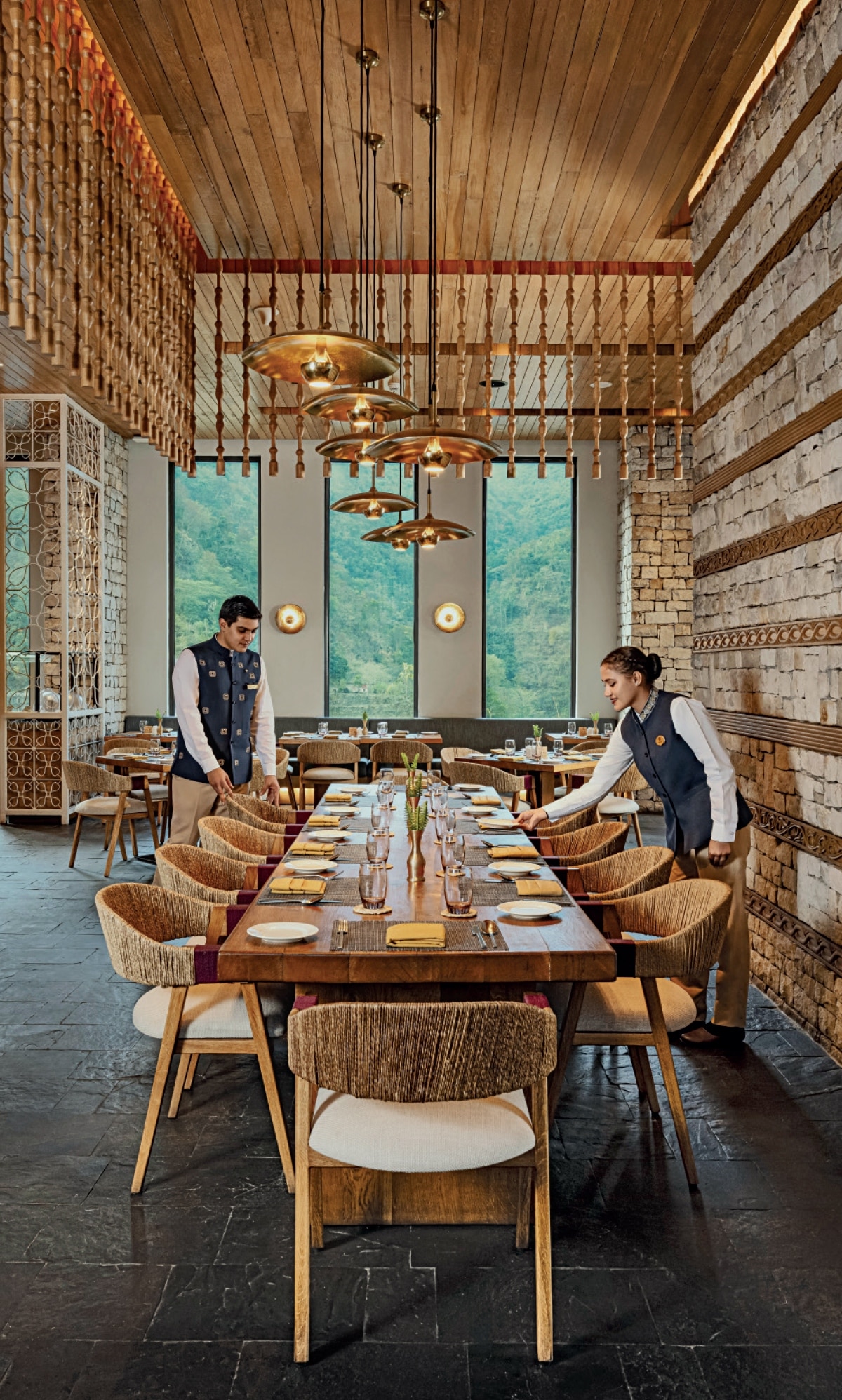
That philosophy is evident at Taj Rishikesh Resort & Spa, tucked away in the Himalayan foothills, where the property deliberately distances guests from the bustle of the pilgrimage town without disconnecting them from its spiritual essence.
Guests witness the evening Ganga aarti on its private pebble beach, practice yoga overlooking the river, undergo Ayurvedic therapies at J Wellness Circle and explore nearby Devprayag, forests and Himalayan trails. The architecture itself borrows from Garhwali villages and temple forts, using local stone and timber to create a sense of belonging rather than theatrical luxury.
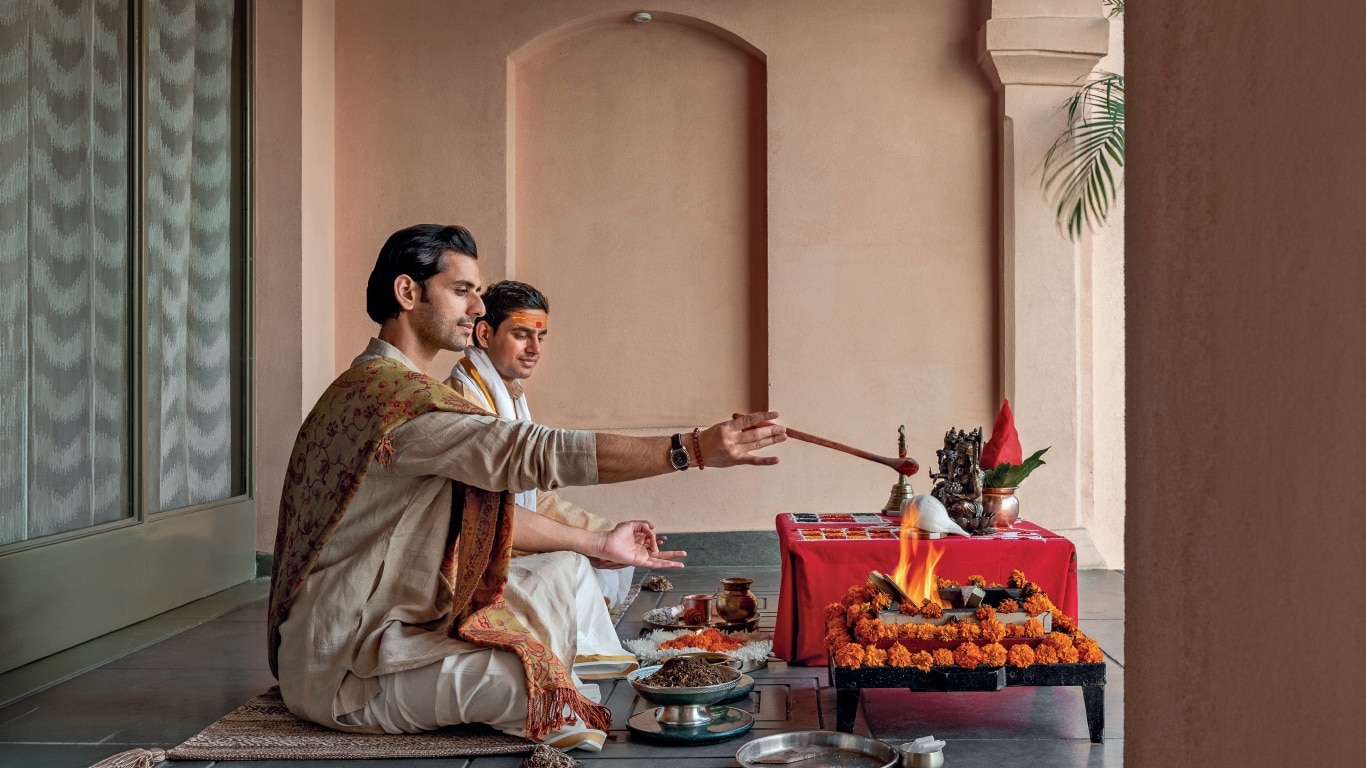
Further downstream, IHCL’s restored heritage residences in Haridwar—Pilibhit House and Hari Ganga Niwas—illustrate another dimension of the Moksha economy. Instead of competing with the frenetic crowds at Har Ki Pauri, both properties leverage one increasingly valuable luxury commodity: privacy.
Each offers rare private bathing ghats where guests can perform rituals, take a customary dip or participate in personalised pujas away from thousands of pilgrims. Experiences extend to bhajan sandhyas (evenings of hymns), navgraha havans (worshipping the nine celestial planets), guided walks through Haridwar’s bazaars, culinary trails, and vegetarian menus rooted in heirloom recipes and regional traditions.
Heritage as Luxury
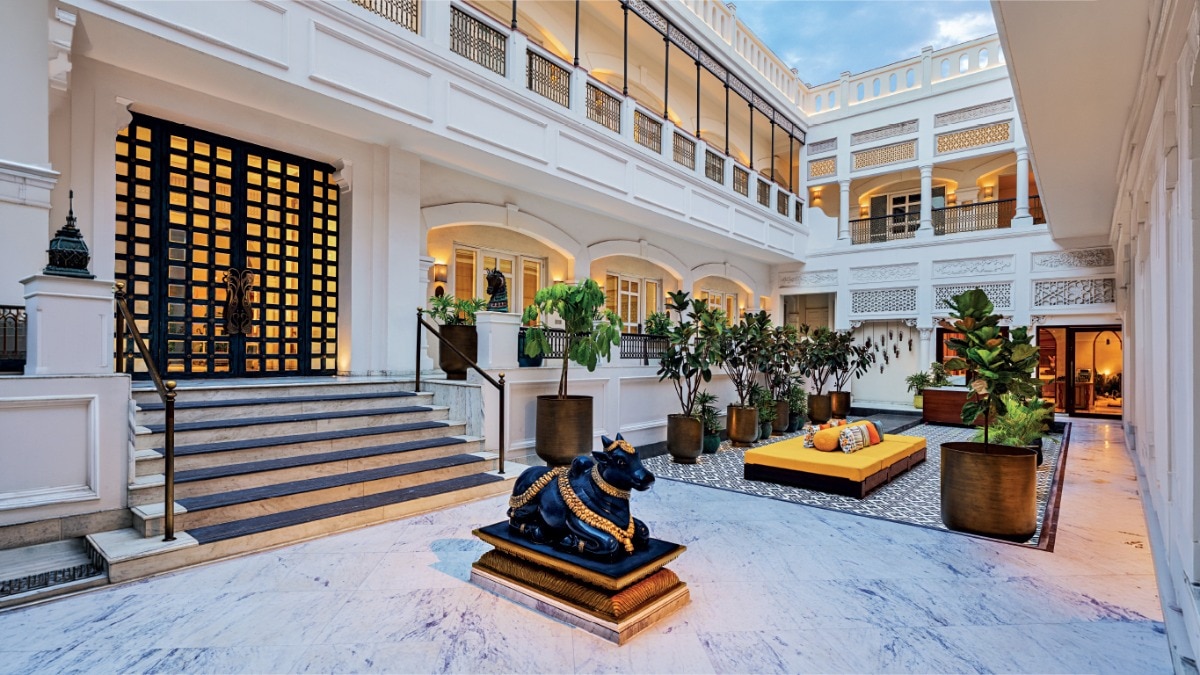
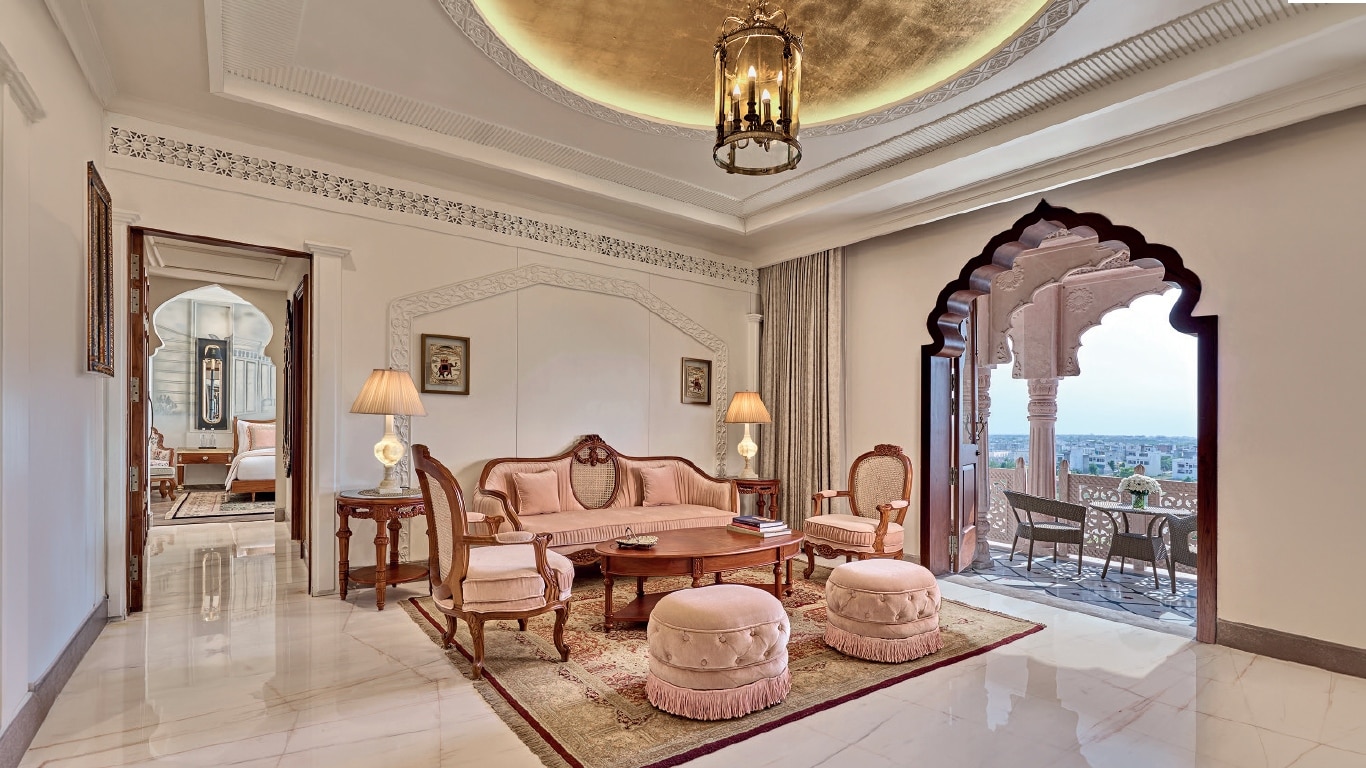
Hospitality companies are also broadening the definition of spiritual travel beyond pilgrimage towns. One example is Noor Mahal Delhi NCR Karnal’s Autograph Collection, Marriott Bonvoy’s first Autograph Collection property in India. Located on the historic Grand Trunk Road, the 176-key palace hotel positions itself an “immersive journey through India’s civilisational heritage” with every corridor, dome, mural, and artefact curated to function as part museum, part living cultural experience.
Less than an hour away lies Kurukshetra, revered as the battlefield where Lord Krishna delivered the Bhagavad Gita to Arjuna—one of the world’s most influential spiritual discourses and a focal point of the government’s Krishna Circuit tourism initiative.
Rather than treating nearby heritage sites as optional excursions, the hotel integrates them into the guest journey.
“At Noor Mahal, our vision is to forge a deep and authentic connection with the region’s rich cultural heritage and surroundings. As a real palace experience, we curate immersive journeys through a highly personalised service. Every detail—from our grand venues to our meticulously crafted culinary offerings—is designed to create unforgettable moments and redefine the guest experience,” elaborates Mahesh Singh Jasrotia, General Manager.
Guests may begin the day at the spa, spend the afternoon exploring Kurukshetra’s sacred landscapes or nearby Buddhist sites, and return to a palace that celebrates India’s artistic traditions, adds Jasrotia. “We do not view spirituality solely through the prism of religion or ritual. We believe it lies in creating spaces that inspire reflection, foster meaningful connections, celebrate India’s extraordinary heritage, and allow guests to experience the richness of our civilisation at their own pace.”

Commercial in the Cosmic
Given the market dynamics, the International Market Analysis Research and Consulting (IMARC), a private international research firm, estimates that India’s religious and spiritual market size, valued at $70.14 billion in 2025, will almost double to $135.41 billion by 2034 by growing at a compound annual growth rate of 7.58%.
The market is driven by deeply rooted cultural traditions, increasing disposable incomes, growing interest in spiritual wellness and mindfulness practices, and expanding pilgrimage infrastructure, adds the report. Government initiatives promoting religious tourism circuits, enhanced connectivity to sacred destinations, and commercialisation of spiritual experiences are further contributing to sustained demand across demographic segments.
8
Deloitte India’s Consumer Signals Report 2026 finds that even amid cautious discretionary spending, affluent Indians continue to prioritise high- value experiences, including travel and wellness, over material consumption.
The numbers help explain why hotel companies are investing not merely in larger spas but in entire ecosystems built around spirituality, preventive wellness and cultural immersion. Hospitality executives increasingly see sacred geography as a durable competitive advantage that cannot be replicated by beach destinations or urban luxury hotels.
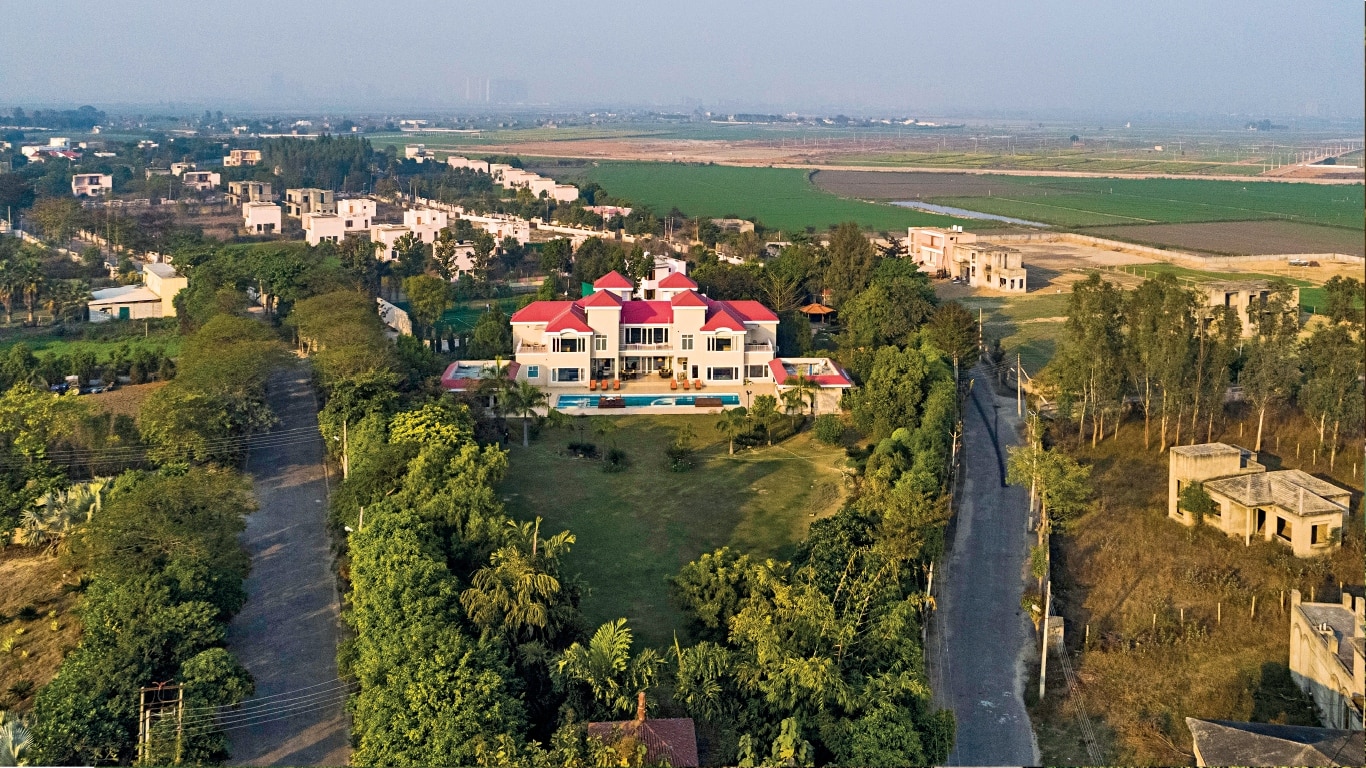
The same evolution is visible at Siddha Wellness Village, tucked away amid the countryside in Faridabad, Haryana. Unlike destination spas built around indulgence, Siddha positions itself as a retreat grounded in ancient healing philosophies.
“The human body possesses an innate ability to heal when supported by the right environment, nutrition and lifestyle. Instead of prescribing quick fixes, we combine yoga, meditation, personalised therapies, wholesome cuisine, and nature immersion to encourage guests to adopt sustainable wellness practices,” says founder Minu Singh.
The retreat’s location is integral to the experience. Surrounded by gardens, organic farms and open landscapes, guests are encouraged to disconnect from digital overload and rediscover slower rhythms of living.
10
Wellness here extends beyond massages to include mindful movement, therapeutic consultations, relaxation techniques and customised lifestyle coaching designed to endure long after checkout.
Veena Sabharwal, 53, a corporate lawyer who stayed at Siddha last year, says the experience was “life-changing.”
“Previously, whenever I took such breaks, I felt rejuvenated for a while but fatigue set in again after a week or two. But here, I was advised sustainable lifestyle modifications which helped me stick to a new wellness regimen without any lapses. This has brought about lasting changes in my physical and mental health.”
A New Form of Luxury Wellness
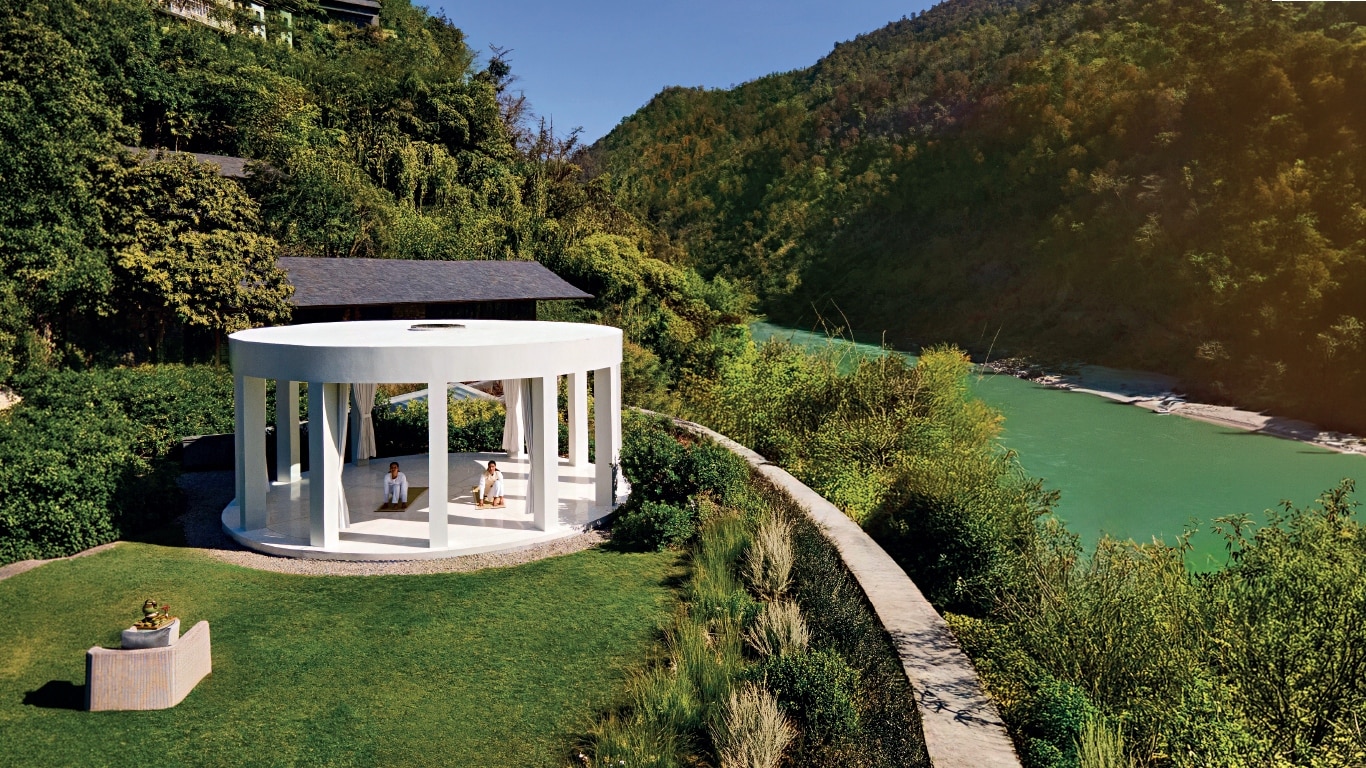
That emphasis on lasting behavioral change is increasingly defining luxury wellness. Hotels are no longer selling temporary escape; they are promising “transformation”. Perhaps no property captures this philosophy more effectively than VILEEN Rishikesh, perched above the Ganges in the lower Himalayas.
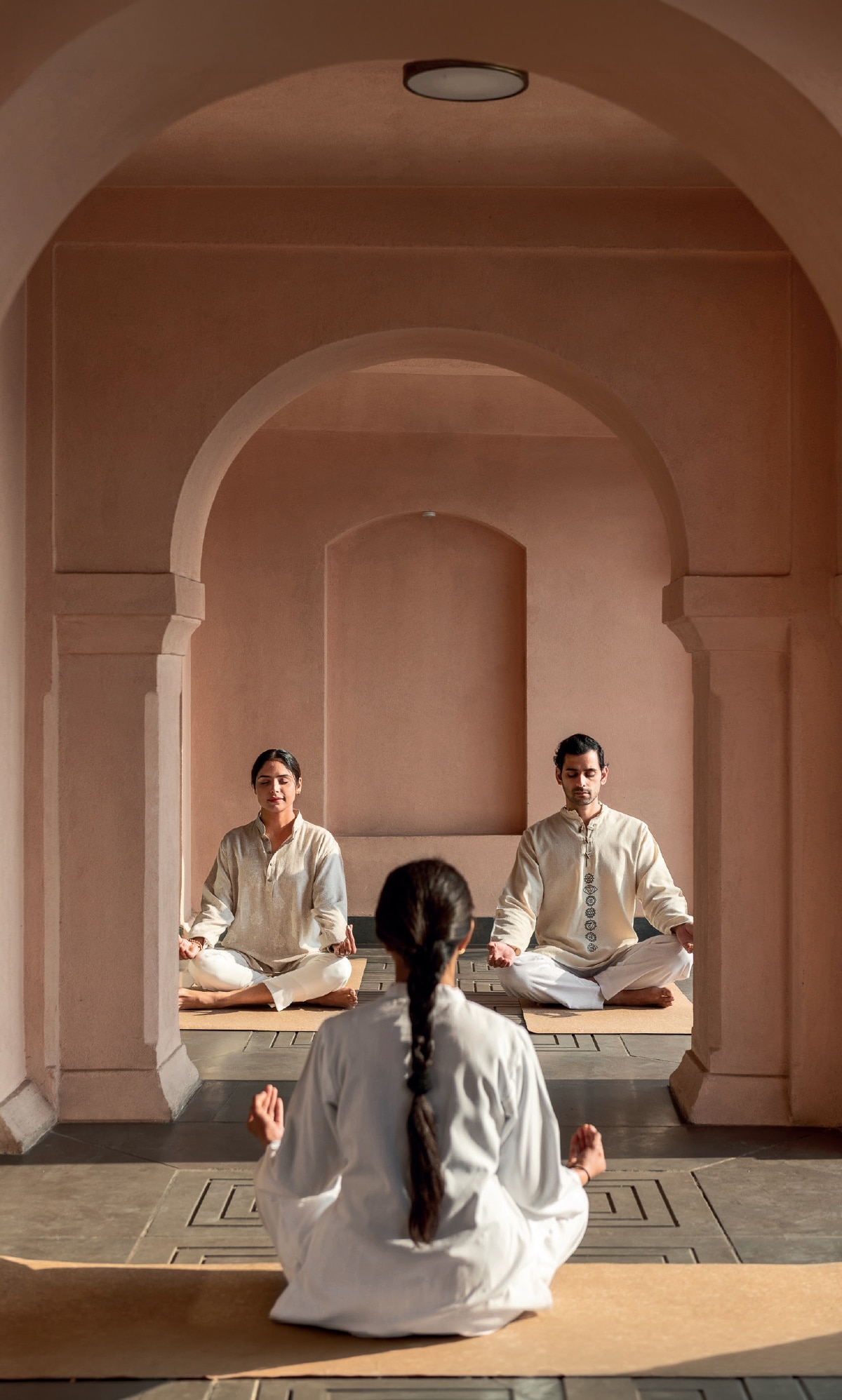
Conceived as an “Invitation to Pause”, the retreat combines spectacular natural surroundings with immersive wellness experiences rooted in Himalayan traditions. Guests can alternate between yoga, meditation and sound healing sessions, therapeutic massages, mindfulness hikes, birdwatching and Ganga aartis, while dosha (energy forces)-specific menus reinforce the holistic approach.
12
“The vision behind VILEEN has always been to redefine what wellness means for today’s traveller,” says Tarun Gulati, Director, VILEEN Rishikesh. “Traditionally, wellness retreats have catered to people who can step away from their routines for weeks at a time. We felt there was an equally important audience that was being overlooked—working professionals in their 30s and 40s, balancing careers, family, and everyday responsibilities.”
The hotel’s philosophy, adds Gulati, is rooted in the Himalayan way of life—combining regional yoga traditions, Ganga-side meditation, Ayurvedic cuisine, nature immersion and Vedic wisdom into a holistic experience. Rather than offering wellness as a temporary indulgence, guests are introduced to a lifestyle they can embrace long after they leave.
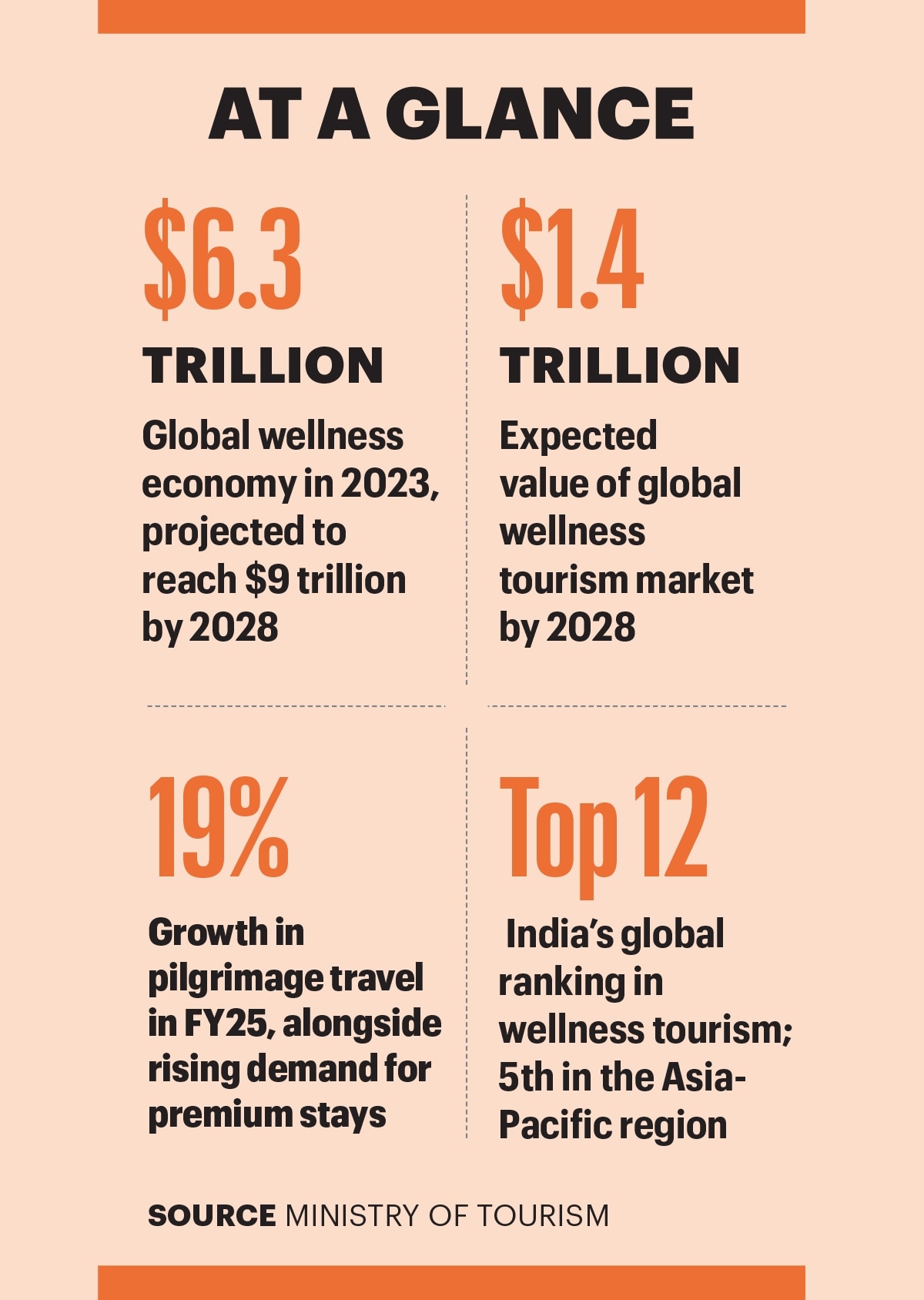
The hospitality industry’s enthusiasm is also being reinforced by government investment. India now ranks among the world’s leading wellness tourism markets, while spiritual circuits centered on destinations such as Varanasi, Ayodhya, Haridwar, Bodh Gaya, and Kurukshetra are being bolstered by infrastructure upgrades, improved connectivity, and tourism promotion. The Ministry of Tourism ranks India 12th among the world’s top wellness tourism markets and fifth in Asia-Pacific for wellness destinations.
Intriguing Paradox
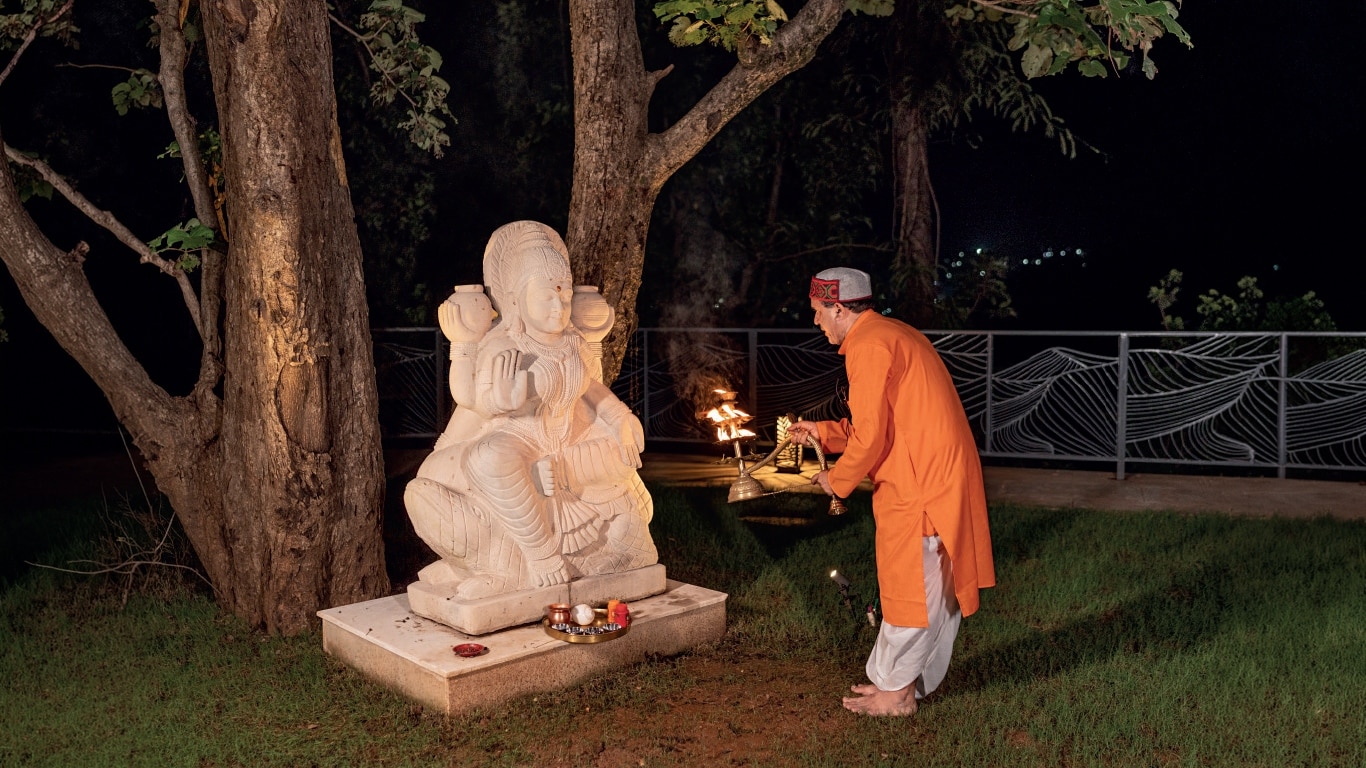
Yet the Moksha economy presents an intriguing paradox. Can spirituality be curated without becoming commodified? Does exclusivity dilute experiences rooted in accessibility and faith?
Hospitality executives argue that they are not commercialising spirituality but improving access to it. Their role, they contend, is to remove logistical friction—crowds, queues, transport, and planning—allowing guests to engage more deeply with India’s living traditions. The experience, they insist, remains authentic; only its delivery has become more thoughtful.
Be that as it may, India’s competitive advantage lies not merely in luxury infrastructure but in intangible cultural assets accumulated over millennia. Beaches, ski resorts, and city hotels can be replicated almost anywhere. The Ganges at dusk, soulful chants echoing through an ancient temple, Himalayan silence or the philosophical legacy of the Bhagavad Gita cannot.


