













T he 1991 economic reforms created multiple opportunities for Indian companies. If the first few years were about figuring out the new business milieu, big-ticket events such as Y2K opened the global IT industry to us. The larger learning was that India could deliver high quality at an affordable cost.
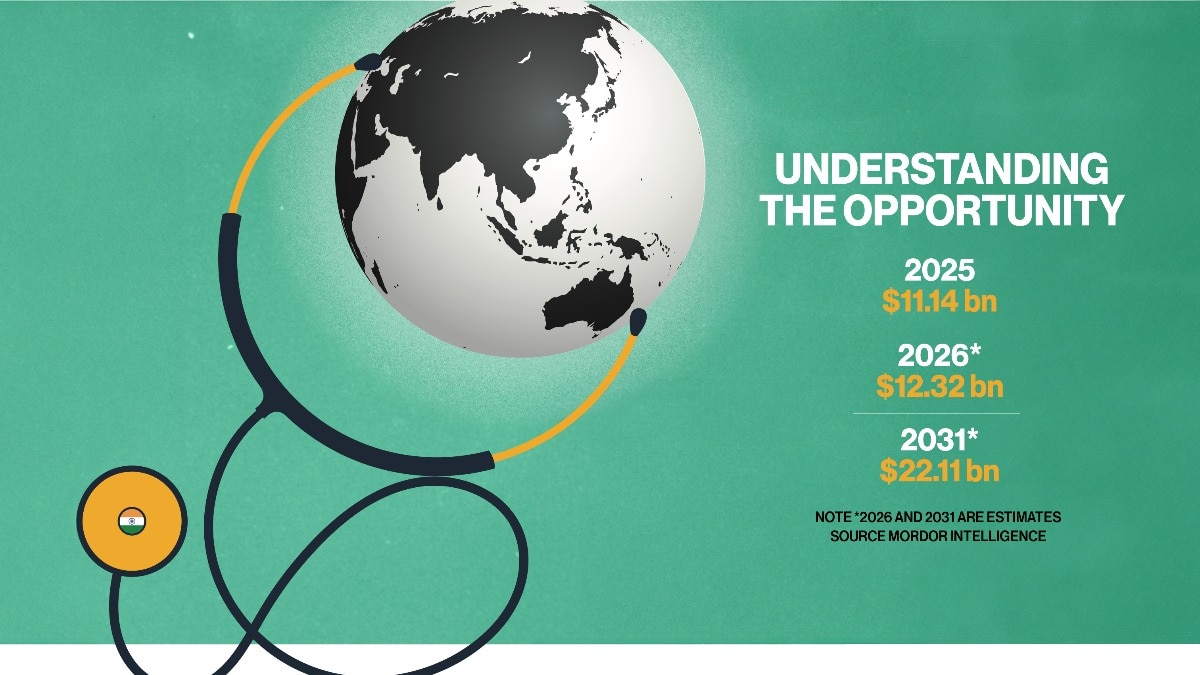
After IT, it was the turn of healthcare. As private hospital networks continue to proliferate on the back of robust business models and more access to funding, confidence levels have increased. Treatment of patients from other countries—medical tourism as it is called—is now a $12-billion industry, and growing. Again, affordability is the differentiator, without compromising on quality. Steadily, things have improved, and with some more push, India can get a disproportionate share of the global market.
The Tipping Points
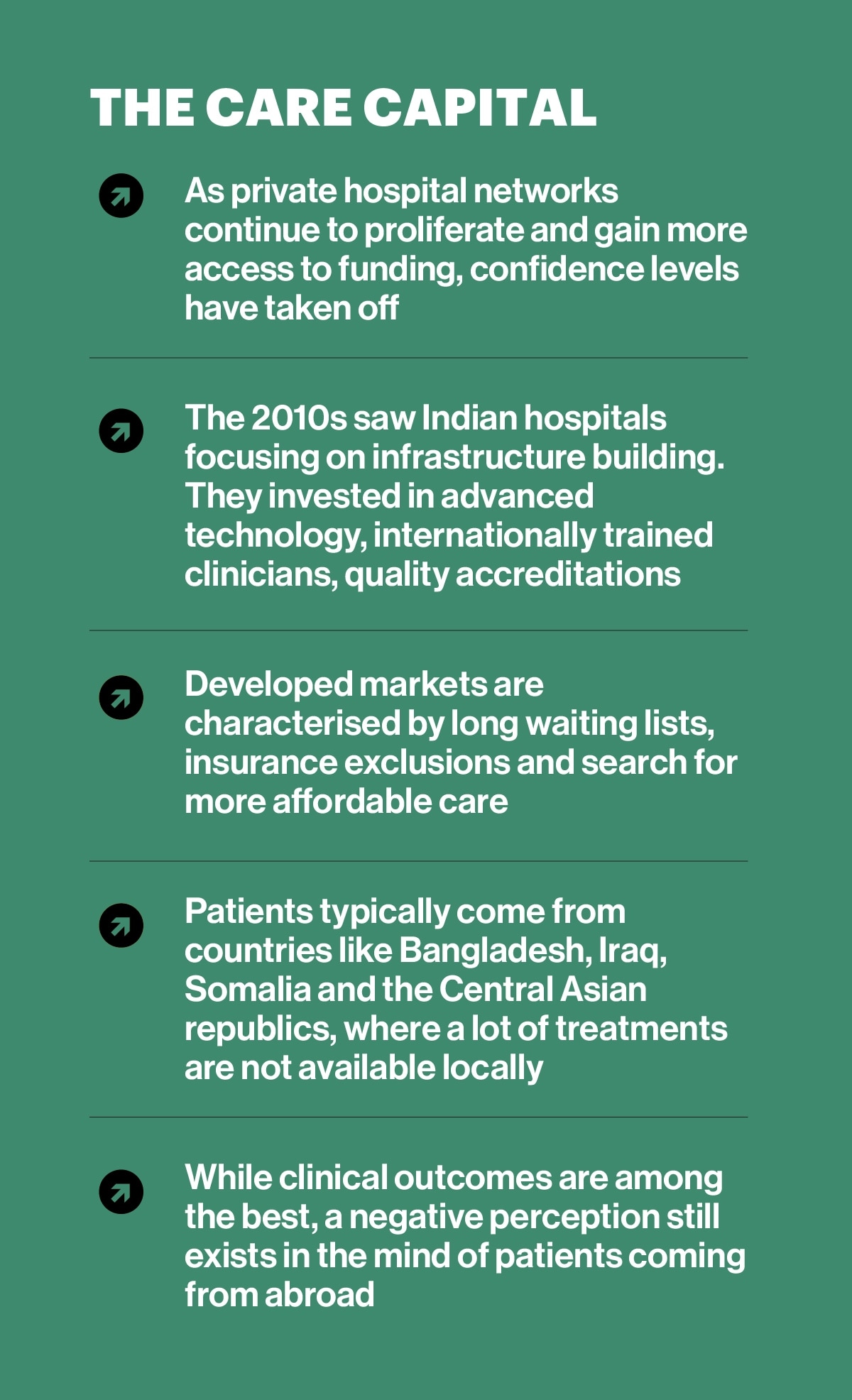
Like any other industry, medical tourism has gone through periods of change. Ritu Garg, Chief Growth & Innovation Officer, Fortis Healthcare, points to three distinct phases. The early 2000s were about cost-advantage, driven primarily by affordability. “International patients travelled to India because they could access world-class treatment at a fraction of the cost in developed markets. This cost advantage positioned India as a viable alternative for complex procedures such as cardiac surgery, orthopaedics, oncology and transplants,” she says.
The 2010s saw Indian hospitals focusing on infrastructure and capability building. They invested in advanced technology, internationally trained clinicians, quality accreditations (JCI/NABH) and patient-centric services. From the late 2010s to the present, specialised outcome-driven care has become important. Garg says patients, who once came to India for affordability, now seek specialised expertise, shorter waiting times, access to advanced therapies and demonstrated clinical outcomes. “Areas such as organised transplantation, oncology, bone marrow transplantation, robotic surgery, neuroscience and precision medicine are increasingly driving patient decisions.”
An Apollo Hospitals spokesperson says the pandemic accelerated teleconsultations, digital second opinions, and virtual follow-ups. “An international patient’s journey can now begin before travel and continue after returning home.”
Indian hospitals typically charge international patients more than domestic ones, even though the cost of treatment remains far lower than what they would pay in their home countries. Since much of the infrastructure and overheads are shared with the domestic business, treating overseas patients is generally more profitable. Hospitals do not disclose these numbers separately, but industry executives say operating margins are 24-25% for the domestic business and about 30% for international patients. The gains are partly offset by higher marketing and patient acquisition costs.
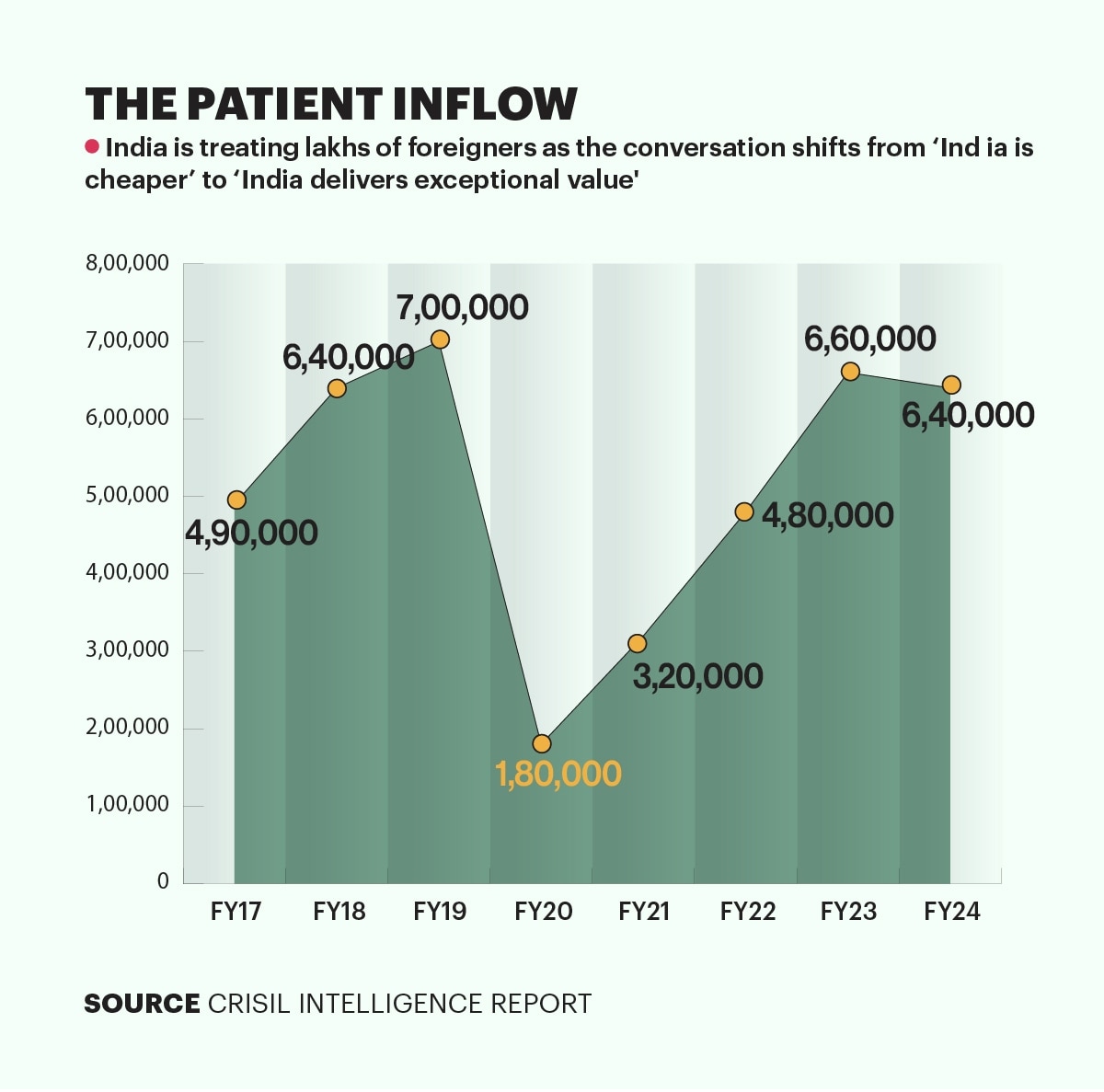
Karthik Rajagopal, Group Chief Operating Officer, Manipal Health Enterprises (owners of Manipal Hospitals), says medical tourism is now going through a digital transformation, where patients research online and attend virtual consultations before travelling. “The conversation has shifted from ‘India is cheaper’ to ‘India delivers exceptional value’,” he adds.
Making The Money
Patient flows can broadly be divided into two segments, those from developing markets and those from developed economies. The first comprises markets such as Bangladesh, Iraq, Somalia and the Central Asian republics, where access to advanced tertiary care remains limited, and many specialised treatments are not available. “Proximity and affordability are important, as travel costs form a significant share of the overall treatment expenses,” says Anuj Sethi, Senior Director, Crisil Ratings.
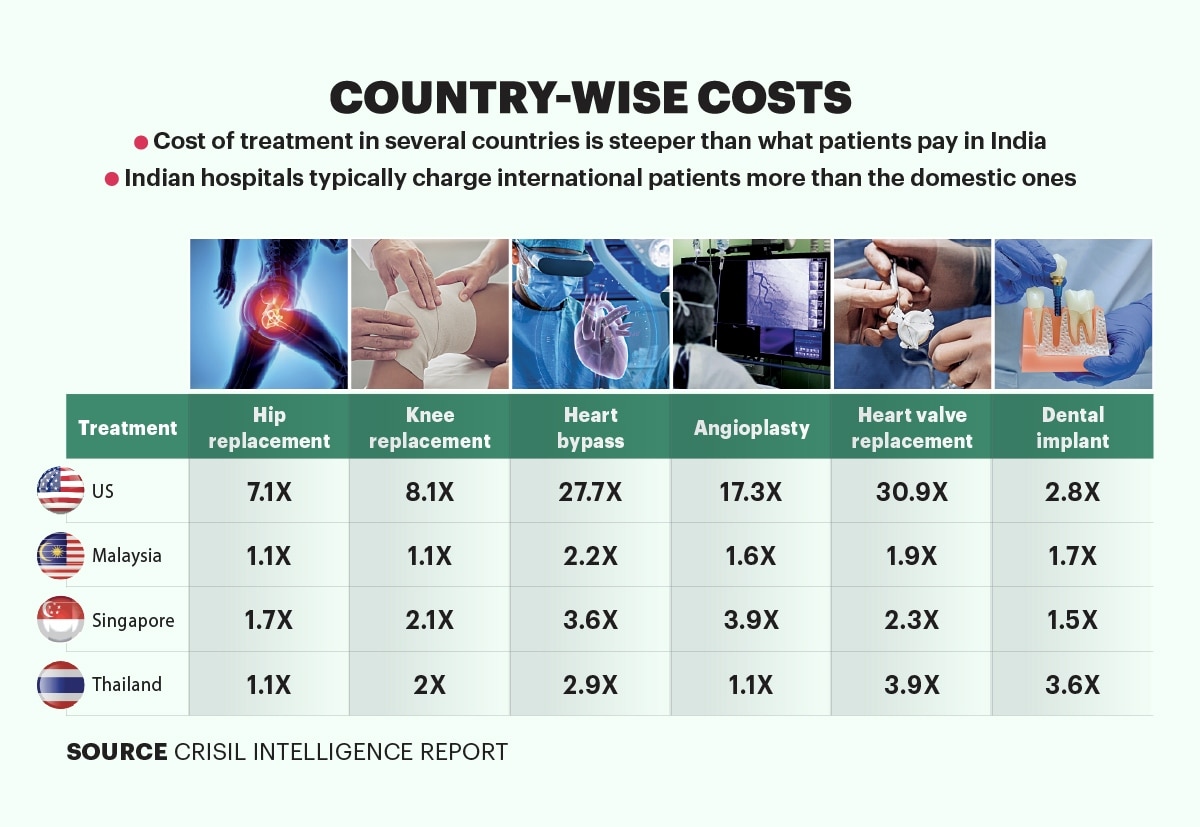
Developed markets are characterised by long waiting lists, insurance exclusions and the search for affordable care. Patients, he says, generally travel for complex, high-value procedures, where travel costs are a relatively smaller part of total treatment expenditure. This is where India’s cost advantage lies—about 70-90% more affordable—as it has comparable clinical quality, advanced infrastructure and shorter waiting times.
A bypass heart surgery in the US would approximately cost around $130,000, says Sethi, while the same would cost $10,000-11,000 in India. Similarly, angioplasty procedures are estimated to be $11,000 in India compared to $57,000 in the US. Knee replacement surgery costs $7,000-10,000 in India, making it far cheaper than $40,000 in many Western countries.
For Max Healthcare, which treats patients from over 185 countries, medical tourism contributes around 10% of its overall revenue. “Medical value travel is an important strategic growth pillar for us, though our approach is fundamentally centred around clinical excellence rather than volume generation,” says Anas Abdul Wajid, Group Director & Chief Sales and Marketing Officer, Max Healthcare. Three factors, he says, will determine patient outflows in the future—healthcare gaps in source countries, geopolitical stability and connectivity, and institutional reputation.
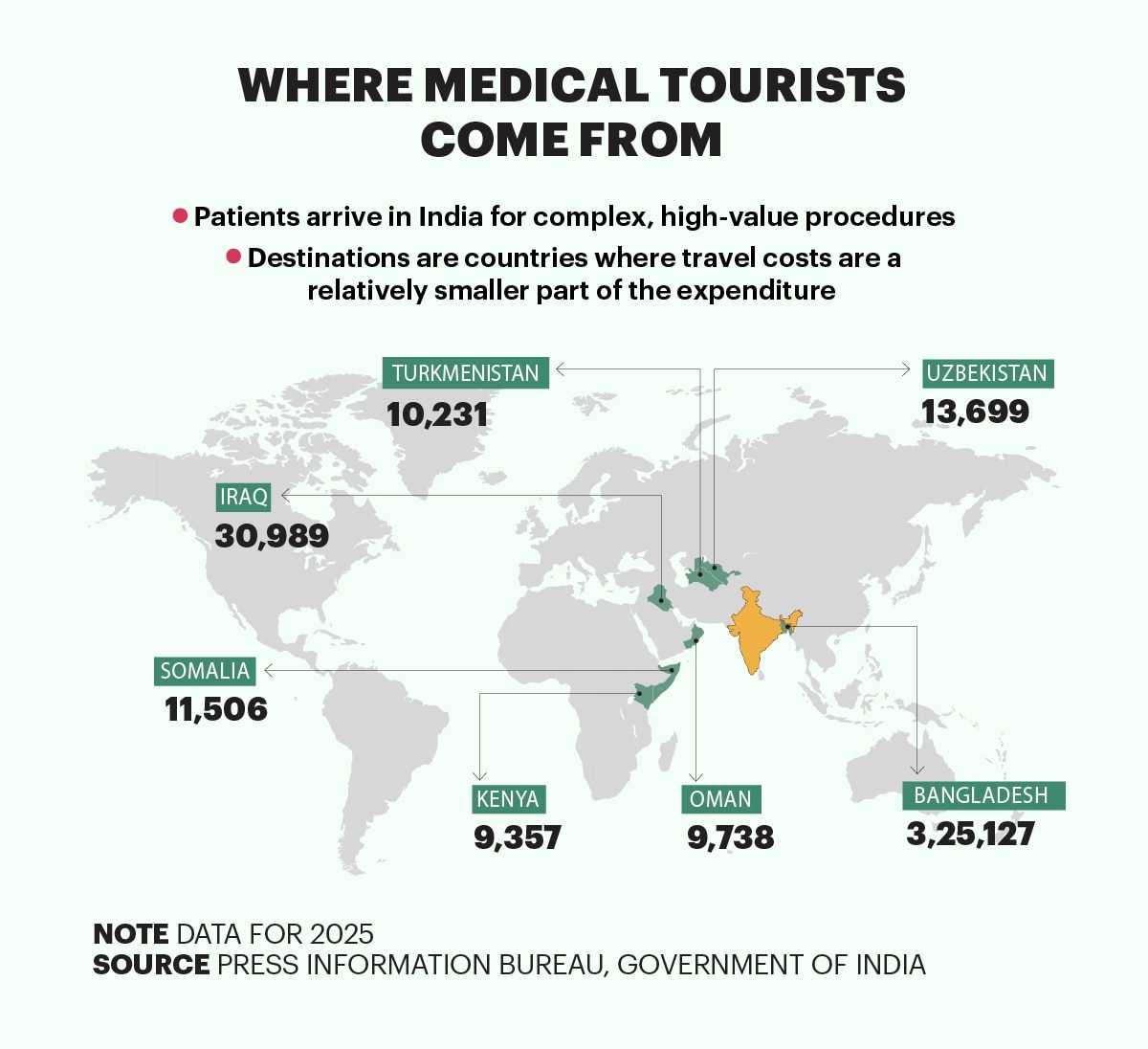
“We expect the profile of international patients to become more diversified. While neighbouring countries will continue to contribute significantly, there is increasing demand from Africa, Central Asia and the Gulf for highly specialised treatments requiring multidisciplinary care,” adds Wajid.
For Apollo Hospitals, international patient services accounted for 6% of the inpatient revenue mix in FY26. “It is a meaningful strategic component. Apollo does not separately publish its profitability. Its value lies in strengthening complex-care volumes and utilisation of advanced clinical infrastructure,” says the company spokesperson.
Each player follows a different strategy based on existing strengths. Fortis’ Garg says her organisation’s approach is built on clinical differentiation (including oncology, bone marrow transplantation and robotic surgery), market diversification (to reduce dependence on any single geography) and a local market presence (through representative offices, partnerships, and collaborations with governments).
Manipal’s Rajagopal says the government deserves credit for recognising healthcare as an important export sector. This covers initiatives like e-medical visas, among other things. “But if we want to sustain double-digit growth over the next decade, we need to create an ecosystem that makes India the easiest and most trusted place in the world to seek medical care,” he adds.
Upping The Game
The quality of healthcare in India has improved, especially in private hospitals, but a negative perception persists in some pockets. Much of that is attributed to agents or facilitators, an unorganised segment.
Sahil Jain, CEO & Co-Founder, The Medical Travel Company, a medical concierge platform, says the business is driven by trust and perception. “Medical tourism falls between healthcare and tourism ministries. Countries like Turkey and Thailand have gained significantly on the back of better perception,” he says.
Following the Covid-19 pandemic, the Turkish government funded marketing campaigns of companies in the country. Soon, it became a popular destination for cosmetic treatment and hair transplants. Thailand, meanwhile, is about 1.5-2x more expensive than India but remains a big market, since the process there is more organised. “India has a real opportunity to become the complex care capital of the world,” says Jain.
The organised market for medical concierge platforms has 5-10 players, and between themselves, they account for 800-1,000 patients every month. Of this, Jain’s company accounts for 70-80 patients. According to him, the unorganised market deals with one million patients annually or around 100x more than the organised segment. The volume is driven by an estimated 2,00,000 agents, with half coming from the Delhi-NCR region due to a larger corporate hospital network and easier connectivity from international destinations. By contrast, Mumbai has fewer hospitals (most of them are standalone), limiting options.
“The next priority should be coordinated execution. Medical value travel involves not only healthcare but external affairs, tourism, civil aviation, home affairs and AYUSH. A national medical value travel mission could align these stakeholders around medical diplomacy, visas, air connectivity, quality standards and international promotion,” says the Apollo Hospitals’ spokesperson.
Though Bangladesh sends the largest number of patients, Jain took the tougher route by targeting the UK market, where waiting times are longer and limited expansion of medical infrastructure makes access challenging. “Last year, only 2% of the patients came from developed markets. Given healthcare inflation in the UK and the US, that should be a lot higher,” says Jain. The normal fee for anyone bringing in a patient is 25-30% of the total bill. An organised market gives hospitals access to patients from more countries and a more meaningful way to spend on marketing.
Like any other business, there are periods of uncertainty and Crisil Ratings’ Sethi thinks the West Asia crisis is a genuine challenge. “In the initial phase, there was a decline in the number of patients from Oman, Saudi Arabia, Iran, Iraq and Yemen due to frequent airport shutdowns and high airfares,” he says.
The inflow from the region is generally concentrated in the highest-realisation lines—oncology, transplants and complex cardiac—and is heavily sovereign-sponsored.
Fortis Healthcare’s Garg is clear that the future of India’s medical value travel industry will be defined less by cost arbitrage and more by clinical excellence, innovation, patient outcomes, trust and global partnerships. “As healthcare systems across the world grapple with rising costs, workforce shortages and growing demand, India has a unique opportunity to emerge as a preferred destination for advanced, specialised and accessible healthcare. The next decade could well be India’s most significant growth phase in international healthcare,” she says.
Rising healthcare costs globally present a significant opportunity for India. If executed well, the country can strengthen its position in medical tourism and build a durable competitive advantage.
@krishnagopalan


