


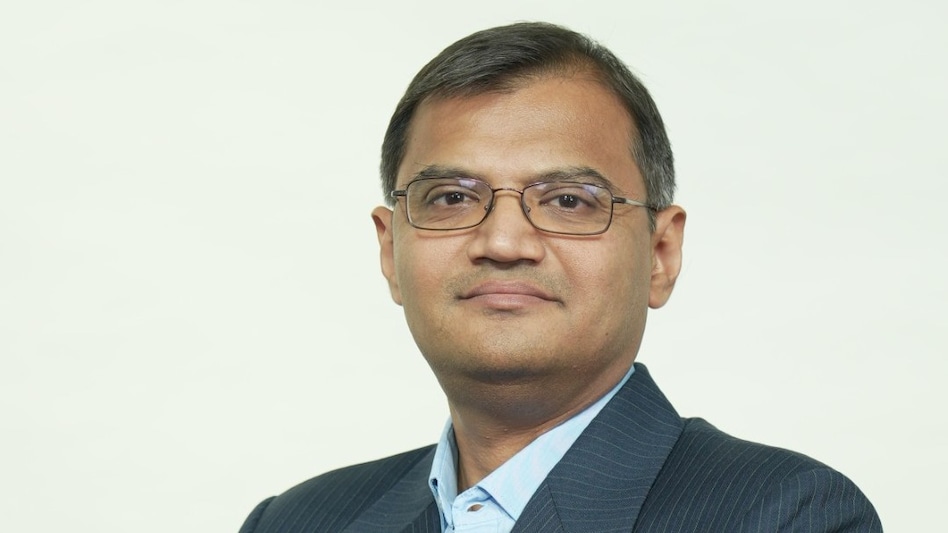
 Nandish Shah, AVP– PCG Research & Advisory, (Fundamental) Wealth Management, Motilal Oswal Financial Services Ltd (MOFSL)
Ahead of the Union Budget 2026, Nandish Shah, AVP – PCG Research & Advisory (Fundamental), Wealth Management at Motilal Oswal Financial Services Ltd (MOFSL), expects continuity on equity taxation, a renewed thrust on capital expenditure (capex) and a calibrated approach to fiscal consolidation, even as market volatility remains elevated.
In an emailed interaction with Business Today, Shah said there is little expectation of any changes to equity-related taxes in the upcoming Budget. "There has been no expectation of any tinkering with long-term capital gain tax, short-term capital gains and STT. FY27 budget is likely to see a tightrope walk between showing the intended fiscal consolidation and providing a push for capex growth, which we believe is the need of the hour."

 BT BIG STORY: Why young global scholars are returning to teach at India's B-schools
 Tata Sons reviews its Articles of Association to meet SEBI listing regulations: Report
 BT Explainer: China’s gold market — What rising ETF inflows and falling physical demand signal
 Vedanta stock in focus: Metal major doubles South Africa zinc capacity with $600 million investment
 'Last time you wanted to finish the job...': Iranian foreign minister challenges Donald Trump
 Gold Vs Silver: Which Could Deliver Better Returns Over The Next 3–5 Years? Expert Shares Targets
 Gold, Silver ETF Purchases Halted: Why Mutual Funds Have Restricted Fresh Investments Before Diwali
 SIR Explained: Forms 6, 7 And 8—What Voters Must Know | Akshita Nandagopal Explains
 Gold Investment Options: ETFs, EGR And MCX Explained | How To Invest In Gold Beyond Physical Buying
 Redmi Note 17 Pro Max Review , Vivo V80, Vivo Vision | Tech Gear EP 20 | Business Today
 Vedanta stock in focus: Metal major doubles South Africa zinc capacity with $600 million investment
 Markets Next Week: Jio Platforms IPO, high crude oil prices and Q2 earnings in focus
 10 investing mistakes retail investors should avoid, from overpaying to panic selling
 YES Bank Q2 profit rises 65% to Rs 1,080 cr; proforma impact of restatement of AT-I bonds revealed
 ICICI Bank Q2 results: Net profit jumps 20% to Rs 14,843 crore; NIM contractsTata Sons reviews its Articles of Association to meet SEBI listing regulations: Report'Last time you wanted to finish the job...': Iranian foreign minister challenges Donald TrumpVedanta stock in focus: Metal major doubles South Africa zinc capacity with $600 million investment
 Quote of the Day by Anand Mahindra: 'The best way to propel the economy may be to encourage different parts of the country to go their own way'
 ‘He did not wilt under such situations’: Trump backs 'warrior' Netanyahu for re-election












