


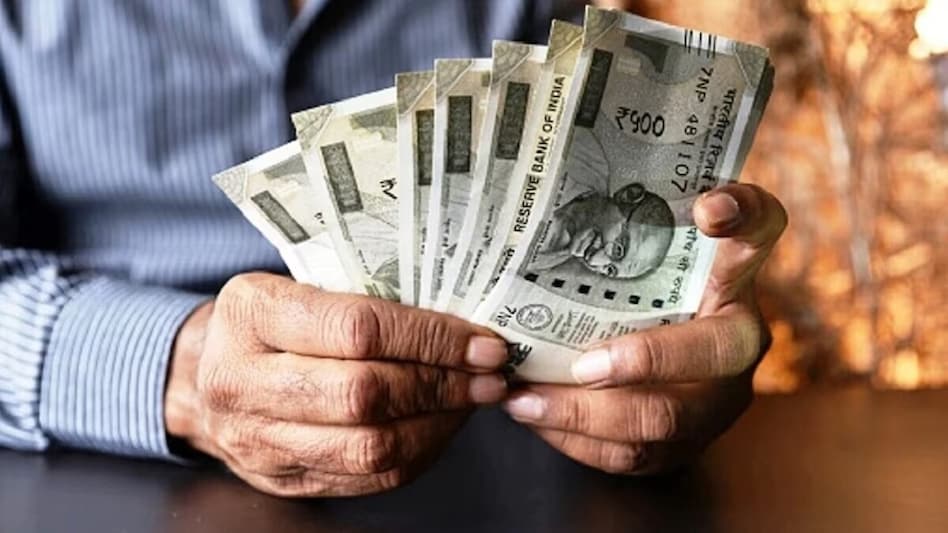
 The Survey underscores the growing role of domestic institutional investors (DIIs) in offsetting foreign outflows.
The Economic Survey 2025–26 highlights heightened volatility in India's foreign portfolio investment (FPI) trends during FY26, shaped by shifting global financial conditions, currency movements and relative market performance.
"India's FPI trends in FY26 exhibit volatility. During Q1 FY26, FPIs were net buyers of Indian equities and net sellers of debt instruments. In contrast, in Q2 FY26 and Q3 FY26, they transitioned from being net buyers of equities to net sellers, while being net buyers of debt instruments. As of 13 January 2026, FPIs are net sellers of Indian equities with outflows amounting to Rs 16,500 crore."

 How Tamil Nadu is continuing to lead in manufacturing with factories and factory workers
 Did you know India’s cash demand is strong despite the digital payment boom?
 Xi Jinping likely to visit India after 7 years for BRICS summit, may bring 400-member delegation
 Bitcoin price today: BTC crosses $80,000 for first time since May, rises 25% in week; what's driving it
 Onion prices soaring: Centre to sell onions at ₹35/kg, sends Kanda Express to boost supply
 Trump Moves To Make H-1B Visa Fee Permanent And Higher: What It Means For Indians
 Market Rally Vs Geopolitical Risk: What Wins From Here? Aditya Agarwal
 Daily Calls: Ask Your STOCK MARKET TODAY QUERIES | Market Update | Share Market News Today
 Symbiotec Pharmalab IPO | Top Management On Growth Plans, Business Outlook & IPO Strategy
 Chennai Second Airport Halted: Parandur Project Faces Wetland Concerns & Political Storm
 Paytm shares up 33% in a month: Time to book profits or is there more upside left?
 Nykaa shares: Elara Capital hikes target price; sees 43% upside potential
 Crompton Greaves shares: Brokerage sees 67% upside potential; check target price
 Dixon Tech, Amber Enterprises: Will they benefit from MPMS? Kotak shares views
 Vodafone Idea, Paradeep Phosphates, Hindustan Copper shares: What expert says
 'Be a Malayali for a Day': Keralam Tourism launches new initiative; know all about it
 CheQ launches UPI with up to 2.5% rewards on RuPay credit card transactions: What users get
 SEBI pushes for Indian commodity benchmarks, sees shift from global price-taker to price-maker
 Varun Beverages enters alcohol business, taps former Diageo executive Prathmesh MishraHow Tamil Nadu is continuing to lead in manufacturing with factories and factory workers












