


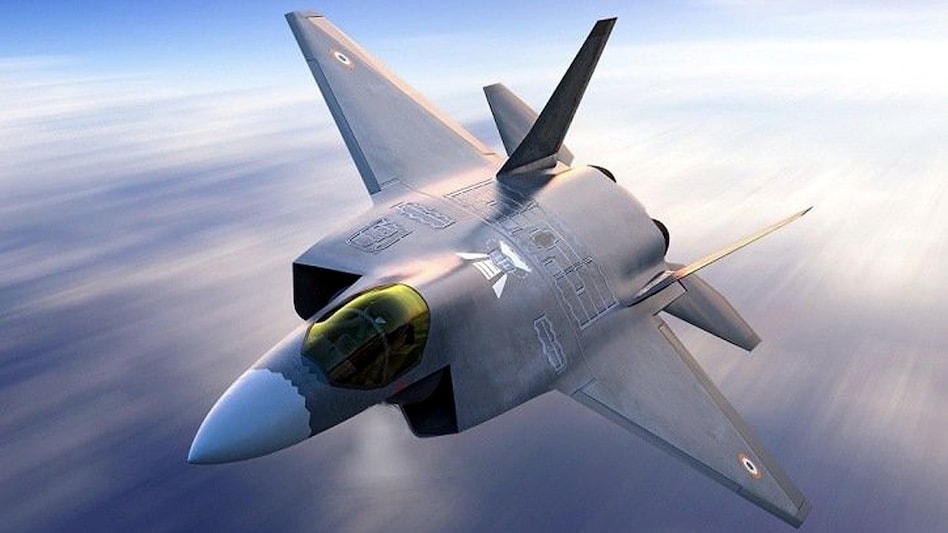
 According to Elara, the AMCA program, still at the prototype stage, was unlikely to contribute to HAL’s revenue or earnings until 2033
Defence stock: Elara Securities in its fresh note on defence sector said Hindustan Aeronautics (HAL) absence in India's fifth generation fighter aircraft prototype development program is unlikely to impact earnings until 2033, calling it “a pause, not a full stop.”
The research note highlighted that while HAL is reportedly not part of Advanced Medium Combat Aircraft (AMCA) prototype development, its business remains well-diversified across multiple ongoing and developmental programs.
These include the Tejas Mk II prototype, expected in Q2FY27, Su-30 upgrades, Dornier 228, TEDBF, and CATS Warrior UCAV, alongside helicopters such as UHM, IMRH, LUH, and LCH Prachand. Elara said HAL is also pursuing new initiatives, including MRO services for Airbus, certification of civil helicopters by Q3FY27, and the development of the SJ-100 commercial aircraft with Russia.
According to Elara, the AMCA program, still at the prototype stage, was unlikely to contribute to HAL’s revenue or earnings until 2033, with the first prototype slated for 2030, orders estimated around 2032, and deliveries by CY35.
Elara said HAL’s exclusion has been linked to its book-to-bill ratio exceeding the 3 times requirement, standing at over 8 times, effectively ending its monopoly in fighter aircraft programs.
Elara Securities maintained that while the AMCA miss is a setback, HAL’s current order book of Rs 2.5 lakh crore, backed by major contracts including LCA Tejas Mk 1A, LCH Prachand, HTT-40, LUH, Su-30 aircraft and engines, provides revenue visibility till FY32.
It revised HAL to 'Accumulate' from 'Buy', lowering the target price to Rs 4,480 from Rs 5,680, reflecting the loss of monopoly in fighter jets, though EPS estimates remain unchanged.
Earnings CAGR is expected at 6 per cent through FY25–28, with RoE and RoCE at 22 per cent and 23 per cent, respectively. Risks for the stock included include delays in Tejas Mk 1A deliveries and increased private-sector participation in helicopter programs.

 How REITs are becoming a rewarding investment proposition
 Banks set for Q1 credit boost, but margin pressure may spoil the party
 BrahMos turns 25: The secret story behind India's most powerful cruise missile
 ‘False, baseless’: Piyush Goyal denies report on India rejecting interim US trade deal
 Dharavi is about to change forever! 10,000 rehabilitation homes coming in 18 months
 Rupee Outlook: Why Quantum AMC Expects Stability Despite Dollar Strength & FII Outflows
 Market Guru LIVE | George Thomas On Market Outlook, Large Caps, Monsoon & Crude Impact
 Ground Report From Ayodhya: Ram Mandir Donation Theft Row Hits Local Business And Pilgrim Footfall
 India-UK FTA From July 15: Piyush Goyal Says 99% Exports Get Zero Duty, PF Relief For Workers
 Indian I.T. Stocks Outlook: TCS Q1 Earnings, AI Adoption And Next Rally Trigger
 HCLTech Q1 FY27: Profit rises 20% YoY to Rs 4,624 crore; announces Rs 12/share interim dividend
 Vedanta, demerged stocks: What should investors do? Centrum's Nilesh Jain shares his view
 Reliance Power, BLS International, Bajaj Healthcare: Analyst decodes trading strategy
  Sensex, Nifty end marginally higher after volatile session; what should investors watch now?
 Rs 1,616 to Rs 18,141 in five years: Now, this defence stock set to nearly halve, says Kotak









