






 Skipping preventive check-ups may appear cost-saving in the short term, but it often results in higher long-term expenses.
 Skipping preventive check-ups may appear cost-saving in the short term, but it often results in higher long-term expenses.
In many Indian households, healthcare decisions are still driven by symptoms rather than prevention. A doctor’s visit is often postponed until illness becomes unavoidable, while routine screenings and preventive check-ups are pushed aside. This reactive mindset, experts warn, is proving increasingly expensive—both medically and financially.
Data from the ACKO India Health Report 2024 underscores the cost gap. The average insurance claim for hospitalisation stood at Rs 70,558, reflecting the steep expenses families face once treatment becomes necessary. In contrast, a basic preventive health check-up or early screening can cost as little as ₹700. Despite this stark difference, a large section of the population continues to delay medical attention until conditions worsen, leading to higher costs and more disruptive treatment.
“This reactive approach has serious consequences,” said Aditya Kandoi, CEO & Founder, Redcliffe Labs. “Modern lifestyles, rising pollution exposure, genetic predispositions, ageing and dietary changes contribute to slow, often unnoticed deterioration in health. What remains unseen progresses silently and eventually turns into serious illness. With healthcare costs rising by nearly 14% annually, delaying diagnosis only makes treatment more complex, expensive and disruptive to family finances.”
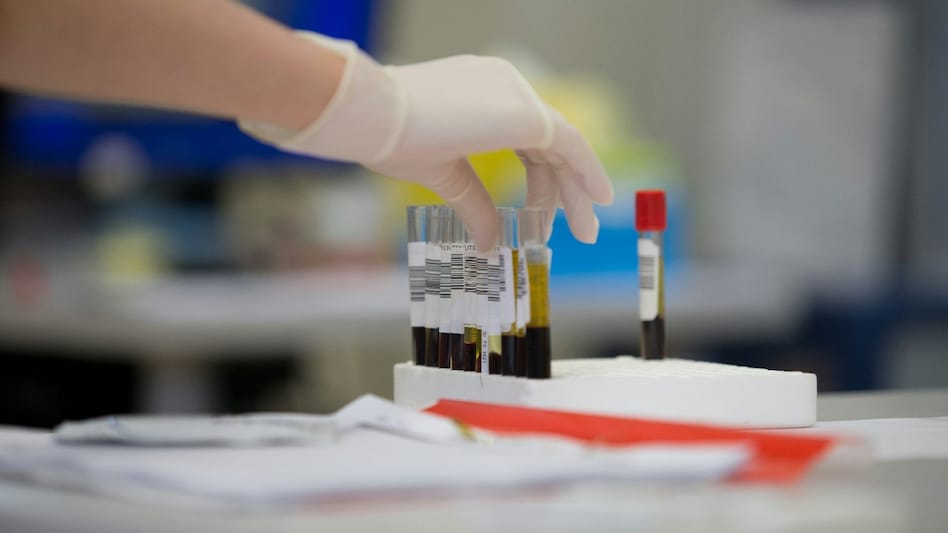
Skipping preventive check-ups may appear cost-saving in the short term, but it often results in higher long-term expenses. Conditions such as diabetes, hypertension and heart disease, when detected late, require lifelong management rather than prevention. This typically involves frequent doctor visits, medication, diagnostic tests and, in some cases, hospitalisation—quickly straining household budgets.
The financial impact is amplified by India’s health financing structure. Around 62% of healthcare expenditure is paid out-of-pocket, making medical emergencies a direct hit to savings. In addition, nearly 23% of hospitalisation costs are funded through borrowings, pushing families into debt at a time of emotional and physical stress. The burden often stretches over years, affecting future savings, education planning and retirement goals.
Evidence increasingly shows that prevention pays off. Studies in 2024 highlighted that early detection not only improves health outcomes but also significantly reduces long-term medical costs. Identifying risks early allows lifestyle changes or low-cost interventions before conditions become chronic or life-threatening.
Plan for 2026
For 2026, Kandoi recommends a more deliberate financial approach. “It is practical for families to set aside 5–8% of their annual household budget as a ‘health preparedness fund’ for preventive care,” he said. “This can cover regular full-body check-ups, routine lab tests, pollution-impact assessments for urban households, and monitoring key indicators such as blood sugar, blood pressure, kidney and liver function, lipid profiles and more. For older adults, it should also include age-appropriate tests like cancer screenings, cardiac evaluations and bone health assessments.”
 Historic move amid Hormuz closure: IEA approves emergency release of 400 million barrels of oil
 'Get ready for $200 oil': Iran warns tankers bound for US, Israel will be targeted
 West Asia conflict: ‘Practically nothing left to target in Iran’, Donald Trump says war could end anytime
 India diversifies crude supply routes: 75% now coming from outside Strait of Hormuz
 Parliamentary Committee bats for subsidy on electric cars under PM E-DRIVE Scheme
 US Supports India’s Russian Oil Imports Amid Strait Of Hormuz Disruptions
 Railways Modernisation In Full Swing | Govt Spends 97% Of FY26 Allocation
 Iran War Hits Airlines: Air India Fuel Surcharge, Flight Cancellations & Fare Surge
 LPG Crisis Boosts Appliance Stocks | Electric Appliance Stocks Surge On Alternate Fuel Buzz
 “Fishermen Are Key To Blue Economy”: PM Modi Announces ₹1,400 Crore Boost For Kerala
 IndiGo shares rebound nearly 8% from 52-week low; what lies ahead for India's largest airline?
 Sensex, Nifty outlook as oil weighs, FPI March selloff hits Rs 34,000 crore
 Suzlon shares rebound 10% from 52-week low; What's next after 44% fall in 10 months?
 Adani Total zooms 20%; flags supply cuts to industrial customers amid West Asia tensions; analysts share outlook
 Butterfly Gandhimathi, TTK Prestige, Stove Kraft shares rally up to 17% today; here's why