


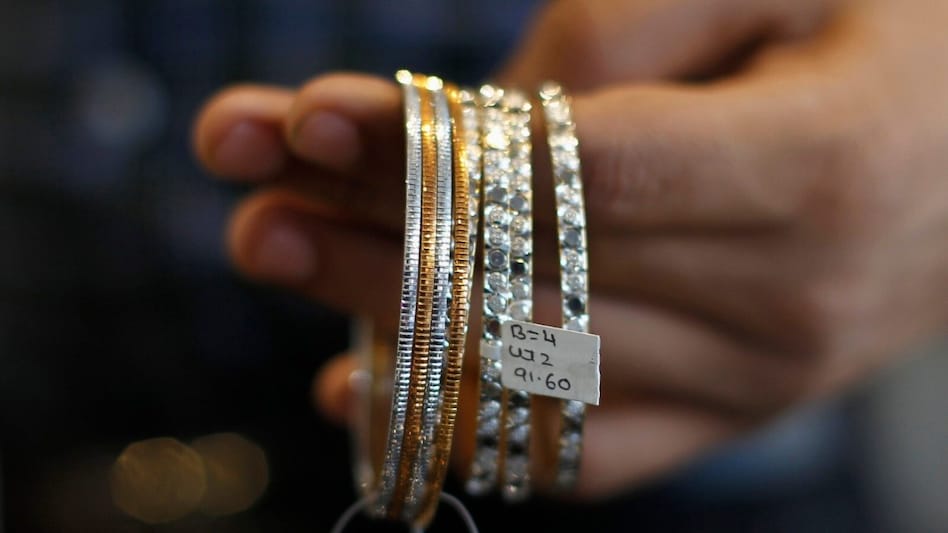
 In India, platinum prices have mirrored the global uptrend. As per Goodreturns, platinum was quoted at ₹55,350 per 10 gm on December 19. Prices have jumped 121% so far in 2025.
After a blistering run in gold and silver that left many retail investors feeling they had “missed the bus”, market experts say there may still be room to participate in the precious metals story — this time through platinum.
Silver’s spectacular rally this year has put the metal firmly at the centre of global investor attention. Prices gained fresh momentum after a rare short squeeze in October, pushing global spot rates sharply higher. Gold followed suit, reinforcing its status as a safe-haven asset amid global uncertainty.
But while silver has clearly outperformed its peers, other precious metals have also been quietly gaining ground. Platinum, in particular, has emerged as a fresh standout.
Platinum shines amid supply deficit
Precious metals had their moment in the sun this week as platinum prices surged to record highs. Spot platinum jumped 3.3% to $2,351.05 an ounce on Wednesday (December 24), after touching an all-time high of $2,377.50 earlier in the session.
Unlike gold and silver, platinum occupies a unique position as both a precious and an industrial metal. According to the World Platinum Investment Council (WPIC), the global platinum market is currently in deficit, a factor that has supported prices and revived investor interest.
The metal’s growing appeal lies in its diversified demand profile. Platinum is widely used in catalytic converters for the automotive industry, jewellery, industrial applications such as electronics and fertilisers, as well as medical devices and pharmaceuticals. This broad usage base helps create resilience in demand, even during economic slowdowns.
Platinum is now the third most traded precious metal globally after gold and silver, with investment demand steadily rising.
Why platinum is back on investors’ radar
Investors, who feel they entered gold and silver too late, platinum’s recent breakout offers a psychological reset. Market participants note that missing one rally does not mean missing the entire asset class opportunity.
According to WPIC data, platinum’s four largest demand sectors are automotive (39%), jewellery (28%), industrial use (24%) and investment (9%). Total platinum demand for 2025 is expected at 7.88 million ounces, slightly lower than last year, but supply constraints continue to underpin prices.
The long-term outlook has also strengthened. Platinum prices crossed $1,500 per ounce in September 2025 for the first time since 2014 and surged beyond $1,600 before the month ended, signalling renewed structural strength in the market.
In India, platinum prices have mirrored the global uptrend. As per Goodreturns, platinum was quoted at ₹55,350 per 10 grams on December 19. Prices have jumped 121% so far in 2025, rising from ₹25,160 per 10 gm at the start of the year. Over the same period, gold gained 74%, while silver rose 132%.
How Indian investors can gain exposure
For Indian investors looking to diversify beyond gold and equities, platinum offers an additional avenue — though with important caveats.
One route is physical ownership. Investors can buy platinum in the form of jewellery, bars or coins from authorised jewellers or online platforms. However, jewellery purchases typically include making charges and margins, while physical bars and coins require secure storage. Buyers should ensure purity certification, such as PGI certification or a recognised hallmark.
A more convenient alternative is financial exposure. Unlike gold and silver, platinum ETFs are not listed on Indian stock exchanges. However, Indian investors can still access globally listed, physically backed platinum ETFs through international investing platforms offered by brokers such as Zerodha, Groww and ICICI Direct.
These investments are made under the Liberalised Remittance Scheme (LRS) and involve foreign currency exposure, currency conversion costs and exchange-rate risk. On the upside, overseas ETFs eliminate the need for physical storage and allow investors to trade platinum like a financial asset during global market hours.
Other indirect options include mutual funds with exposure to platinum mining companies or direct investments in global mining stocks as proxy plays.
While platinum’s rally has been impressive, analysts caution that commodities remain volatile. Overseas ETFs carry additional risks related to currency fluctuations and global market swings. Physical investments require storage planning and careful price comparison.

 Did Cockroach Janta Party's 'Chalo Sansad' 2.0 threat trigger Dharmendra Pradhan's resignation? What we know so far
 'Will discharge my responsibilities with complete humility': Pralhad Joshi after being appointed Education Minister
 From NEET protests to politics? What CJP's Saurav Das and Ashutosh Ranka have now revealed
 From a BA graduate to a five-time MP and Cabinet veteran: What did new Education Minister Pralhad Joshi study?
 Large office spaces remain in demand as India's leasing touches 48 million sq ft in H1 2026, says report
 FDs vs Markets: Where Should You Keep Your Short-Term Money?
 Why Term Insurance Is Essential for Every Earning Member | Sum Assured & Coverage Explained
 Pakistan's Alleged Terror-Politics Nexus: Lashkar Links Spark Questions Over Fazlur Rehman
 Think Life Insurance Is Optional? Here's Why Every Indian Family Needs It Today
 FD Vs Arbitrage Fund: Which Is Better For High Taxpayers?
 TRIL shares: Should you average the falling stock? Here's 'fixed and final' stop loss
 Adani Power: 45 GW target, Rs 2 lakh crore capex plan among conference call highlights
  ITC Hotels, Chalet, Ventive, IHCL, SAMHI: Hotel stocks to buy despite travel disruptions
 ITC shares: Rs 307 a key short-term level to watch; here's target price
 Mphasis shares: FY27 guidance maintained; brokerages keep 'Buy' after Q1; check target price
 Top 5 smartphones with AI camera features: iPhone 17 Pro Max, Samsung Galaxy S26 Ultra, moreDid Cockroach Janta Party's 'Chalo Sansad' 2.0 threat trigger Dharmendra Pradhan's resignation? What we know so far
 'The Odyssey' box office collection day 9: Christopher Nolan's film sees massive boost on Saturday, will it near 'Doctor Strange in the Multiverse of Madness'?
 'You don't perform, you don't exist': TV Mohandas Pai recalls working under Narayana Murthy, calls him the best boss he ever hadTRIL shares: Should you average the falling stock? Here's 'fixed and final' stop loss









