The government has notified CAFE-III fuel-economy norms for new passenger vehicles manufactured or imported for sale in India. They apply from April 1, 2027 to March 31, 2032, giving manufacturers a five-year schedule of tightening targets.
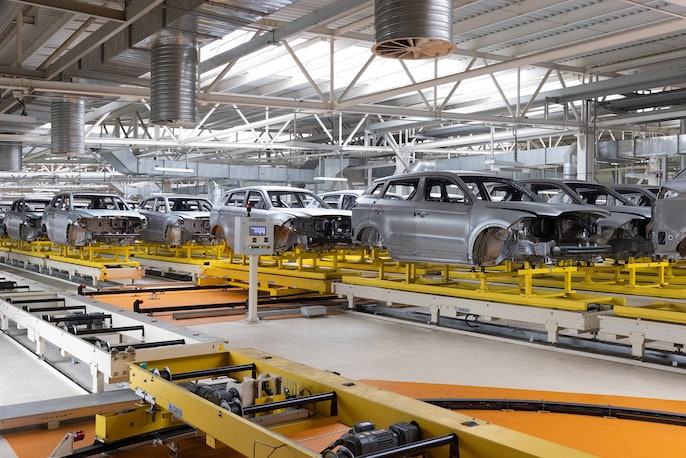
CAFE assesses a manufacturer’s average fuel consumption across eligible vehicles it sells. The target also takes the fleet’s average weight into account. A hatchback and an SUV therefore do not have to meet one identical mileage figure.

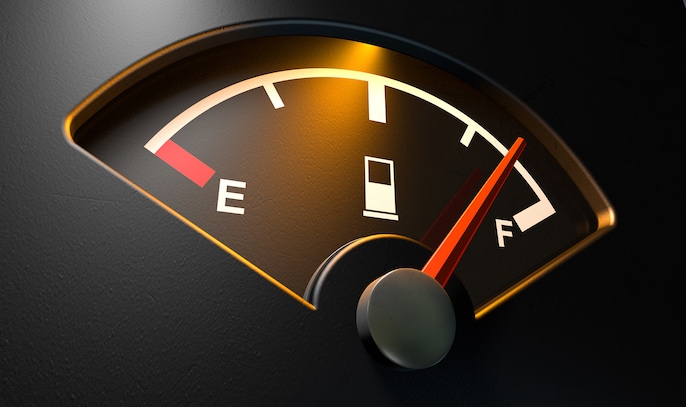
The announced fuel-consumption benchmark falls from 3.996 litres per 100 km in 2027–28 to 3.3273 in 2031–32. These figures feed into the regulatory framework; they do not promise that your next car’s fuel bill will fall by 16.7%.
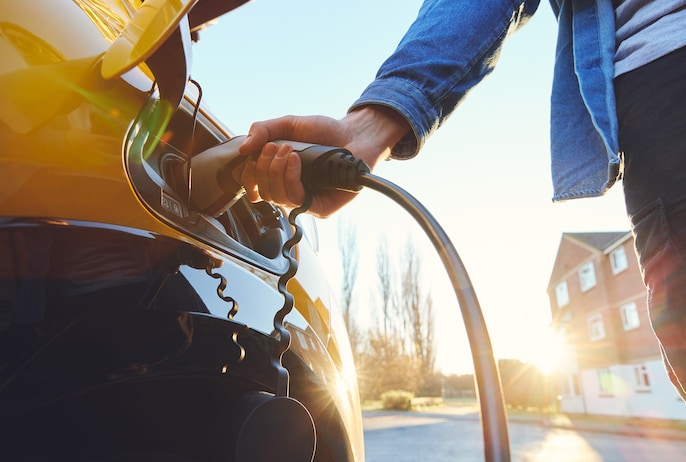
Battery-electric vehicles, range-extended EVs, plug-in hybrids, strong hybrids and flex-fuel vehicles receive additional weighting, called super credits, in fleet calculations. This gives carmakers several technology routes to compliance. These credits apply to manufacturers, rather than operating as a buyer’s cash discount.
The recognised fuel-saving technology list expands from four to twelve. The ministry highlights solar-reflective paint, advanced glazing and efficient air-conditioning. Eligible technologies can earn a 1 g CO₂/km concession each, subject to a combined ceiling of 9 g CO₂/km.
 Oral GLP-1 Drugs: Novo Nordisk, Eli Lilly Eye India Launch In 2027 | Pharma Stocks In Focus
 U.S. Leaves Iraq After 23 Years: Who Will Fill The Power Vacuum?
  IOC Buys Iraqi Crude At $32 Discount: What It Means For Refining Margins & Profitability
 New-Age Stocks: Why Quick Commerce Could Be The Next Big Consumption Opportunity
 CDMO Stocks: Why The Sector Could See Strong Long-Term Growth