








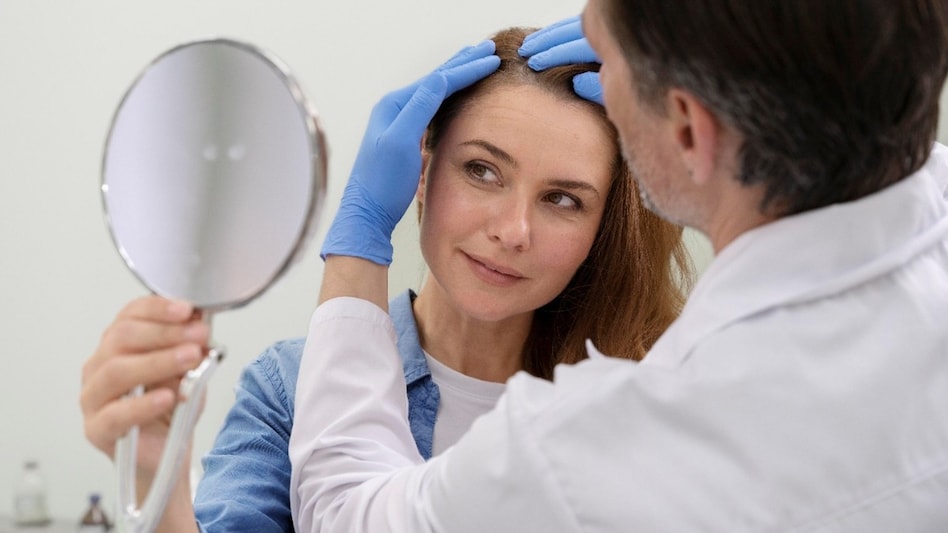
 Hair is built from nutrients like protein, iron, biotin, and zinc. If your body isn’t getting enough-or isn’t absorbing them well-hair fall is likely to follow.Hair is built from nutrients like protein, iron, biotin, and zinc. If your body isn’t getting enough-or isn’t absorbing them well-hair fall is likely to follow.
Hair fall doesn’t happen overnight-and neither does fixing it. If you've been noticing more hair on your pillow, in your shower drain, or thinning around your temples or crown, it's natural to start hunting for a quick fix.
But a truly effective solution often goes deeper than surface-level oils and shampoos. That’s where holistic hair fall treatment comes in.
This guide will walk you through what “holistic” really means, how it works, and why it might be the best path if you're tired of short-term results.
What Does “Holistic” Really Mean?
In simple terms, a holistic approach treats the whole person, not just the symptoms. When it comes to hair fall, this means looking beyond your scalp and into other areas that might be causing the issue, such as:
● Nutrition
● Digestion
● Hormonal balance
● Stress and mental health
● Sleep quality
● Scalp health
Instead of only applying a product to the outside, a holistic method checks what's happening inside the body too.
Why Do Most Topical Treatments Fall Short?
Topical solutions like oils, serums, or hair masks do have their place. They can improve shine, reduce breakage, and soothe the scalp. But if the underlying cause of your hair fall is something internal-like iron deficiency or PCOS-then a surface-level solution won’t be enough.
That's why so many people jump from one product to another without lasting improvement.
Core Elements of a Holistic Hair Fall Treatment Plan
Let’s break down the key parts of a beginner-friendly, holistic approach:
1. Diet and Nutrient Intake
Hair is built from nutrients like protein, iron, biotin, and zinc. If your body isn’t getting enough-or isn’t absorbing them well-hair fall is likely to follow.
What helps:
● Eating iron-rich foods like spinach, lentils, and dates
● Including protein sources like eggs, paneer, or dals
● Adding healthy fats (like ghee, nuts, and seeds) for scalp nourishment
● Drinking enough water to support nutrient transport
2. Gut Health
Even if your diet is great, your body needs to absorb those nutrients properly. Digestive issues like bloating, constipation, or acidity can impact how well your hair gets nourished.
Improving gut health through simple changes-like adding fiber, fermented foods, or reducing junk-can help improve hair strength from within.
3. Hormonal Balance
Conditions like thyroid disorders, PCOS, or post-pregnancy shifts can all lead to hair fall. Hormonal imbalances affect how hair grows and how long it stays in the growth phase.
If your periods are irregular, you’ve gained sudden weight, or feel tired all the time, a hormonal check-up might be useful.
4. Scalp and Follicle Health
While the internal part matters, scalp care still plays a supporting role. A clean, well-nourished scalp provides the right environment for hair growth.
What helps:
● Gentle oiling with anti-inflammatory herbs like bhringraj or amla
● Avoiding harsh chemical-laden shampoos
● Regular scalp massage to boost blood flow
5. Stress Management
Chronic stress can push hair follicles into a resting phase, leading to sudden or long-term shedding. This is called telogen effluvium.
Simple practices like daily walks, journaling, music, or breathing exercises can help reduce cortisol levels and improve your overall health-including your hair.
How to Get Started Without Feeling Overwhelmed
If you’re new to this, don’t worry about fixing everything at once. Start small:
● Add one new iron-rich food to your meals every day
● Swap your shampoo for a gentler, sulfate-free option
● Try 5 minutes of scalp massage twice a week
● Track your sleep and aim for at least 7 hours
As you start seeing improvements in energy, digestion, and hair strength, you can layer on more.
When to Seek Guidance
If you’ve tried basic changes and still see no results after 8–12 weeks, it might be time to consult a professional. Some platforms offer full assessments that look at your health history, bloodwork, and hair patterns to build a personalized plan. One such platform is Traya, which uses a mix of Ayurvedic herbs, nutrition support, and dermatologist inputs to address hair fall from every angle. Their approach isn’t just holistic in theory-it’s structured and rooted in real diagnostics.
Final Thoughts
Holistic treatment isn’t about choosing between modern and traditional approaches. It’s about combining the best of both to understand your hair fall better and treat it at the source.
If you've been stuck in a loop of product-hopping and patchy results, this might be the reset you need. Start by listening to your body-and your hair will follow.
 Iran war: Stock investors pay Rs 23,00,000 crore price for a conflict far from home
 US-Israel-Iran war LIVE Updates: Airfares likely to rise due to higher war risk premiums for West Asia flights
 LPG shortage affects banquet halls, catering services during wedding season
 Iran war: Indian ships allowed to cross Strait of Hormuz
 Atlassian lays off 1,600 employees, including in India, as it ramps up AI investment
 BJP Vs Congress Clash Over LPG Crisis As War Triggers Fuel Supply Concerns
 Can The U.S. Take Control Of The Strait Of Hormuz As Iran Threatens Global Oil And LNG Supply?
 West Asia War Triggers LPG Shortage Across India As Panic Buying Hits Cities
 Reliance Joins $300 Billion Texas Refinery Deal, Boosting India-US Energy Partnership
 Opposition Moves No-Trust Motion Against Speaker Om Birla As Parliament Sees Heated Showdown
 Adani Total Gas shares surge 33% in 3 days; analysts 'divided' on outlook
 Aarti Industries shares jump 6% after securing $150 million deal; key details Iran war: Stock investors pay Rs 23,00,000 crore price for a conflict far from home
 Suzlon, BHEL, Tata Power, Adani Power, JSW Energy, ACME Solar, among 11 stocks to buy; target prices
 NTPC Green, KPI Green, NLC India, JSW Energy, NTPC, Adani Green shares jump; here's why