


 US is alienating its most important emerging ally, says market expert
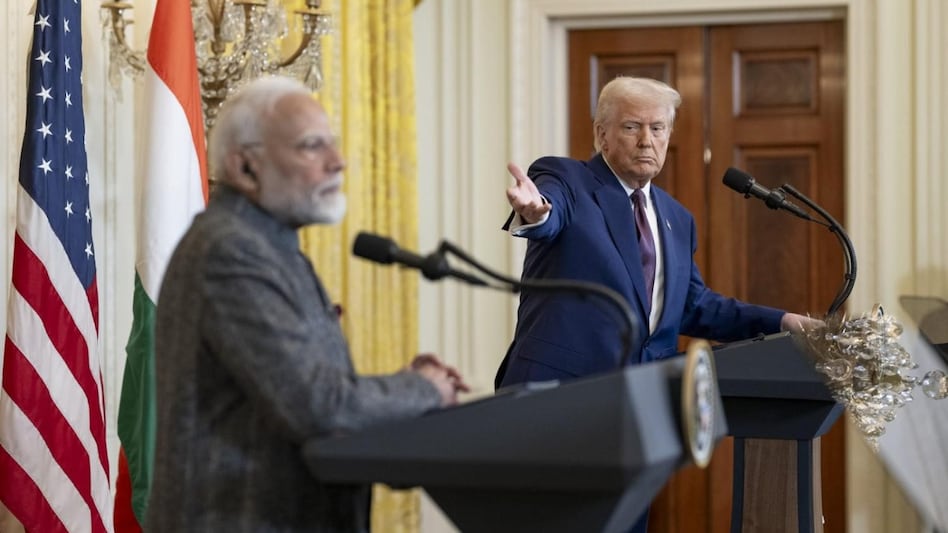
The unequal treatment meted out to India as opposed to China for buying Russian oil will only alienate US’s biggest emerging partner, said market expert, investor and commentator Ajay Bagga. He said Washington’s treatment only sends a signal that it would not penalise violators if they deem them too important.
“By targeting India so forcefully, the US risks alienating one of its most important emerging partners – at precisely the moment when India’s cooperation on technology, defence, and regional security is most needed. By sparing China, Washington sends a message that large-scale violations of the sanctions regime will be tolerated if the violator is too important – or too feared – to punish, reinforcing the cynical perception that US policy is dictated less by principle than by power calculus,” said Bagga.

 BT Big Story: How the FCNR(B) deluge has created two new problems for the RBI
  Tata Sons to be split into smaller entities instead of listing? Here’s what we know
 NSE IPO beats Hyundai, LIC, Paytm in subscription; how 5 largest issues fared
 'Upcoming superpower in Indo-Pacific': V4 countries back India’s UN Security Council bid
 Who is Abhishek Manu Singhvi? The veteran lawyer at the centre of Tata Trusts' fight for control
 Burqa Ban In Italy? Meloni Pushes New Rules On Face Coverings
 Tata Trusts-Tata Sons Row: Harish Salve Explains RBI Rules, Singhvi Flags Shareholder Rights
 Top Legal Eagles Flock To Tata Sons & Tata Trusts As Boardroom Clash Heads To Court
 Over Next Three Years Company Expects To Invest ₹15,000 Cr For Deepwater Exploration
 Tata Sons Listing Row: Shapoor Mistry Backs IPO As Noel Tata Pushes ₹25,000-Crore Plan
 NSE IPO allotment today: Step-by-step guide to check status; allotment odds, GMP & listing date
 GRSE shares in focus as board approves expansion plan, more details
  GIFT Nifty up 46 points; Pine Labs, Waaree, ONGC, GRSE, Lumino, Symbiotec among top stocks in focusNSE IPO beats Hyundai, LIC, Paytm in subscription; how 5 largest issues fared
 Manipal Health clears ₹5,310 crore debt using IPO proceeds, eyes expansion & technology pushNSE IPO allotment today: Step-by-step guide to check status; allotment odds, GMP & listing date
 Petrol, diesel prices today, September 22: Check latest rates in Delhi, Mumbai, Chennai, Kolkata & moreTata Sons to be split into smaller entities instead of listing? Here’s what we knowGRSE shares in focus as board approves expansion plan, more details GIFT Nifty up 46 points; Pine Labs, Waaree, ONGC, GRSE, Lumino, Symbiotec among top stocks in focus












