


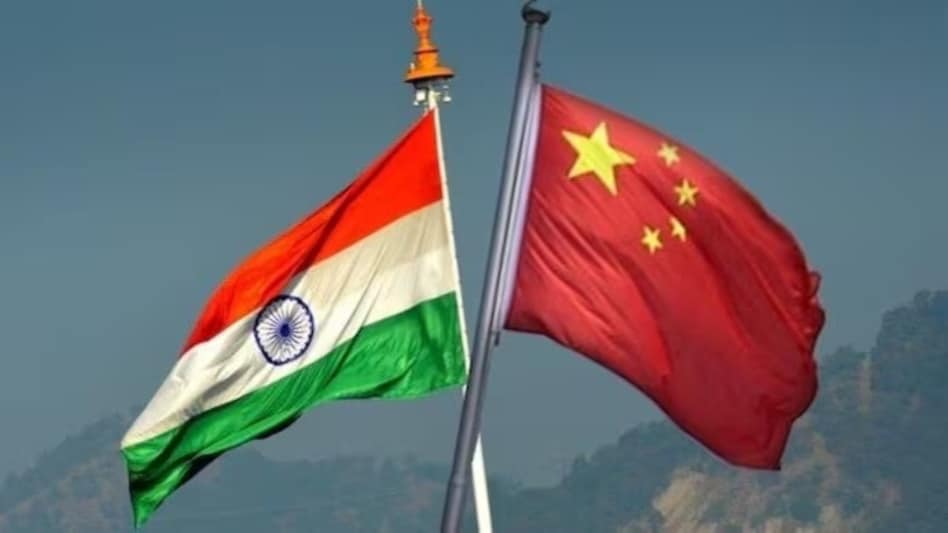
 The editorial insists that “a healthy and stable development of China-India relations aligns with the common interests of both sides.”
China’s state-run Global Times reignited economic tensions with India, branding the country a “graveyard for foreign investment” after a stunning 99% collapse in FDI inflows—accusing New Delhi of chasing global relevance with hype, not substance.
In an editorial, the Global Times referenced Indian media reports showing that in May 2025, India’s net foreign direct investment dropped 99% month-on-month and 98% year-on-year. The editorial frames the plunge as yet another signal that India’s much-hyped rise as an economic alternative to China may be faltering under the weight of weak infrastructure, erratic policies, and global investor skepticism.

 Delhi airport gets its third runway operational; optimise aircraft movement
 Disney taps Indian-origin former Character.AI CEO Karandeep Anand as its first CTO. Who is he?
 Strait of Hormuz crisis: Why the world’s energy system has not buckled yet - McKinsey explains
 Gold at $5,000 by mid-2027? The forces behind the longer-term outlook
 IndiGo CEO eyes fleet revamp in aggressive push to transform Delhi into global mega-hub: Report
 Gold vs Silver Investment Strategy: Is This The Right Time To Buy For Long-Term Returns?
 Corporate Vs Personal Health Insurance: Which Is Better On A Budget?
 Gold Price Outlook: Why Gold Could Rise Despite Global Interest Rate Hikes | Silver Market Update
 Health Insurance: Why Claim Settlement Ratio Is Not Enough When Choosing The Right Insurer
 “Unacceptable And Unprofessional”: MEA Rejects Pakistan’s Claims Over INS Kolkata Collision
 Jindal Supreme, SS Retail, Hero Motors IPOs subscribed up to 181 times on final day; details here
 Sensex, Nifty post sixth weekly loss; TCS, Titan among top laggards, slip up to 4%
 How AI collapse could benefit Indian equity market; Jefferies' Christopher Wood explains
  Banks are no more secular growth story, prefer NBFCs: Chris Wood
 Jefferies' Christopher Wood sees gold at $10,000 'sooner or later'; likes India's small, midcaps
 Travelling by train? Western Railway diverts 5 trains from Sept 19; check new routes, stopsDisney taps Indian-origin former Character.AI CEO Karandeep Anand as its first CTO. Who is he?Strait of Hormuz crisis: Why the world’s energy system has not buckled yet - McKinsey explainsDelhi airport gets its third runway operational; optimise aircraft movement
 'New phone, same old bills...': Sonu Sood reacts to iPhone 18 launch hype, calls for 'society upgrade'












