


 According to the International Energy Agency, China currently dominates the global refining capacity for these minerals, controlling between 47% and 87% across key materials.
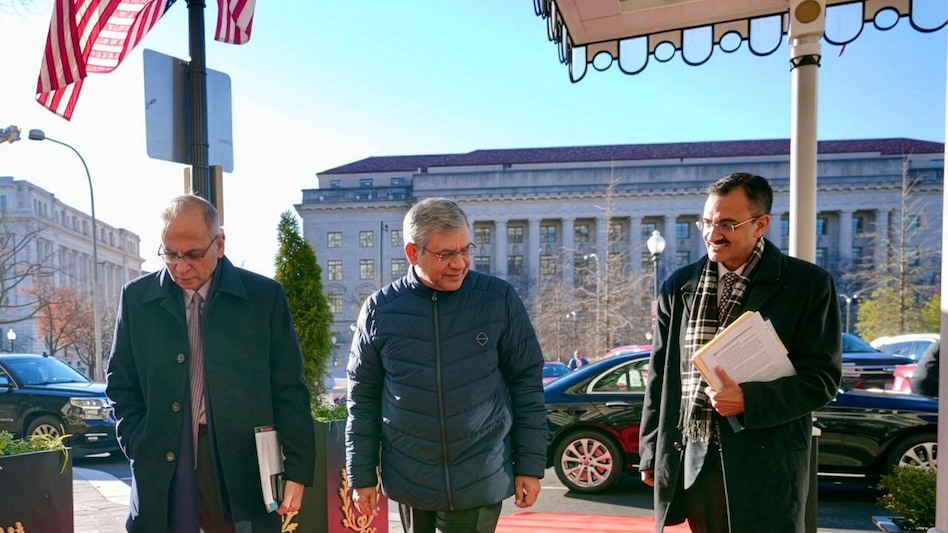
Union Minister for Railways, Information & Broadcasting, and Electronics & Information Technology Ashwini Vaishnaw has arrived in Washington to participate in the G7 Critical Minerals Ministerial Meeting scheduled for January 12, a key gathering aimed at securing global supply chains for strategic resources.
In a post on X (formerly Twitter), Vaishnaw said, “Arrived in Washington, DC. Will participate in the Critical Minerals Ministerial Meeting tomorrow. Secure critical mineral supply chains are vital for our goal of Viksit Bharat.”

 ‘Welcome the decision wholeheartedly’: Shapoorji Pallonji on RBI’s decision on Tata Sons listing; full text
 NSE IPO: India's largest exchange gets 55% subscription on Day 2 so far; NIIs, employee portions fully booked
 NSE IPO, Hero Motors IPO, SS Retail IPO, Jindal Supreme IPO: GMP of four ongoing issues rises up to 32%
 Noel Tata at the centre of Tata Sons board tussle: A look at his 40-yr career, educational qualification and more
 India's births fall to 1974 levels: EAC-PM urges India to end old population control rules now
 FMCG Vs Pharma Stocks: Which Sector Has Better Growth Potential?
 100% Tariff Threat: Why Trump’s Russia Bill Puts India, China In Focus
 Tata Sons Succession Battle: Noel Tata, Tata Trusts & Shapoorji Pallonji Stake Sale Explained
 Tata Group Crisis: Stocks Fall As Leadership Uncertainty Rattles Investors
 Canada Gets EU ‘Associate Member’ Offer As Carney Seeks Deeper Ties Beyond U.S.
 Gold prices: Weak dollar, central bank buying may trigger next big move, says Vandana Bharti
 Responsive Ind shares drop 5% as board shelves buyback proposal
 Avalon Technologies shares hit record high on MOFSL estimates
  Cupid, Avalon, Pine Labs, ACME Solar, Groww, Belrise: FTSE rebalancing, inflow preview
 Vedanta share price jumps as board okays up to Rs 3,500 crore worth NCDsGold prices: Weak dollar, central bank buying may trigger next big move, says Vandana BhartiResponsive Ind shares drop 5% as board shelves buyback proposalFMCG Vs Pharma Stocks: Which Sector Has Better Growth Potential?100% Tariff Threat: Why Trump’s Russia Bill Puts India, China In Focus
 Anthropic’s AI security tool hacked OpenAI systems and accessed employee credentials: Here’s what happened












