


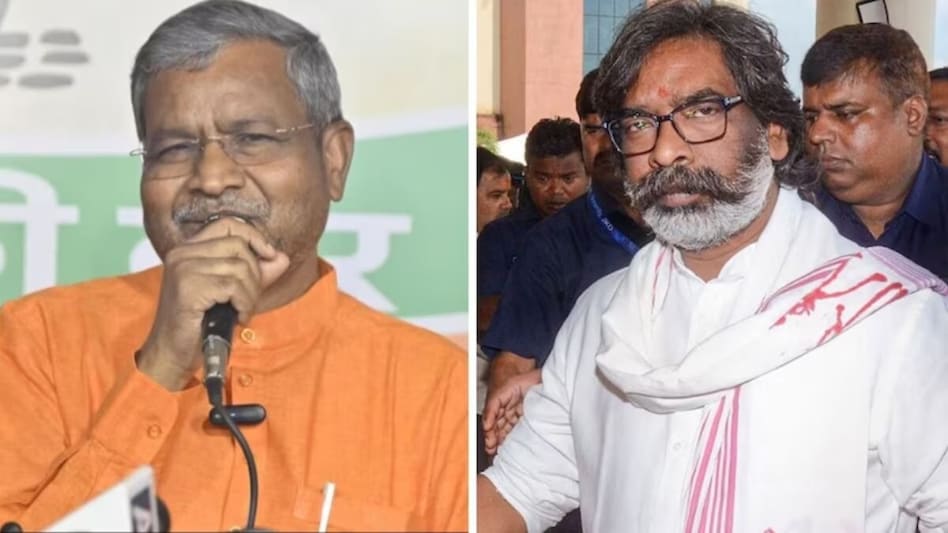
 Eighteen of the 38 constituencies voting on November 20 are in the politically significant Santhal Paragana region, which comprises six districts.
High-pitched campaigning concluded on Monday for the second and final phase of the Jharkhand assembly elections, with 38 of the total 81 seats set to go to polls on November 20. The elections pit the ruling Jharkhand Mukti Morcha (JMM)-led INDIA bloc against the BJP-led National Democratic Alliance (NDA) in a closely fought contest. The first phase of polling was held on November 13.
Key Constituencies in Focus

 'Kolkata has become a city of old age pensioners': FM Swapan Dasgupta on Bengal's decline and skill shortage
 Trump made 1,000-plus trades in June: Here's what he bought and sold
 Escalating Hormuz crisis: Boris Johnson sees India as key to US exit strategy in Iran
 Gold jewellery to property: Radhika Gupta on what actually counts as an investment
 H1N1 outbreak: No cause for panic, currently circulating strain not a new one, says ICMR
 Commuted Vs Uncommuted Pension: Know The Difference And How Each Is Taxed After Retirement
 Motor Insurance Add-Ons You Actually Need Explained: Zero Depreciation, RSA & Return-To-Invoice
 No Claim Bonus Explained: When Should You Claim Or Pay For Repairs Yourself?
 Motor Insurance Premium: What Factors Determine How Much You Pay?
 How Is Retirement Income Taxed For Senior Citizens? Key Rules Explained
 Hold YES Bank, Federal Bank; buy HDFC Bank, Kotak Mahindra, Axis: ICICI SecuritiesTrump made 1,000-plus trades in June: Here's what he bought and sold
 ABH Healthcare IPO: Check key dates, price band, issue size, latest GMP, listing details & more
 India stocks lag global markets in 2026: BofA data shows 9.1% decline in USD terms
 'FOMO, fixed return': SEBI proposes revamped ad code for bond portals from misleading investorsH1N1 outbreak: No cause for panic, currently circulating strain not a new one, says ICMRGold jewellery to property: Radhika Gupta on what actually counts as an investment
 He left Bihar with ₹1,000. Six years later, he won a ₹3.5 crore Georgetown scholarship
 Landmark hit: Iranian hackers pull off historic cyber attack to paralyze British power plant Commuted Vs Uncommuted Pension: Know The Difference And How Each Is Taxed After Retirement












