


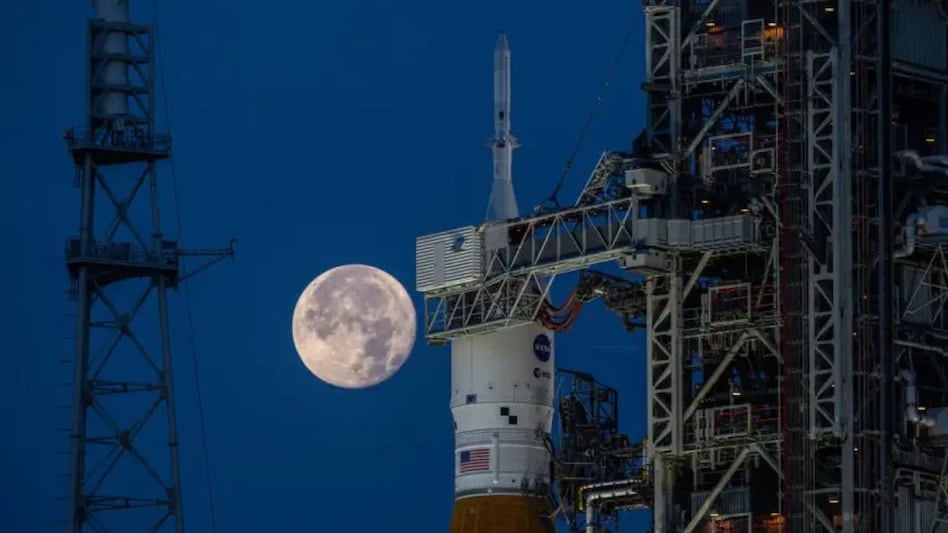
 India working towards Moon landing, space station by 2040
India is working towards landing its astronauts on the Moon by 2040, with a parallel plan to build its own space station by the same timeline, former Indian Space Research Organisation chief A S Kiran Kumar said on Wednesday.
"Between now and 2040 there are a whole lot of missions which are going to go into space activities. So, 2040 is a plan where we want to land Indians on the Moon and bring them back safely. India is also working towards building a space station by 2040," Kumar said while speaking at the inauguration of the fifth Astronomical Society of India (ASI) Symposium.

 Mehli Mistry steps down from Tata Medical Centre Trust board, marks 6th exit from group entities
 Global debt hits $365 trillion: Why inflation masks the world’s rising debt burden
 'Going to look very different in 365 days': US Labor Dept watchdog warns amid H-1B crackdown
 El Niño's weather paradox: How one climate event causes floods and droughts
 EPFO ₹25,000 ceiling: How much PF will be deducted from your salary from October 2026?
 R Veeramani Case: Granite Tycoon Faces Widening POCSO Probe In Chennai
 Gen Z And Money: Why Young Investors Want Quick Returns Over Long-Term Wealth Creation
 How Is Alexa+ Different? Will It have Ads Even If You Pay? Exclusive Chat
 Demand Robust Across Segments | Production To Ramp Up, Exports To Expand: Vivek Srivatsa
 GST Council To Meet On October 7: Invoice Matching, ITC & UPI MDR Tax In Focus
 IPO rush: Four IPOs conclude today; check subscription status, other details of issues still open
 Meesho shares slip 7% as Nomura assigns 'reduce' call; here's what the brokerage says
  Sensex, Nifty extend losing streak to seventh week, longest since 2020: What's next?
 Suzlon in bear grip: Oversold signals emerge near 52-week low for the stock
  EIL shares jump 7% to hit record high; stock up nearly 62% in six months: What's driving the rise?
 Weather alert: Monsoon begins retreat; western disturbance brings rain to UP, Uttarakhand & DelhiMehli Mistry steps down from Tata Medical Centre Trust board, marks 6th exit from group entities
 10 missing after avalanche hits Himlung Himal base camp in Nepal, heavy snowfall & rain hits region
 ‘No UPI Day’: CAIT factchecks claims for October 2, calls reports ‘misleading’
  Fired for sleeping in a sauna? UK techie wants ₹964 crore compensation












