


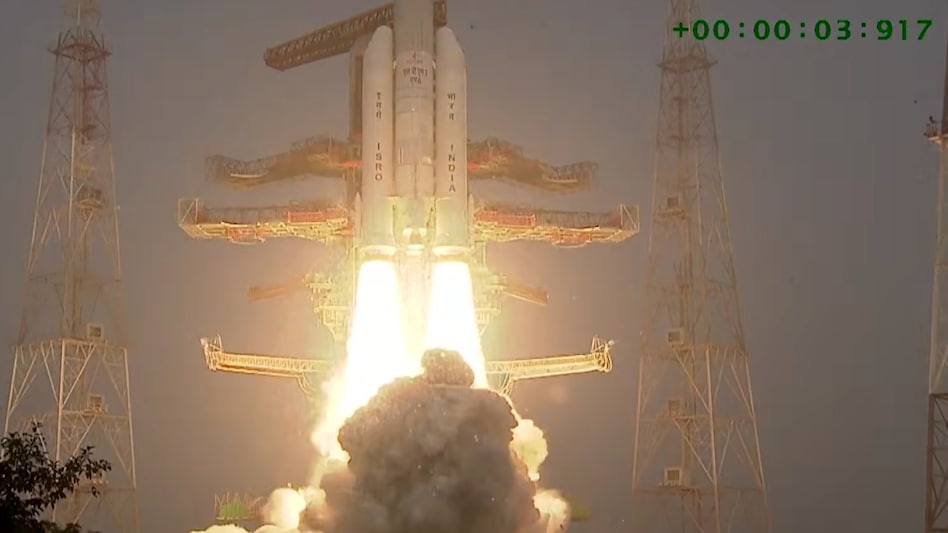
 LVM3-M6 / BlueBird Block-2 Mission
The Indian Space Research Organisation (ISRO) has successfully launched the LVM3-M6 rocket from Satish Dhawan Space Centre in Sriharikota. The rocket carries the US communication satellite, BlueBird Block-2, marking a major milestone for India’s commercial spaceflight programme. Here’s everything you need to know about the LVM3-M6 / BlueBird Block-2 mission, and why it is a big deal.
LVM3-M6 / BlueBird Block-2 Mission: What’s it about?

 CAS case: JPMorgan unit likely to argue Sebi breach was technical, says report
 $1 now costs 2 million rial: Iran's currency hits historic low amid fresh US sanctions
 Skyways Air IPO: Tech, global diversification to drive growth; debt reduction a key focus, says CMD
 RVNL shares a buy? Accumulate railway stock as valuations cool, says Kranthi Bathini
 Auto, auto ancillary stocks: Is it time to book profits? What Centrum's Nilesh Jain says
 Market Masters | Aniruddha Sarkar On Top Sectors, Market Outlook & Where To Invest
 Daily Calls: Ask Your STOCK MARKET TODAY QUERIES | Market Update | Share Market News Today
 All About Debt Funds: Types Of Debt Funds & How To Invest | Mutual Fund Guide | Money Today
 “India Can Attract Global Space Talent Like A Magnet”: PM Modi To Startup CEOs
 CM Yogi Responds To Rahul Gandhi Over Manusmriti Remarks, India's Youth, And Heritage
 Cupid's Aditya Kumar Halwasiya ups stake to 33.53%; buys 11 lakh sharesAuto, auto ancillary stocks: Is it time to book profits? What Centrum's Nilesh Jain says
 This mid-cap metal stock zooms 15% on Rs 2,700 crore order announcement; do you own?RVNL shares a buy? Accumulate railway stock as valuations cool, says Kranthi Bathini
 Godrej Industries announces Rs 20,000 crore Haryana MoU; stock reacts
 “Work In India, Invest In India”: Commerce & Industry Minister Piyush Goyal’s Global Business Pitch
 Delhi-NCR waterlogging: ITO, Munirka, NH-48, Noida among areas hit by heavy rain, traffic chaos
 Bullish Crossovers In Broader Mkt; Internet, Auto Sectors Lead
 34,000 Recruitments With No Corruption? CM Dhami On Uttarakhand’s Paper Leak Crackdown
 How Uttarakhand Is Building A Startup Ecosystem: CM Dhami At BTIndia@100












