


 The pact also modifies the definition of ‘Fees for Technical Services’ by aligning it with the definition in India US Double Taxation Avoidance Agreement and expands the scope of ‘Permanent Establishment’ by adding Service PE.
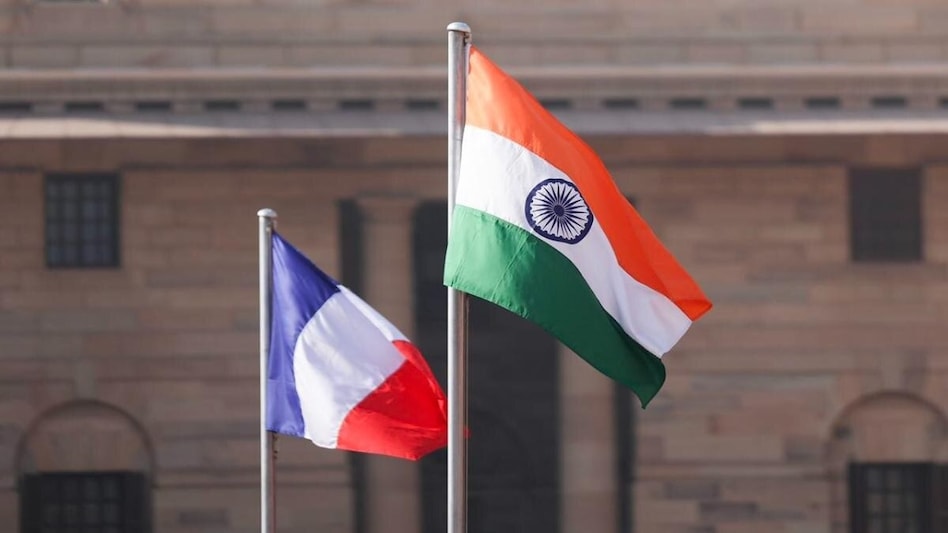
India and France have amended the double taxation avoidance convention and have deleted the so-called Most-Favoured-Nation (MFN) Clause from the Protocol to the DTAC, which is expected to bring to rest all issues relating to it.
A statement from the Central Board of Direct Taxes (CBDT) explained that the Amending Protocol provides full taxing rights in respect of capital gains arising from the sale of shares of a company, to the jurisdiction where such company is a resident.

 NDA explores holding joint polls in 22 states, UTs in 2029: Report
 ABH Healthcare IPO: Check key dates, price band, issue size, latest GMP, listing details & more
 Cargo vessel with 20 Chinese crew sinks near Odisha; Coast Guard deploys 3 ships for rescue ops
 'Asked too much, offered too little': Carney on why Canada suspended US trade talks
 Trump doubles down on Hormuz claim, shares map calling strait 'NEW US Territory'
 No Claim Bonus Explained: When Should You Claim Or Pay For Repairs Yourself?
 Motor Insurance Premium: What Factors Determine How Much You Pay?
 How Is Retirement Income Taxed For Senior Citizens? Key Rules Explained
 Rental Income Tax: 3 Key Deductions Every Senior Citizen and Property Owner Should Know
 Meta’s $200 Billion Trial: Did Instagram & Facebook Keep Kids Hooked?
 ABH Healthcare IPO: Check key dates, price band, issue size, latest GMP, listing details & more
 India stocks lag global markets in 2026: BofA data shows 9.1% decline in USD terms
 'FOMO, fixed return': SEBI proposes revamped ad code for bond portals from misleading investors
 Crompton Greaves says no plan to sell stake, expects revenue to double by FY31
 Gaja Alternative Assets IPO: 3 ways to check application status; allotment odds, GMP, listing dateNDA explores holding joint polls in 22 states, UTs in 2029: ReportNo Claim Bonus Explained: When Should You Claim Or Pay For Repairs Yourself?Motor Insurance Premium: What Factors Determine How Much You Pay?
 Petrol, diesel prices today, August 23 : Check latest rates in Delhi, Mumbai, Chennai, Kolkata & more
 LPG, CNG, PNG prices today, August 23 : Check latest rates in Delhi, Mumbai, Jaipur, other cities












