


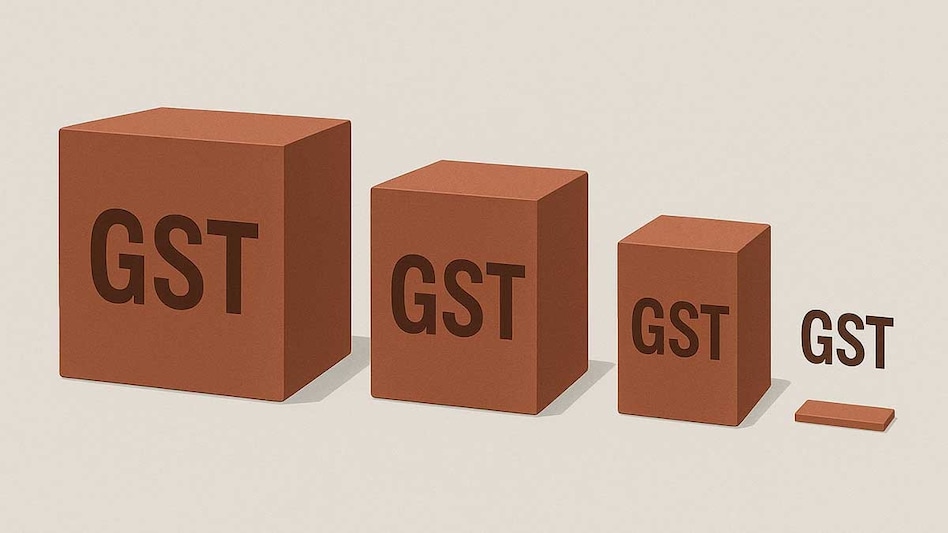
 The biggest hit, he noted, will come from four sectors alone — cement, electronics, automobiles, and insurance
Kerala Finance Minister K N Balagopal has warned that the state will lose between Rs 8,000 crore and Rs 10,000 crore annually following the rationalisation of Goods and Services Tax (GST) rates approved on Wednesday.
Speaking at a media briefing in New Delhi on Thursday, Balagopal underlined that while the state supports the cuts that make goods cheaper, the Centre must step in to protect state revenues. "Kerala supports GST rate cuts that will reduce prices, but compensation should be provided for states. Unfortunately, the issue was not taken seriously during the GST Council meeting," he said.

 Anthropic says Claude now leads 26% of its AI R&D work: How fast is AI development accelerating?
 100% tariffs immediately? What Trump’s new Russia sanctions law means for India
 Russian oil & gas purchase: Trump signs Bill into Act targeting 100% tariffs on India, China
 'Tatas today are the face of India...': Former Solicitor General Harish Salve backs Tata Sons public listing
  Trump’s announces Greenland deal with Denmark: What it means for US military presence
 Corporate Vs Personal Health Insurance: Which Is Better On A Budget?
 Gold Price Outlook: Why Gold Could Rise Despite Global Interest Rate Hikes | Silver Market Update
 Health Insurance: Why Claim Settlement Ratio Is Not Enough When Choosing The Right Insurer
 “Unacceptable And Unprofessional”: MEA Rejects Pakistan’s Claims Over INS Kolkata Collision
  Commodity Trading For Beginners: How MCX & NCDEX Work | Trading Basics | Money Today
 Jindal Supreme, SS Retail, Hero Motors IPOs subscribed up to 181 times on final day; details here
 Sensex, Nifty post sixth weekly loss; TCS, Titan among top laggards, slip up to 4%
 How AI collapse could benefit Indian equity market; Jefferies' Christopher Wood explains
  Banks are no more secular growth story, prefer NBFCs: Chris Wood
 Jefferies' Christopher Wood sees gold at $10,000 'sooner or later'; likes India's small, midcaps
 MDR on UPI: 'Unanimous report was submitted,' says Parl finance panel chief on Manish Tewari's claims
 Is Europe preparing for war? Macron Russia warning, drone fears & UK emergency adviceCorporate Vs Personal Health Insurance: Which Is Better On A Budget?Anthropic says Claude now leads 26% of its AI R&D work: How fast is AI development accelerating?Gold Price Outlook: Why Gold Could Rise Despite Global Interest Rate Hikes | Silver Market Update












