There are three or four things that we are doing in this. Number one is that we now have a large number of new data sources that will improve the robustness and accuracy of the estimates. Second, we will capture the structural changes in the economy which have happened over the past decade because of this new data sources and the changes that we are doing, and also the availability about different aspects of the economy. The third is methodological changes which are very important to ensure that there is inter comparability across countries. The fourth is that international standards and definitions change over time and we are incorporating those in our new GDP estimates. A combination of these four aspects is what will ensure that the data quality further improves. Our numbers have always been robust, but there could be some areas where improvements were necessary, and that is what we have done in this.
What are the changes in methodology and new data sources that are being used in the series?
Post Digital India, we have so much more real time data available about the economy. For example, GST is one of the largest data sources which gives an idea of the consumption patterns at a very granular level. We have a host of other administrative data, like e-vahan, which gives an idea of the usage of road and transport and other digital data from the railways, airfares. We also collect data through surveys about the household sector and the informal sector. We have done the annual survey of unincorporated sector enterprises (ASUSE) for three years. We bring out a monthly periodic labour force survey (PLFS). In both these cases -- the PLFS or the ASUSE, we were using indicators in the previous series as we only conducted the surveys in the base year, and we did not have the advantage of having annual surveys. We periodically do an All-India Debt and Investment Survey, a Time Use Survey and the Household Consumption Expenditure Survey, all of which are needed for the GDP calculations.
One of the concerns with the GDP data is that it largely captures the formal economy. Will the new series capture the informal sector better?
The formal sector is easier to capture due to the availability of annual reports of companies. The unincorporated sector, the informal sector, is always a problem, and because it is large in India, it becomes all the more important to be able to capture it better. Even in the previous estimates, we used to do a survey in the base year and then look at the growth in the different sectors and activities, and then other indicators that we had, and then move the estimates based on the growth figures of these indicators and other proxies that we have. Now we have an ASUSE and GST data which is not restricted to the formal sector. Further, because of the payments data that we have, other digital transactions we have, we have a better sense of the economy, and therefore the capturing of this data is so much better.
What about data on e-commerce and the gig economy?
On the gig economy, or e-commerce, the transactions which are done on formal platforms get reflected in the annual reports of companies. To get an idea of how many people are engaged in the gig sector, in our surveys we have added information about how many people are engaged in that sector, whether they might be doing it from their homes or they are going somewhere. Even on the consumption side, in our HCES, we had included information about the percentage of purchases that are being made from e-commerce platforms. In ASUSE, we collect information on the use of the digital platforms, the use of the Internet in sales. So, from all this, we get a fair idea of the extent of the gig economy and what is happening with e-commerce.
How frequently will the base year revision be done?
The international norm is about to do it every about five years or so and we hope to stick to it going forward. We could not do it earlier due to some of the changes such as GST and then the Covid pandemic. 2022-23 was the first normal year after Covid, and that's when we did HCES, and which we used for the revision of the base year of the consumer price index and now for GDP. We must remember that this is the ninth revision of the GDP base year we are doing. It’s been done more or less at a frequency of five to seven years, and we expect to stick to that.
Will the exercise take care of the concerns raised by the IMF on India’s data quality?
One of the main issues which had been by the IMF raised is that our base year had become outdated. It's 2011-12. We are correcting that. Apart from that, there were certain technical or statistical methodological issues that had been raised on double deflation and discrepancy and how we estimate the informal sector. We have addressed these issues and given the combination and the methodological changes we are doing, we think that it becomes even more robust.
How far will the new series impact the Budget estimates on GDP growth?
The estimates even in the earlier series were quite robust have been used in the Budget. Minor changes always expected. We don't see any substantial, large changes happening which would necessitate any change in the estimates that have been prepared.
The ministry has done the CPI base year revision. You will release the new GDP base on February 27 and then the revised base year series for the Index of Industrial production in May. Does that mean that India's macroeconomic data set revision will be over for this cycle?
These are the three major macroeconomic indicators, inflation, GDP and the IIP, which are getting revamped. We have already revamped our labour and employment data, which we bring out on a monthly basis as per the international norm. We bring out an annual survey of industries, which looks at the formal manufacturing sector. We already have for the past three years the ASUSE. The only data gap in this was the formal service sector. So this year, we are also starting an annual survey of the incorporated service sector enterprises. These three and the surveys that are already being published, and the one that we are starting now, would ensure that we have a much more complete and accurate and granular information about the economic status, which will definitely help decision making going forward, which will help to identify areas where interventions are needed, and those interventions will then be possible.



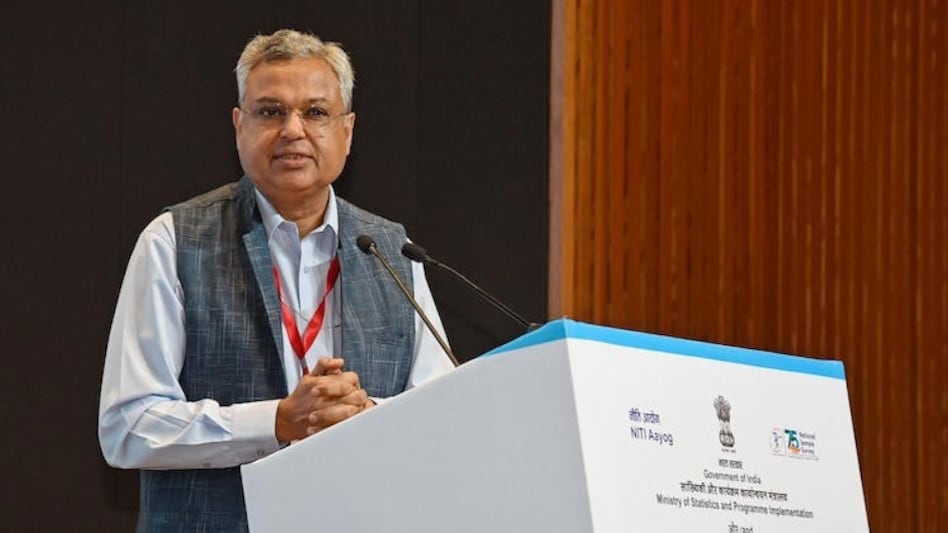 Saurabh Garg, Secretary, Ministry of Statistics and Programme Implementation
 Will RBI raise interest rates in October? Here’s what experts have to say
 Bitter Friday for Nestlé: Russia seizes assets as Moscow targets Western firms over Ukraine support
 West Asia impact: Saudi Aramco halts European crude allocations after East-West pipeline attack
 Tata Electronics partners with Japanese, Malaysian firms to boost semiconductor manufacturing in India
 From selling gold to spending ₹3.5 lakh: iPhone 18 Pro fever hits India as fans queue up on sale day
 “Unacceptable And Unprofessional”: MEA Rejects Pakistan’s Claims Over INS Kolkata Collision
  Commodity Trading For Beginners: How MCX & NCDEX Work | Trading Basics | Money Today
 US Fed Rate Hikes A Headwind For Foreign Flows? | Jibi Jacob | Jefferies
 ₹25 Billion FII Outflow: What Could Bring Foreign Investors Back? | Jefferies' Jibi Jacob
 India’s Private CapEx Picks Up: Christopher Wood On The Market Outlook
 Jindal Supreme, SS Retail, Hero Motors IPOs subscribed up to 181 times on final day; details here
 Sensex, Nifty post sixth weekly loss; TCS, Titan among top laggards, slip up to 4%
 How AI collapse could benefit Indian equity market; Jefferies' Christopher Wood explains
  Banks are no more secular growth story, prefer NBFCs: Chris Wood
 Jefferies' Christopher Wood sees gold at $10,000 'sooner or later'; likes India's small, midcaps
 Mumbai’s 100-year-old Taj hotel makes world’s top 50, jumps 8 places
 12,500 feet! Man drives e-rickshaw to Spiti Valley, documents epic Himalayan trip
 Tata Sierra Legend Series starts at ₹11.99 lakh: What Indian SUV buyers get in each new L variant in India
 Asian Games 2026 begins in Japan: India’s stars, events and how to watch live
 Who is Rajesh Rawani? Jharkhand truck driver behind 'R Rajesh Vlogs' and luxury truck












