


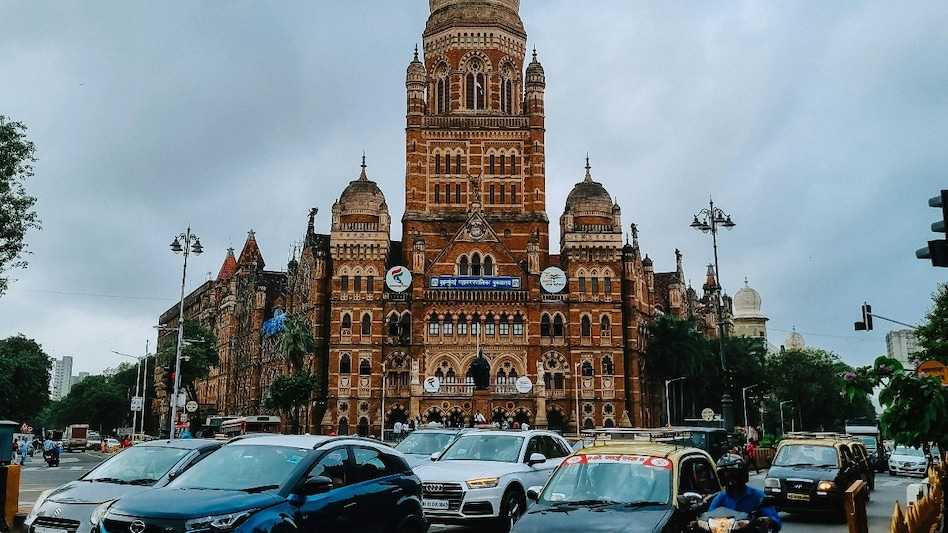
 Winning control of a wealthy civic body like BMC means influence over major urban decisions and a stronger platform for broader political ambitions.
As counting began on Friday morning, the Bharatiya Janata Party (BJP) and its ally Shiv Sena surged ahead in the high-stakes Brihanmumbai Municipal Corporation (BMC) elections, according to early trends from 210 of Mumbai’s 227 wards.
The civic polls are significant as they will pave the way for the election of Mumbai’s Mayor and a fully elected municipal House, ending nearly three years of rule by an administrator since 2022. Beyond political control, what is at stake is command over India’s richest civic body. On February 4, 2025, the BMC presented its ₹74,427-crore budget for FY2025-26, its largest-ever outlay — nearly 14% higher than the previous year’s estimates.

 India believes in multilateralism but is not waiting for it: FM Nirmala Sitharaman
 Balrampur Chini, EID Parry, Dalmia Bharat, Shree Renuka Sugars: Sugar stocks fall up to 7% today; here's why
 Tata Sons reviews its Articles of Association to meet SEBI listing regulations: Report
 BT BIG STORY: Why young global scholars are returning to teach at India's B-schools
 Amazon plans potential 5,000 job cuts, 15 warehouse closures in New York: Report
 Banking Stocks in Focus: ICICI, HDFC, Axis and PSU Banks | What's Next?
 Yes Bank Faces ₹5,200 Crore Hit Over AT1 Bonds | Should Investors Stay Cautious?
 Reliance Shares at 18-Month Low: Is a Big Re-Rating Ahead? Deven Choksey Explains
 Deven Choksey Analysis On Jio IPO: Should You Subscribe Or Not?
 Kolkata Durga Puja Stampede: Families Mourn Victims, Demand Accountability
 Jio Platforms IPO: Deven Choksey sees double-return potential in 4-5 years
 Federal Bank shares rise 5% as NPAs hit decadal low, brokerages on price targets
  Cupid promoter Aditya Halwasiya buys stake in PC Jeweller; stock jumpsBalrampur Chini, EID Parry, Dalmia Bharat, Shree Renuka Sugars: Sugar stocks fall up to 7% today; here's why
 PNB shares hit seven-month high as Q2 earnings beat estimates; check price targets Jio Platforms IPO: Deven Choksey sees double-return potential in 4-5 yearsBanking Stocks in Focus: ICICI, HDFC, Axis and PSU Banks | What's Next?Yes Bank Faces ₹5,200 Crore Hit Over AT1 Bonds | Should Investors Stay Cautious?Reliance Shares at 18-Month Low: Is a Big Re-Rating Ahead? Deven Choksey ExplainsFederal Bank shares rise 5% as NPAs hit decadal low, brokerages on price targets












