


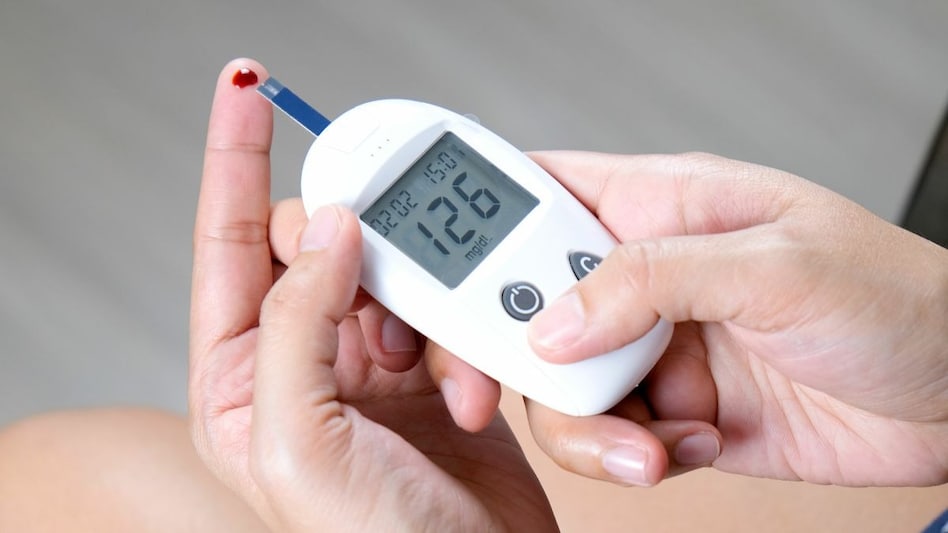
 Semaglutide is a GLP-1 receptor agonist used to treat type 2 diabetes and, at higher doses, chronic weight management by lowering blood sugar levels and reducing appetite.
Lining up branded generic versions of semaglutide ahead of its patent expiry in March, Indian drugmakers are preparing differentiated offerings, from reusable delivery devices and multiple dose strengths to obesity centres and patient-support programmes. The impending launches suggest that this will not be a conventional price-led generic entry, but a broader push to capture share in a fast-expanding metabolic care market.
Sun Pharmaceutical Industries, Zydus Lifesciences, Dr Reddy’s Laboratories and Eris Lifesciences, through its partnership with Natco Pharma, have either secured regulatory approvals or announced plans to launch immediately after patent expiry.
Semaglutide is a GLP-1 receptor agonist used to treat type 2 diabetes and, at higher doses, chronic weight management by lowering blood sugar levels and reducing appetite. Sold globally by Novo Nordisk under the brands Ozempic and Wegovy, semaglutide generated more than $30 billion in 2024 sales, transforming the treatment for diabetes and obesity.
In India, where around 8.9 crore adults live with diabetes, according to the International Diabetes Federation, and nearly one in four adults is overweight or obese, GLP-1 therapies are emerging as one of the most closely tracked segments within the roughly ₹14,000-crore diabetes drug market, according to estimates by Mordor Intelligence.
Industry analysts say the wave of semaglutide launches marks an important inflection point for Indian pharma. “The planned entry by companies such as Zydus, Dr Reddy’s and Eris show a deliberate shift into complex peptide manufacturing and high-value injectable therapies,” said Salil Kallianpur, pharma analyst.
“GLP-1 drugs are among the fastest-growing global therapy segments. Indian companies positioning themselves here point to a structural upgrade in capability and ambition.”
Kallianpur added that the opportunity extends beyond the domestic diabetes and obesity market. “Scaling peptide synthesis and sterile injectable infrastructure strengthens India’s competitiveness in regulated markets and helps diversify revenues away from commoditised oral generics. If executed well, this could reinforce India’s standing not merely as a volume generics supplier, but as a reliable hub for complex, high-technology therapeutics.”
He cautioned that execution risks continue to exist. “Pricing pressure is inevitable once multiple players enter. Navigating global patent landscapes, regulatory scrutiny and cold-chain logistics will require disciplined execution. Margins may initially be attractive, but long-term sustainability will depend on scale, compliance credibility, and cost efficiency.”
Sun Pharma has received approval from the Drugs Controller General of India (DCGI) to manufacture and market generic semaglutide injection following a Phase III clinical trial conducted in India. The company will introduce the drug under two brands, Noveltreat for chronic weight management and Sematrinity for Type 2 diabetes, after patent expiry. The product will be available in five dose strengths and administered through a prefilled pen.
“We are committed to improving access to generic semaglutide across the country after the patent expiry,” said Kirti Ganorkar, Managing Director, Sun Pharma.
Zydus Lifesciences plans to launch semaglutide under the brands SEMAGLYN, MASHEMA and ALTERME on Day 1 of patent expiry. Its key differentiator is an indigenously developed reusable, adjustable pen device that allows patients to select varying dose strengths from a single unit, potentially reducing therapy costs and improving adherence.
“By introducing a first-of-its-kind drug delivery mechanism in India, we plan to simplify the treatment,” said Dr Sharvil Patel, Managing Director, Zydus Lifesciences.
Dr Reddy’s Laboratories is positioning its entry around what it calls a “beyond-the-pill” strategy. The company also plans to launch generic semaglutide on Day 1 and is simultaneously building a broader ecosystem that includes Obesity Centres of Excellence, physician education, nutritional products tailored for GLP-1 users and structured patient-support initiatives.
“The product alone is not the only need,” said M V Ramana, CEO, Branded Markets, India and Emerging Markets, Dr Reddy’s Laboratories. He said the company conducted internal assessments to identify awareness gaps among physicians, dose titration challenges and issues patients face during therapy. “We are going beyond the pill,” he added.
Eris Lifesciences has partnered with Natco Pharma, which has received approval from the Central Drugs Standard Control Organisation (CDSCO) to manufacture generic semaglutide for India. The launch is expected in March.
“Semaglutide represents one of the most significant therapeutic advances in metabolic care in recent years,” said Amit Bakshi, Chairman and Managing Director, Eris Lifesciences.
Industry observers expect pricing pressure once multiple players enter a market that remains largely out-of-pocket. Sheetal Sapale, Vice President, Commercial at Pharmarack, said generic entry in India typically leads to prices falling to one-third to one-fifth of the innovator product, with volumes rising three to five times in the initial months before stabilising.
Dr Reddy’s Ramana acknowledged that pricing would need to remain competitive. “If it is not competitive, and being an out-of-pocket product, then the usage of the product would not be as much,” he said.
As prices moderate, clinicians expect broader adoption in appropriate patient groups. “With prices expected to decline by 40 to 50 per cent, affordability will improve significantly, potentially widening access for patients who were previously unable to consider this therapy. Semaglutide is increasingly being positioned as an early-line treatment in diabetes care, particularly for patients with obesity, cardiovascular disease, or renal impairment,” said Dr Anoop Misra, Chairman of Fortis C-DOC Centre of Excellence for Diabetes.

 Exam reforms: Tech titan Nandan Nilekani picked by PM Modi to fix national public examination system
  'Tax officers struggled for own land': Nirmala Sitharaman slams laidback attitude of govt depts
 CBDT issues new crypto reporting guidance: No new tax, but exchanges must track and report all transactions
 Did Cockroach Janta Party's 'Chalo Sansad' 2.0 threat trigger Dharmendra Pradhan's resignation? What we know so far
 'Will discharge my responsibilities with complete humility': Pralhad Joshi after being appointed Education Minister
 AI Data Centers, Aerospace & Gas Turbines: What's Powering Indo-MIM's Future Growth?
 Best Healthcare Stocks: Gaurang Shah's Outlook On Apollo Hospitals, Fortis & The Manipal Health IPO
 Is Indo-MIM's IPO Valuation Justified? Here's Why The Company Sees Strong Growth Ahead
 Treasury Bills Explained: Why T-Bills Are One Of The Safest Short-Term Investment Options
 FDs vs Markets: Where Should You Keep Your Short-Term Money?
 Gland Pharma stock: Price target of Rs 3,250 likely in medium term, says analyst
  Metal recycling stocks to buy: Gravita, Pondy Oxides, Jain Resource among top picks
 TRIL shares: Should you average the falling stock? Here's 'fixed and final' stop loss
 Adani Power: 45 GW target, Rs 2 lakh crore capex plan among conference call highlights
  ITC Hotels, Chalet, Ventive, IHCL, SAMHI: Hotel stocks to buy despite travel disruptions
 Beyond mutual funds: Why analysts see SBI Funds' alternative asset business as a long-term growth engine
 'Ashamed of it...': Manoj Muntashir calls Adipurush his biggest mistake, seeks country's forgiveness Exam reforms: Tech titan Nandan Nilekani picked by PM Modi to fix national public examination system 'Tax officers struggled for own land': Nirmala Sitharaman slams laidback attitude of govt depts
 Delhi targets traffic bottlenecks on Aruna Asaf Ali Marg with ₹1.97 crore elevated road study









