


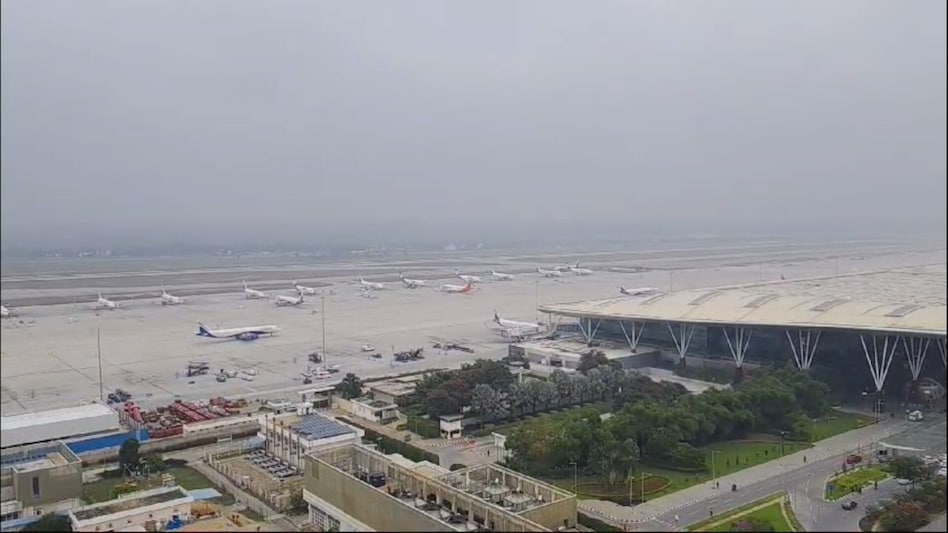
 DGCA audit finds worn tyres, unserviceable reversers at major airports
The Directorate General of Civil Aviation (DGCA) conducted comprehensive surveillance at major airports, including Delhi and Mumbai, as part of a focused safety audit, the Ministry of Civil Aviation said on Tuesday. Two DGCA teams, led by the Joint Director General, carried out the surveillance during night and early morning hours, the ministry said. The audit covered key areas such as flight operations, airworthiness, ramp safety, air traffic control (ATC), communication and navigation systems, and pre-flight medical checks.
One of the most serious findings was the recurrence of previously reported technical defects on multiple aircraft. According to the statement, the DGCA stated that these repeat issues indicated ineffective monitoring and inadequate rectification procedures by maintenance teams. In one instance, a domestic flight operated by a scheduled carrier had to be cancelled due to worn-out tyres. The aircraft was cleared to fly only after the necessary rectification was completed.

 Anthropic says Claude now leads 26% of its AI R&D work: How fast is AI development accelerating?
 100% tariffs immediately? What Trump’s new Russia sanctions law means for India
 Russian oil & gas purchase: Trump signs Bill into Act targeting 100% tariffs on India, China
 'Tatas today are the face of India...': Former Solicitor General Harish Salve backs Tata Sons public listing
  Trump’s announces Greenland deal with Denmark: What it means for US military presence
 Corporate Vs Personal Health Insurance: Which Is Better On A Budget?
 Gold Price Outlook: Why Gold Could Rise Despite Global Interest Rate Hikes | Silver Market Update
 Health Insurance: Why Claim Settlement Ratio Is Not Enough When Choosing The Right Insurer
 “Unacceptable And Unprofessional”: MEA Rejects Pakistan’s Claims Over INS Kolkata Collision
  Commodity Trading For Beginners: How MCX & NCDEX Work | Trading Basics | Money Today
 Jindal Supreme, SS Retail, Hero Motors IPOs subscribed up to 181 times on final day; details here
 Sensex, Nifty post sixth weekly loss; TCS, Titan among top laggards, slip up to 4%
 How AI collapse could benefit Indian equity market; Jefferies' Christopher Wood explains
  Banks are no more secular growth story, prefer NBFCs: Chris Wood
 Jefferies' Christopher Wood sees gold at $10,000 'sooner or later'; likes India's small, midcaps
 MDR on UPI: 'Unanimous report was submitted,' says Parl finance panel chief on Manish Tewari's claims
 Is Europe preparing for war? Macron Russia warning, drone fears & UK emergency adviceCorporate Vs Personal Health Insurance: Which Is Better On A Budget?Anthropic says Claude now leads 26% of its AI R&D work: How fast is AI development accelerating?Gold Price Outlook: Why Gold Could Rise Despite Global Interest Rate Hikes | Silver Market Update












