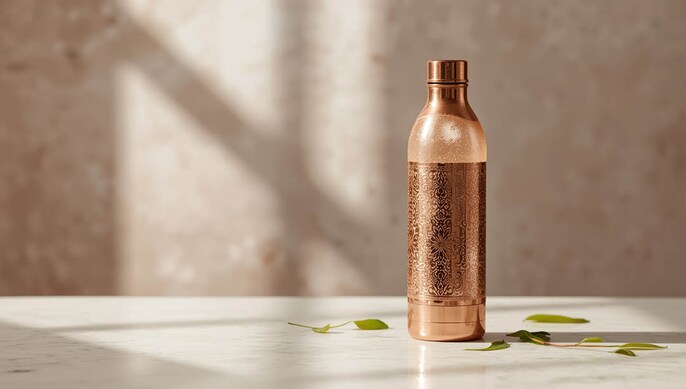
Leave water resting in copper overnight and an invisible war breaks out. Copper ions puncture bacterial cell walls, wiping out E. coli and Salmonella with a ruthlessness hospitals still study. Scientists call it “contact killing,” a low-tech defense that quietly works while you sleep—if you don’t push it too far.
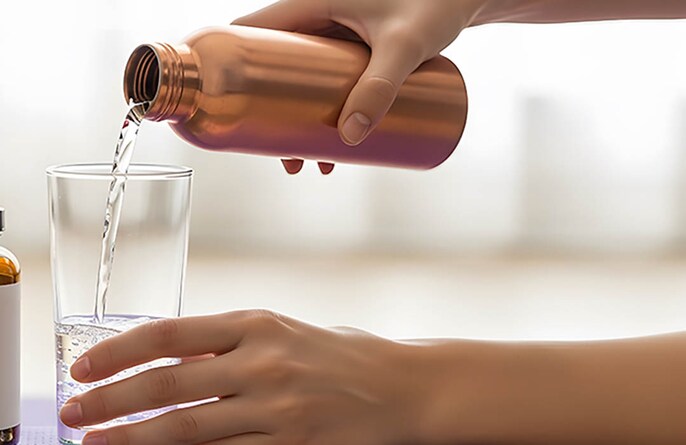
Ayurveda praises copper water as a tonic for digestion, immunity, even glowing skin. Modern nutrition agrees copper matters—but the leap from essential mineral to miracle cure is shakier. The real story sits between tradition, enzyme chemistry, and expectations inflated far beyond the evidence.

The same copper that cleans water can quietly poison it. Acidity, heat, and time accelerate leaching, pushing copper levels past the World Health Organization safety line. Nausea, cramps, and metallic taste are the body’s early warning sirens—often ignored.
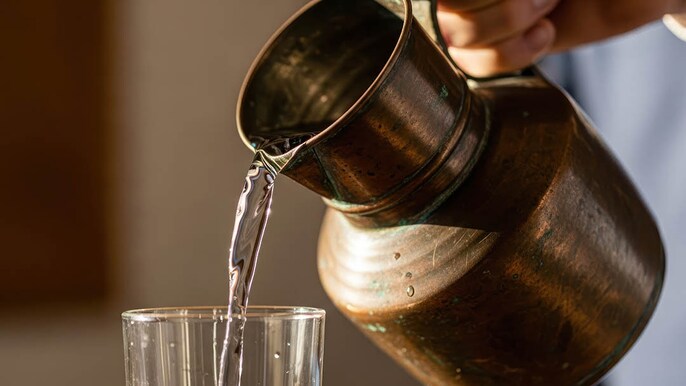
For most people, copper is manageable. For some, it’s risky. Those with Wilson’s disease, liver stress, pregnancy, or supplement-heavy diets sit closer to toxicity’s edge. Copper bottles don’t advertise this—but biology doesn’t offer refunds for overuse.
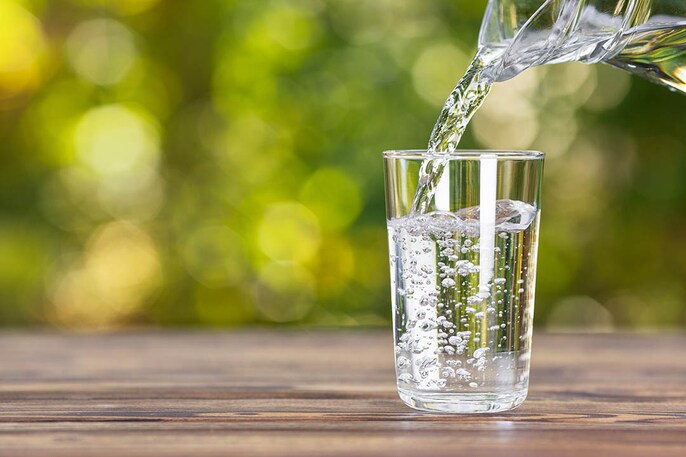
Glass plays Switzerland. It doesn’t react, leach, or flavor-shift your water, whether it’s lemon-infused, ice-cold, or steaming tea. That chemical silence is its superpower, making it the default choice for people who want hydration without side effects.
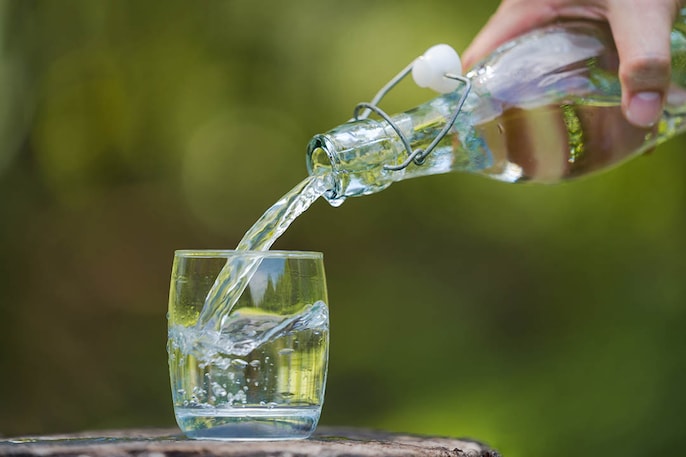
Here’s the twist: glass bottles can still shed microplastics. Not from the glass—but from painted plastic caps scraping and twisting during use. Studies find tiny polymer flecks floating in drinks marketed as “pure,” turning a clean image into a complicated reality.
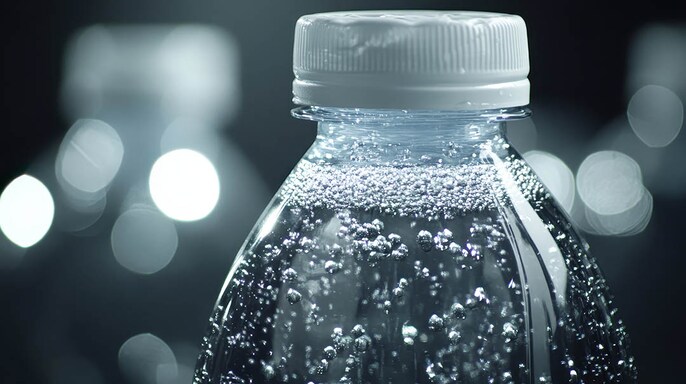
Those microplastic particles—often polyethylene—are born from friction, not negligence. Every twist of a cap grinds invisible debris into your drink. The fix isn’t dramatic, just deliberate: metal or silicone lids, wide mouths, and fewer painted surfaces.
Copper bottles shine when water safety is uncertain—treks, emergencies, developing regions. Glass shines at home. One fights microbes aggressively; the other avoids chemistry altogether. The real decision isn’t which is “healthier,” but where and how you drink.

Copper won’t cure IBS. Glass isn’t magically plastic-free. Bottle debates thrive on absolutes, but health lives in nuance: duration, volume, cleaning habits, and context. The smartest choice isn’t loyalty—it’s rotation, restraint, and realism.
 Commodity Outlook: Gold & Silver Prices Set To Rebound — Should You Invest? | Money Today
 U.S. Spy Chief In Moscow? Secret C-17 Flight Sparks Mystery Over Ukraine Peace Talks
 Mohan Bhagwat In New York: Mamdani’s RSS Attack Sparks Political Showdown
 Gurugram’s Monsoon Crisis: Garbage-Choked Badshahpur Drain Turns Millennium City Into Flood Zone
 India Market Outlook: Why Global Yields, Not Crude, Could Derail The Earnings Recovery