












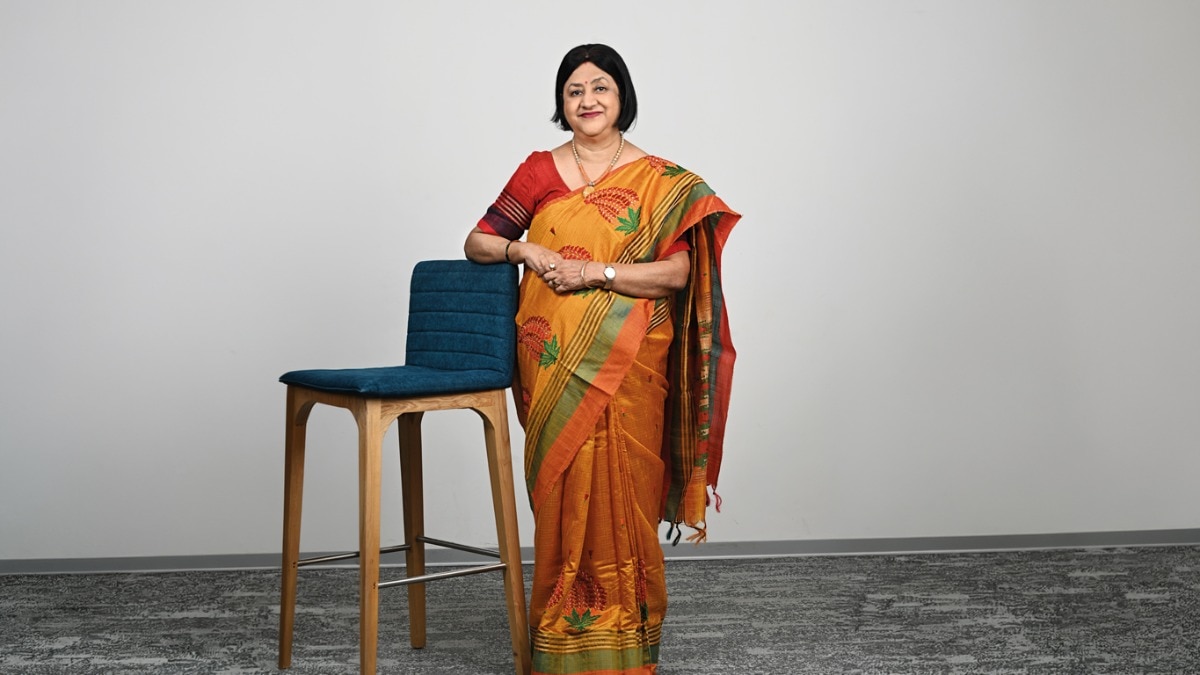
Arundhati Bhattacharya watches a lot of Netflix. “It could be any web series,” she says. Her favourite right now is Sullivan’s Crossing, a heartwarming series focused on neurosurgeon Maggie Sullivan, who flees a scandal in Boston to her rural Nova Scotia hometown. A welcome break in view of the challenging task Bhattacharya has set for herself—to grow Salesforce into a force to reckon with in the digital world. Before joining Salesforce as Chairperson for South Asia, she was the Chairperson of State Bank of India (SBI), the country’s largest bank.
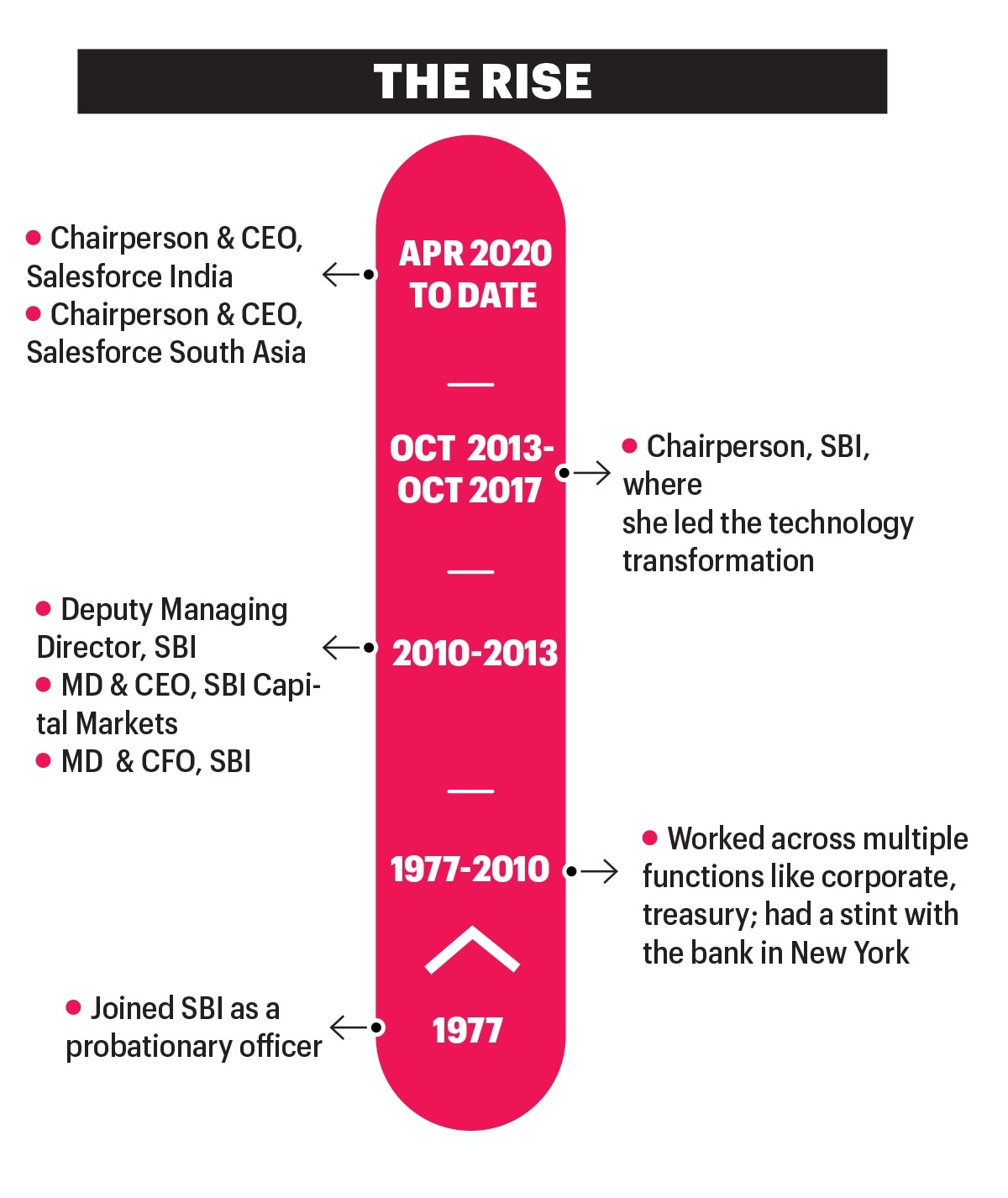
From her first day of professional employment in 1977 with SBI, this post-graduate in English literature, who spent her formative years in Bhilai and then Bokaro, has never treaded the safe path. After four decades with SBI, she is equally at home in the world of AI-driven customer relationship management.
A bunch of small, big things
In the lives of most professionals, a few instances make all the difference. For Bhattacharya, it was an assignment in Kharagpur, when she led a team for the first time. Her boss was in Burdwan, a good 130 km away, and in a world without mobile phones, it was quite an experience. Decisions had to be taken quickly, by the person on the ground.
“I faced a strongly unionised branch, and it taught me a lot about negotiation. I learnt how to do a lot with limited resources,” she says, sitting in her office in Mumbai’s Bandra Kurla Complex. Later, she moved to the US for a stint in New York and took the “extremely tough” decision to send her daughter back home for a year. At that point, her aunt was a great source of support. “I still don’t know if I took the right decision.”
Then, there was a stint as chief general manager for new businesses based out of Mumbai. “Opening a new business in a public sector bank is not easy but it turned out to be the most productive period of my life,” she says. For one, Bhattacharya had to deal with a new set of regulators. “Till then, it was only the Reserve Bank of India. Now, for a private equity fund, I had to talk to Sebi and RBI, and for general insurance, IRDAI; to operationalise the fund management company, I also interacted with PFRDA.”
That set her up for other new assignments, one of them being SBI Capital Markets. “The SBI name opened a lot of doors. But once you are out of the bank, it’s different,” she says. Admitting it was a “rude shock,” she says even for the government, she represented SBI Cap and not SBI. Nothing deterred her, though, and she used the stint as a training ground.
Bhattacharya says one should always take a chance to head an organisation regardless of its size. “It is an invaluable lesson you can never get even if you are a managing director. Unless you are the chairman, it is not possible.”
The Big Ones
In October 2013, Bhattacharya moved into the corner office at SBI. The best was yet to come. Reaching the pinnacle is a proud moment, though she is a little philosophical about it. “It is a little lonely and, therefore, it is important to keep your friends close. Many people will tell you what you want to hear but you must have a close set of friends to tell you the truth,” she says. Growing into the role also meant being open-minded. Bhattacharya narrates how one of her managing directors gave her handy advice. “When you start a conversation or bring up a point, you must be the last one to speak. If you speak first, the others may not have an opinion.”
“If someone has a view on a subject, I should be open-minded enough to listen to it. And if that view is reasonable, I must change my stance,” she says.
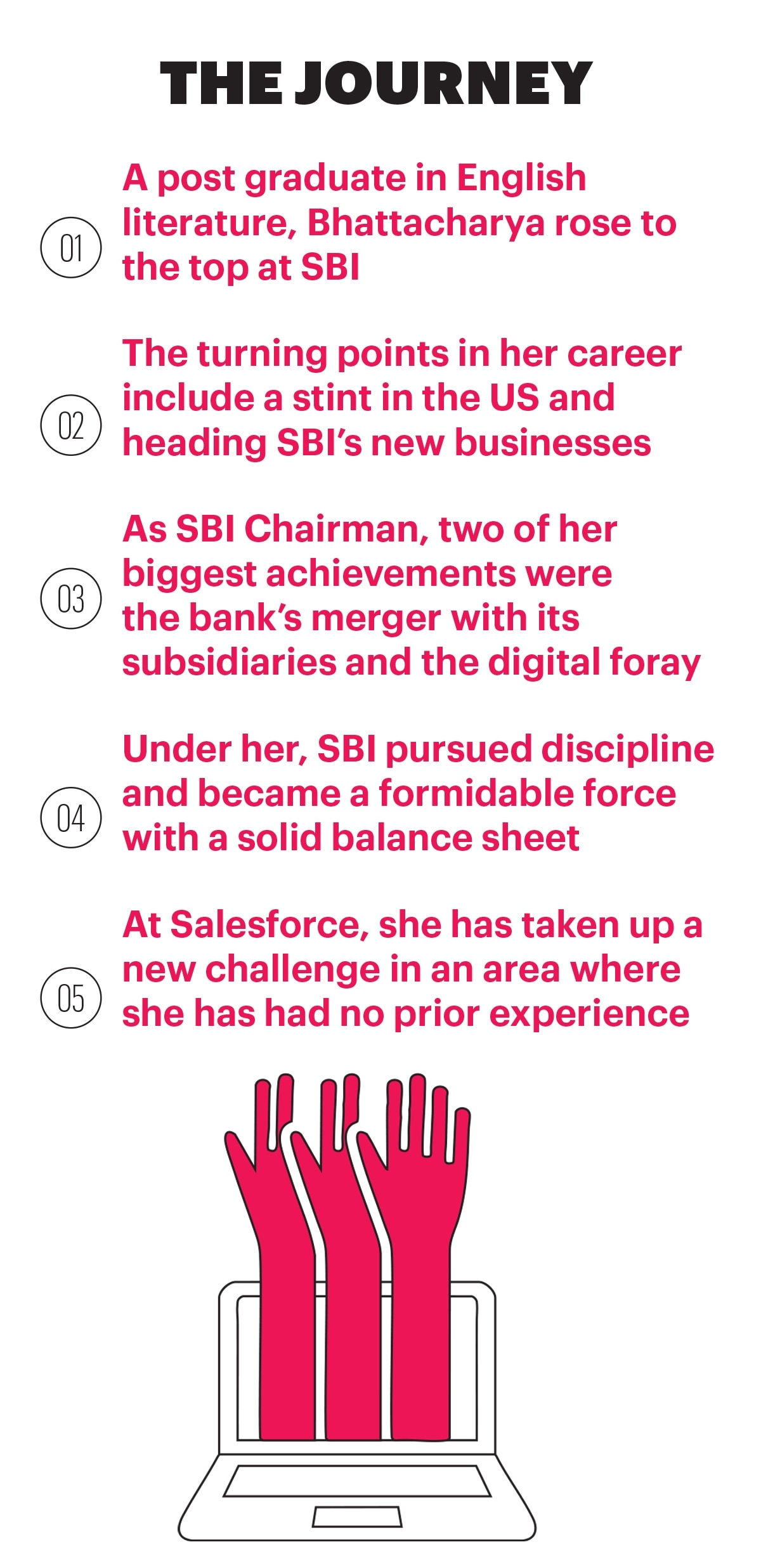
These skills were put to good use during SBI’s merger with five associate banks and Bharat Mahila Bank. She says it was not a popular decision; the team was not too comfortable with the move. “It was a huge task and these six banks together would have been bigger than the second largest at that point in time. You were merging a really big bank into yourself, and that too in six pieces, all in one day,” she says.
There was more than one sound rationale for the merger. Bhattacharya says it did not make sense for one entity to own six banks. “We were undercutting each other. There was duplication at many levels.” An example: three floors in a multi-storied building occupied by three banks belonging to SBI.
Bhattacharya recollects hearing about the possible merger when she joined the bank. That was decades ago. “I thought it was time and went for it,” she says. Ensuring that the customer faced no hitches was important. Bhattacharya recalls one person who had an account with State Bank of Mysore and used internet banking on the day of the merger. “He wrote to me that the experience was seamless and was very pleased with the outcome.”
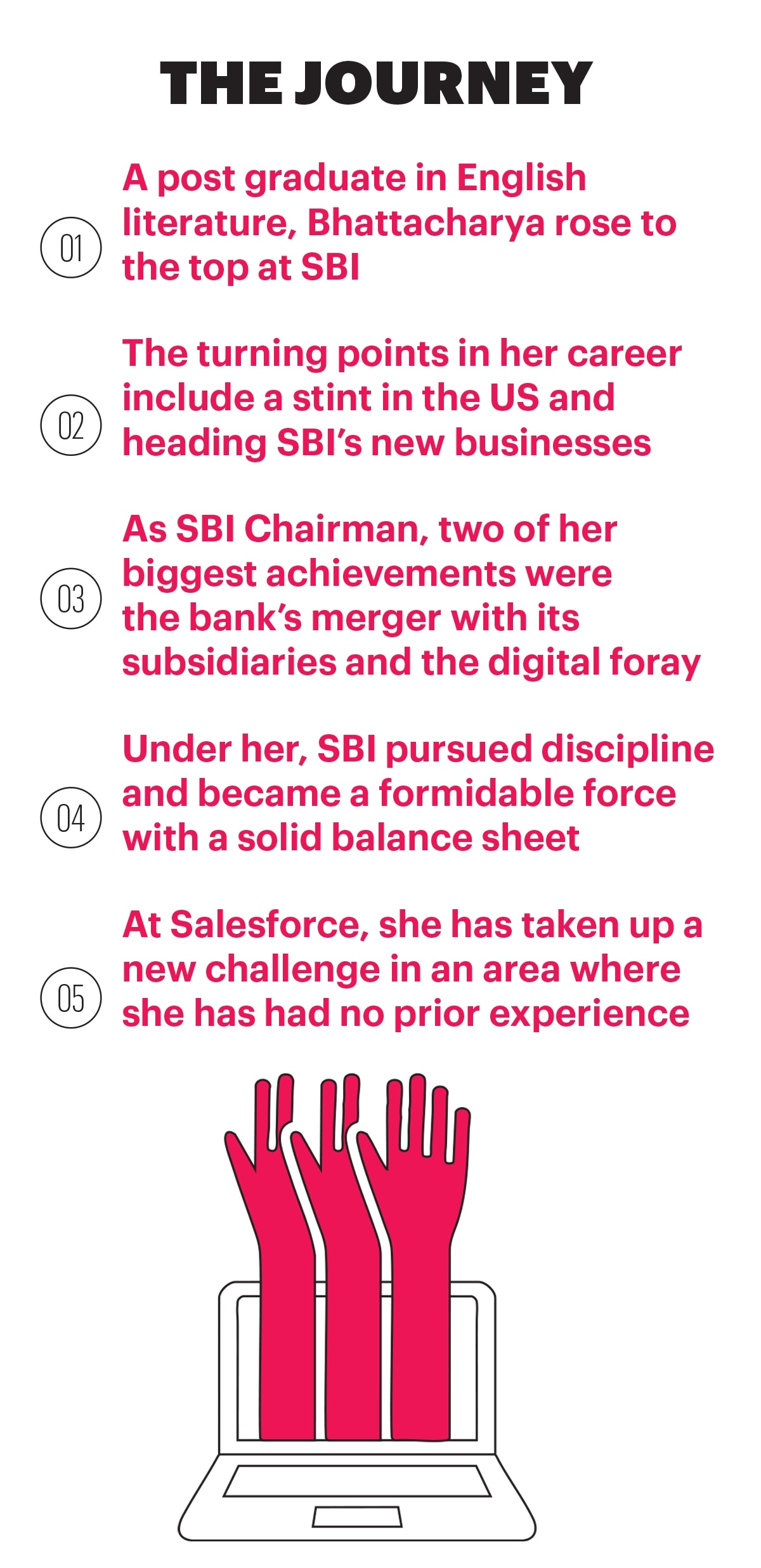
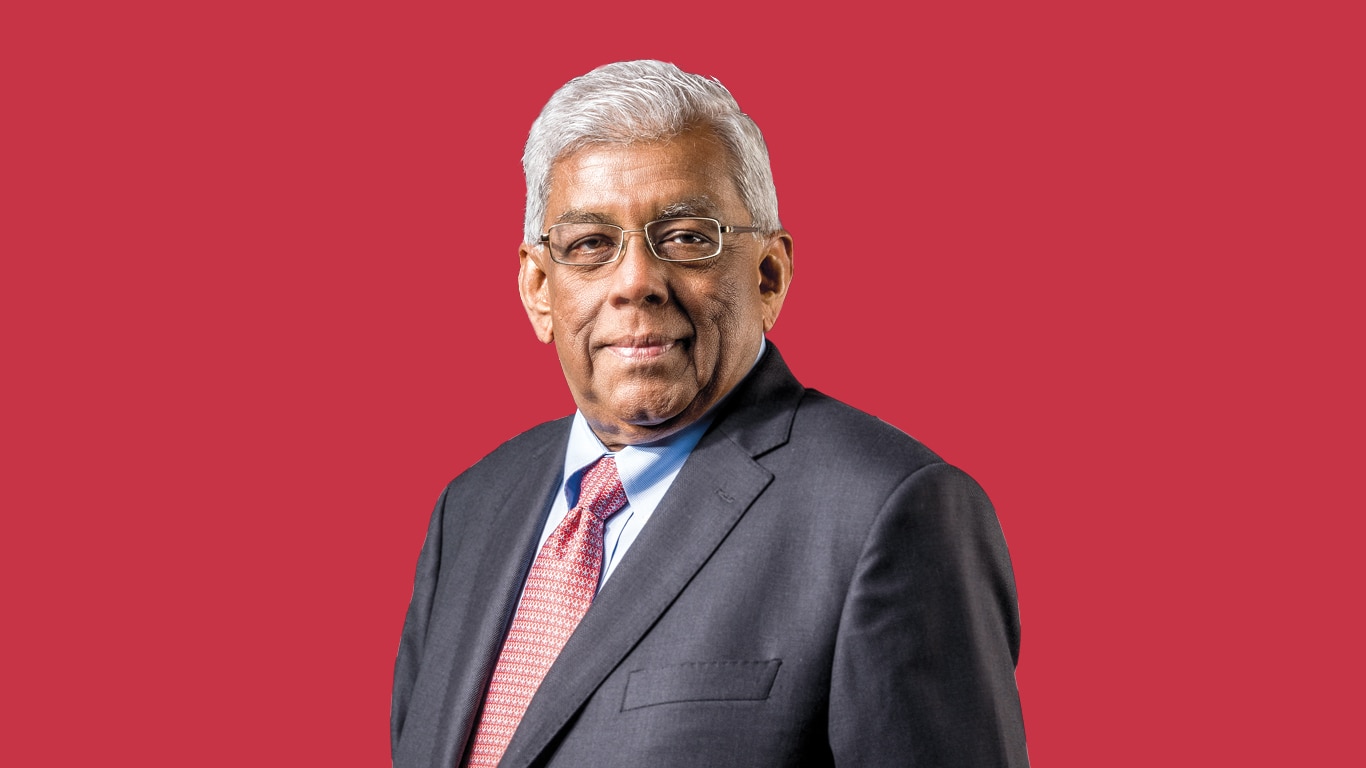
According to Deepak Parekh, former Chairman of HDFC, SBI has had a history of competent chairmen. “A lot of credit must go to the training system and the way promotions and deputations are decided. The grounding you get there is among the best in the country,” he says. Bhattacharya was the first woman to hold the top job at SBI. Parekh says under her leadership, SBI pursued discipline and became a formidable force, most evident in impressive financial numbers and high stock price. “Credit was given only when there was a strong case. Arundhati is a very strong person and has always stood her ground,” he says.
Parekh says the challenge must be viewed in the context of manpower issues and subsidiaries not doing well. “Plus, they existed in different geographies with their own culture. That entire process, with many challenges, was handled in an exemplary manner,” he adds.
Another big challenge was demonetisation, which Bhattacharya calls a “googly.” At 2:30 PM on November 8, 2016, she got a call from the RBI deputy governor’s office for a meeting. The heads of other banks also joined, and it became apparent that something big was unfolding. “Ultimately, we got to know about it with the rest of the nation,” she says. She focused her attention on execution and working with a cool head.
The other focus was digital. “The power it brought to the table and the ability to do things in an error-free manner were obvious. It was clear that the future was going to be digital.”
“We were at an inflexion point. Technology had to be adopted but the legacy mindset was a challenge,” says Sunil Srivasatva, who was then Deputy Managing Director (Digital Banking & Corporate Strategy).
At her behest, an offsite at Lonavala for the top brass, including independent directors, got things moving. It was also attended by the sharpest minds from Microsoft, McKinsey, BCG, Gartner and Oracle etc. “There was a lot of discussion on the digital future of the bank,” says Srivastava, who also remembers that it was perhaps the first time that the entire team travelled by bus. That effort paid off with the board soon giving the green signal for the highest tech spend ever by the bank till then. “Taking along the board made a big difference,” he adds. At that stage, while core banking had been stabilised, the challenge lay in the inevitability of digital banking where SBI had lagged others. “She was not thinking in an incremental manner. Once there was the buy-in from the board, there was no stopping the transformation.” Parekh says a lot of digital “pathbreaking work,” including YONO, was done by Bhattacharya, before Dinesh Khara “took it to the next level.”
Taking Fresh Guard
After completing her term at SBI in 2017, Bhattacharya spent the next year—also her gardening leave—giving lectures and attending investor conferences. Not all of this was related to banking. In fact, the first lecture was at Welham Girls School in Dehradun at their annual day. The crowd was a mix of students and alumni. “The principal told me I would have to speak in a manner that could be understood by a student in the sixth grade and also by a 70-year-old,” she says. Post October 2018, she joined a few boards and took up consulting assignments.
Quite unexpectedly, during this period, a head-hunter reached out to her for a position at Salesforce. “I was told the organisation is still small in India but had big growth plans. They wanted a country head,” she says. That was in 2019. Bhattacharya sat on the decision for five-six months. “I was apprehensive about starting a new journey at that age. Plus, it was an entirely new area, though the world of IT has always excited me.”
Towards the end of that year, Salesforce’s founder, Marc Benioff, invited her to the company’s San Francisco headquarters. “He realised I was not able to make up my mind and asked me to meet with the team to decide.” After detailed conversations with the team, Bhattacharya was comfortable, and towards the end of the trip, Benioff gave her a copy of his book. “I enjoyed reading stories of someone who walks the talk. On the flight back home, I pretty much made up my mind to take up the offer.”
The Tech journey
Salesforce is a young organisation where most people address Bhattacharya by her first name. “I was already used to people calling me Arundhati during my stint in New York,” she says. Among the many things that excite her is that IT is a future-facing business. “If you don’t prepare for what lies ahead, you are likely to become irrelevant.”
In many ways, banking and IT are about high-quality customer service. “You must understand what customers want. It includes the pain points and keeping one’s word on delivery,” says Bhattacharya. She views the current phase as “democratisation of IT” where there is virtually no entry barrier. “Earlier, you needed to know the language or coding or have some area of expertise. There will be a time when all of us will have a personal secretary who will be our agent.”
Srivastava says it’s remarkable what Bhattacharya has accomplished despite no formal training in technology. “Today, she speaks the language of tech easily,” he says.
Going through the digital experience at SBI has, obviously, helped Bhattacharya run a digital-native organisation. “I had gone through the challenge of converting a traditional bank into a digitised platform. That exposure coupled with the nuances of a customer’s point of view has made a big difference,” she says.
Bhattacharya, says Srivastava, is a consensus builder. He draws an example from SBI’s merger with associate banks. “The key lay in harmonising a complicated process. Appreciating the granularity of the process across various verticals and getting all concerned on the same page was not easy, but once that was done, it became seamless.” Inevitably, the vertical heads too played their part. “But the real force was the person leading the process. She intervened only when there was a need,” he says, before adding Bhattacharya is “a compassionate leader but with a mind of her own.”
Bhattacharya’s journey has had many milestones. However, she does not forget the role that her mother and aunt played—“both were very strong women”—and how they influenced her. “My husband is all about giving me space. He has never been interfering and never held me back,” she says. At 70, her enthusiasm for anything she does is infectious. Of course there is commitment, but more than anything else, it is a lesson that one must enjoy what one is doing. It could be running a bank or a tech organisation or just watching a show on Netflix.
@krishnagopalan


