












What is the common thread running through India’s deep-tech founders and javelin champion Neeraj Chopra? All of them are deep believers.
Here’s how. In a cricket-obsessed country, it’s hard to think of—forget play—any other sport. And if it’s javelin, it is ridiculously easy for anybody to pass a judgement. The taunts and jibes are normalised. Criticism and cynicism are widely accepted. And naysayers and prophets of gloom and doom get into business. Deep-tech founders face a similar ordeal.
Vishesh Rajaram, managing partner at Speciale Invest—the venture capital fund that backed four of the 10 start-ups that recently made it to the Technology Pioneers’ List of the World Economic Forum—tells us why these entrepreneurs are special. “They live in a world where someone has been constantly telling them ‘no, you can’t do it,” says the deep-tech venture capitalist. “It takes a lot of tenacity to hear somebody say ‘no’ and still hold on to your dream,” he says.
In a country, when you are judged on results, on exams, on scores, on quantum of funding, on valuation, it’s tough to be a deep-tech founder. “It’s not easy to find an answer to ‘tum kaisey karogey (how will you do it),” says Rajaram.
Business Today strings together untold stories of the gritty techies who are putting India on the global map. Let there be hundreds—if not millions—of Neeraj Chopras and deep-tech founders.
Agnikul Cosmos: Upwards & Onwards
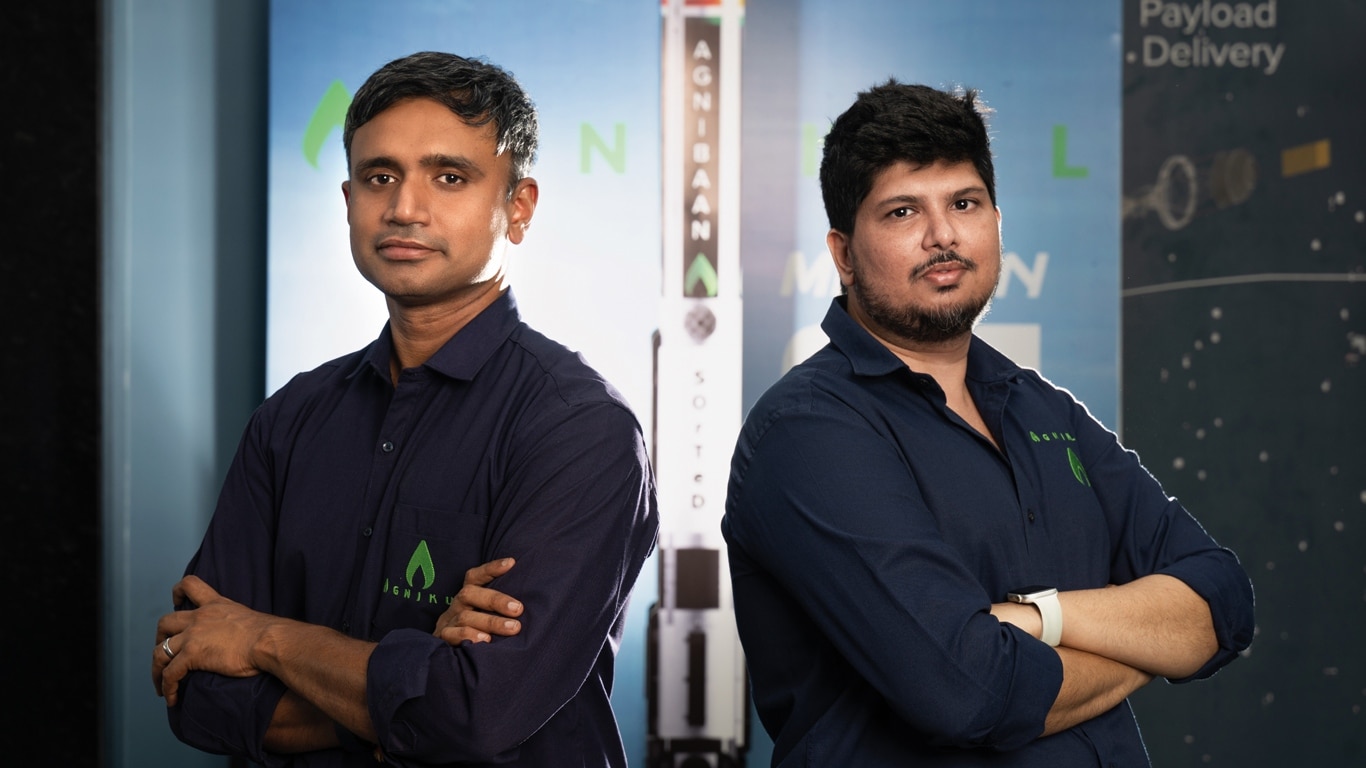
Seven years of toil and four aborted launches—Srinath Ravichandran and Moin SPM ignored naysayers to make their rocket fly
There is action. And there is an equal and opposite reaction. This is Newton’s third law of motion. This is what helps rockets fly. This holds true in India too but with desi nuances. Eight years into their entrepreneurial journey, Srinath Ravichandran and Moin SPM are now well aware of how ‘rocket science’ works in India. “Launch holds are launch holds, they are not failures,” says Ravichandran, who along with Moin co-founded spacetech start-up Agnikul in 2017. “Last year, so many news articles wrote us off. They said Agnikul has failed again…for the fourth time,” he recounts.
For the uninitiated, launch holds are intentionally planned pauses in a rocket launch countdown. Ahead of the maiden launch of its test rocket, Agnikul encountered four launch holds last year: March 22, April 6, April 7, and May 28. “They are not failures at all,” reiterates the first-generation entrepreneur who was pained to see media, commentators and self-proclaimed pundits branding Agnikul as failure. “In the US, if there is a launch hold, it is considered a good thing,” he says. But in India, a vicious narrative played out. “There were comments on how the deep-tech revolution in India is not real,” says Ravichandran. “People tend to pass judgment without knowledge or context,” he quips.
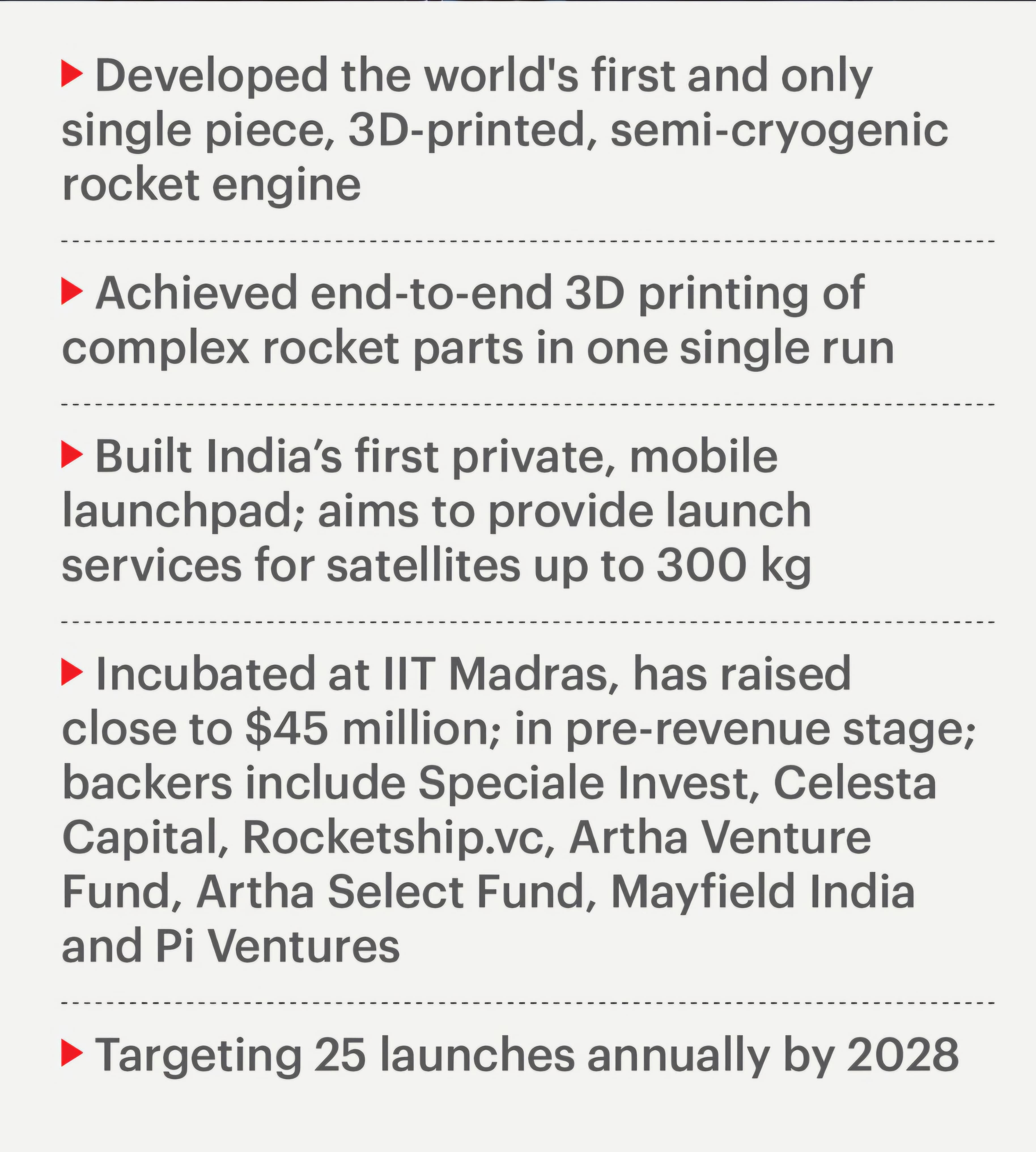
From battling erroneous perceptions to waking up sleepy venture capitalists (a few dozed off during funding pitches) to making people realise it’s normal to have deep-tech start-ups with zero revenue in formative years, combating cynics and encountering ignorant funders (if you launch so many satellites, would be still able to see the stars?), Ravichandran and Moin have endured pain to put India on the world map. Agnikul has developed the world’s first and only single piece, 3D-printed, semi-cryogenic rocket engine.
So, what keeps the fire burning inside the rocket boys? Deep belief, passion and the zeal to do something that nobody has done. So, what next? Submarines? “Why not? We have gone up. Now, we should go down as well,” say the co-founders.
CynLr: Visually Intelligent
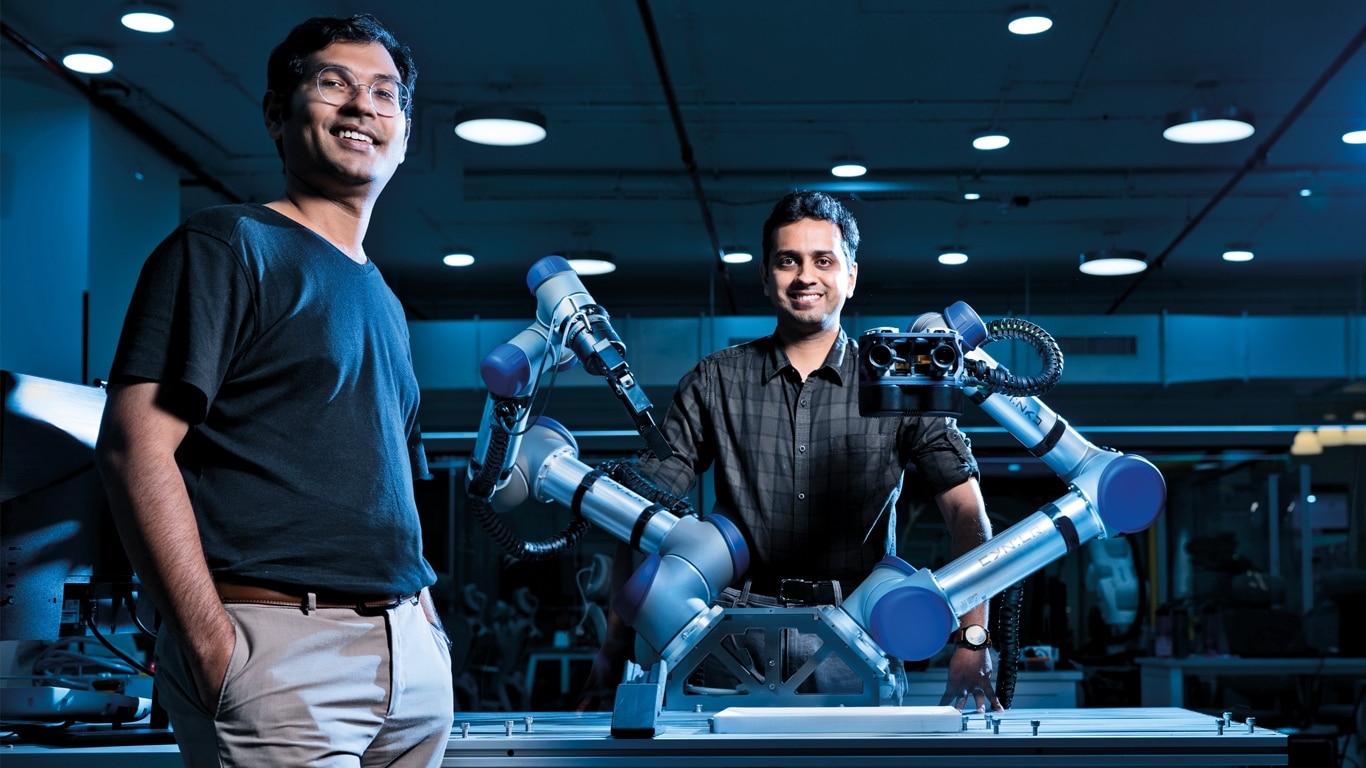
Gokul NA and Nikhil Ramaswamy encountered the curse of first-mover disadvantage, but the duo persisted with the vision to create universal factories
A decade ago, it was an audacious pitch. And it bordered on incredulity. “Imagine a future in which a single factory makes cars today and mobile phones tomorrow,” Gokul NA strained to push the envelope of imagination and innovation. “What if a factory is capable of manufacturing multiple product models and endless product variations,” he asked in his pitch before industry stakeholders. “What if robots could see? What if robots could interpret and manipulate objects in unstructured environments without pre-training?” he asked. Unfortunately, his ‘what if’ landed on the blind spot of the audience in 2015. The spectators—experts, honchos in the manufacturing world, and industry pundits—dubbed his dream as fiction.
Undeterred, Gokul NA partnered with friend Nikhil Ramaswamy, and the duo bootstrapped their entrepreneurial journey in 2015. Two years later, in December 2017, the co-founders stepped out in the venture fund market. Again, there were no takers. Over the next two years, they stayed relentless and faced multiple lows.
Interestingly, apart from disbelief, what they got in plenty was gyan on how to do things. Most of the unsolicited advice bordered on ‘copy paste’ from other industries and segments. “A spoon can’t taste the soup,” says Gokul, alluding to an old Buddhist parable that helped him dismiss all gyan without substance. Eventually, the maiden funding happened in August 2019.
Fast forward to 2025. The duo has stunned the world with their vision. Their product—CyRo—is a dual-arm, vision-guided robotic system designed to handle unknown objects and perform intricate tasks.
“We were solving unsolved problems, and that was the reason for our grit,” says Gokul.
Dezy: All Smiles
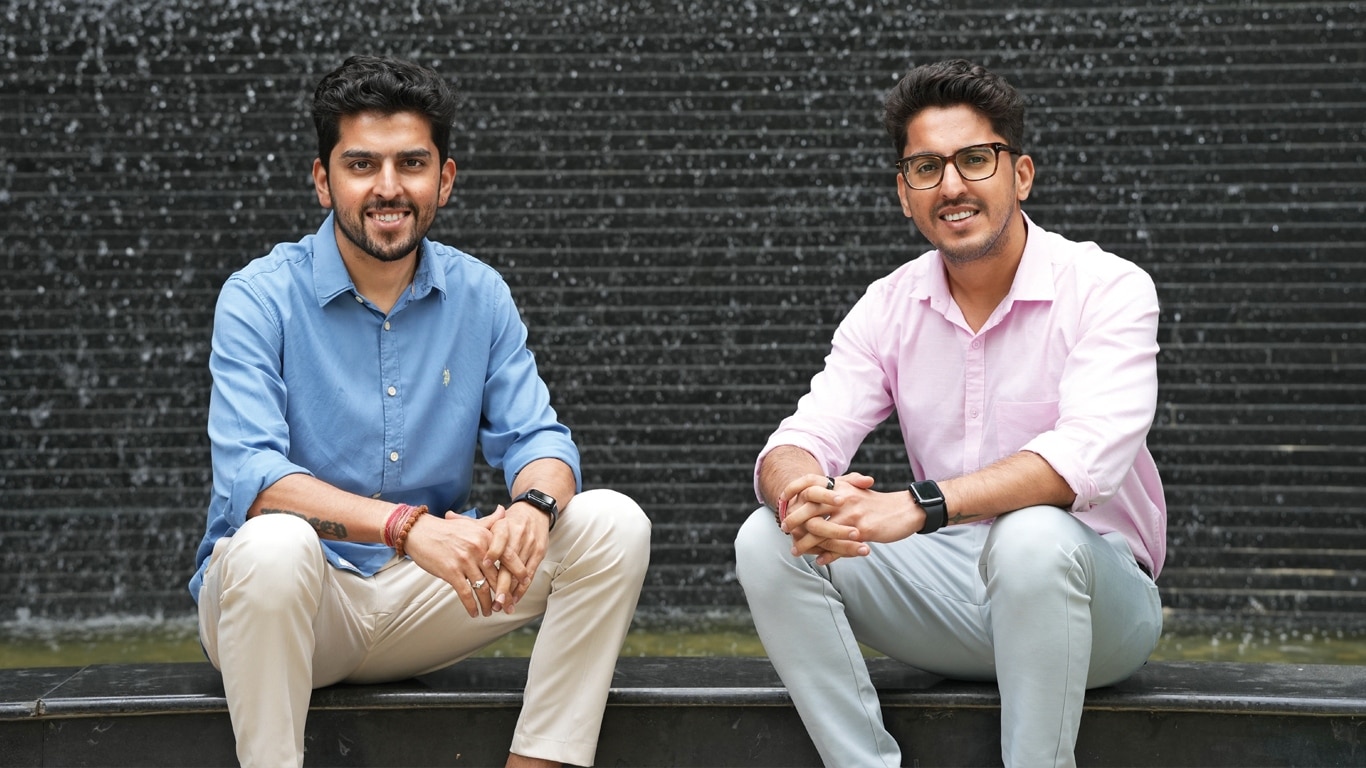
The siblings from Indore are leveraging AI-powered diagnostic technology for affordable and accessible dental care
Doc32 to smiles.ai to Dezy…Hitesh Kakrani has seen three transitions, re-brandings and revamps in his entrepreneurial journey. Business models changed—from a dental SaaS platform to building and selling dental care products to now owning and operating dental clinics. The vision had to be aligned multiple times. A lot changed.
What, though, hasn’t changed is the beaming smile of the entrepreneur from Indore, Madhya Pradesh. “I was a small-town boy with localised aspirations,” says Kakrani, who wanted to expand the family’s pharma manufacturing business. But an MBA from IIM-Lucknow transformed his aspirations. After a three-year stint at P&G, Kakrani, along with his brother, started the entrepreneurial journey in early 2019 with Doc32. A year later, the pandemic wiped off their smiles.
Six years into the journey, Kakrani is armed to the teeth in terms of learning. “A lot has changed. We survived multiple lows. We rebranded from Smiles.ai to Dezy in 2023,” he says. Dezy, he points out, is leveraging AI-powered diagnostic technology to provide affordable and accessible dental care via company-owned and operated dental clinics across six cities—Bengaluru, Delhi NCR, Chennai, Pune, Mumbai and Hyderabad.
Kakrani points out three big learnings from his journey. First, go for a full-stack model—from building a high-tech platform to owning the clinics to managing the back-end supply chain—so that you can control every aspect of consumer experience. One bad experience, one slip in quality, and it kills the smile. “It’s easy to say ‘smile’, but it’s hard to ensure a smile,” he says. The second learning revolves around the scale of operations. Scale fast and fail fast doesn’t work. “The classic ‘slow and steady’ is the enduring mantra for success,” he says.
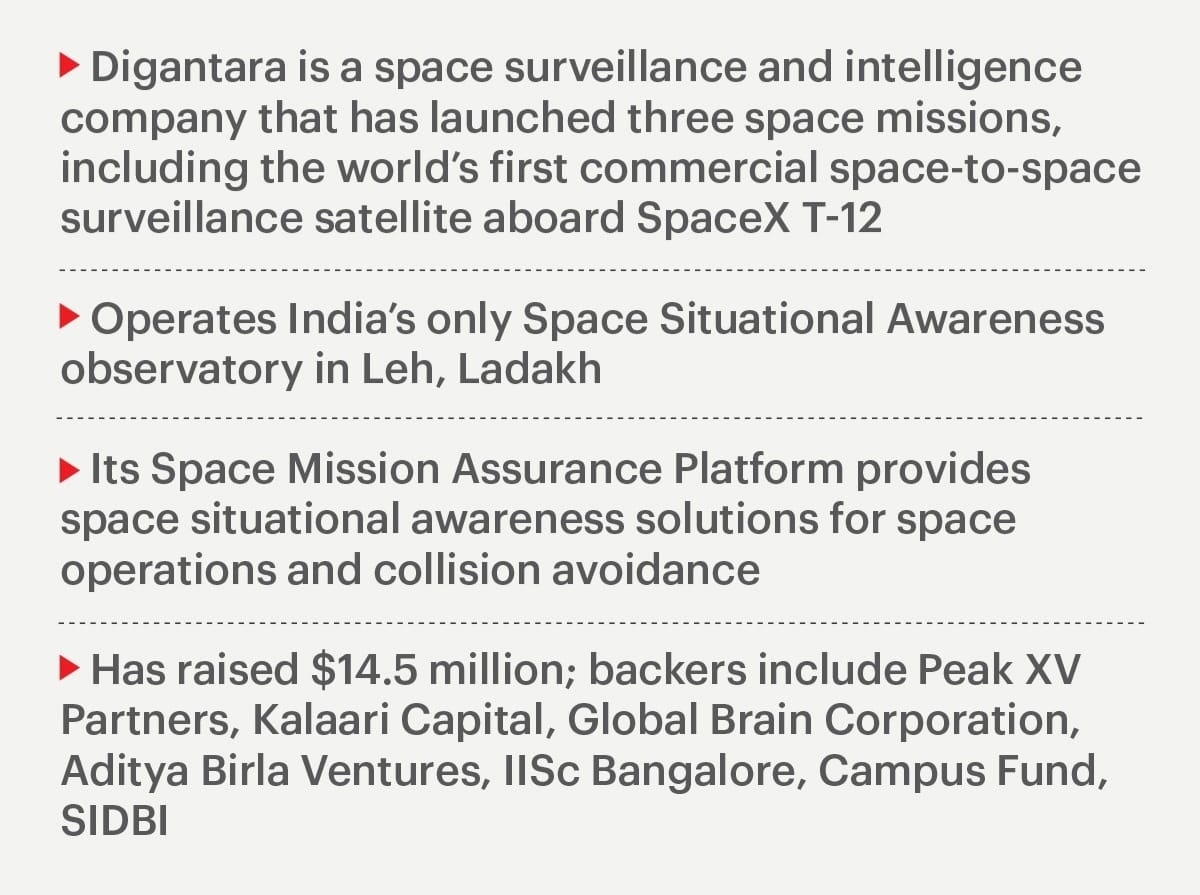
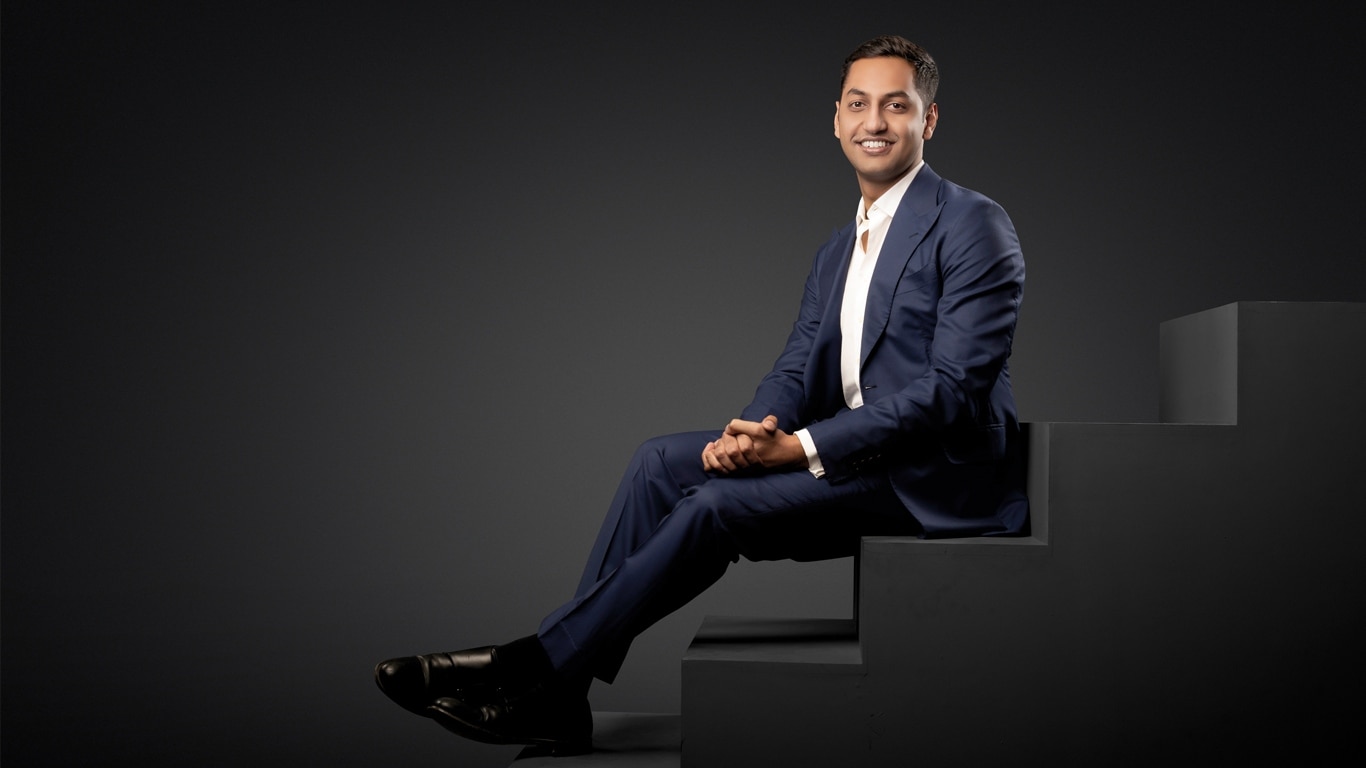
Digantara: Find Your Mission
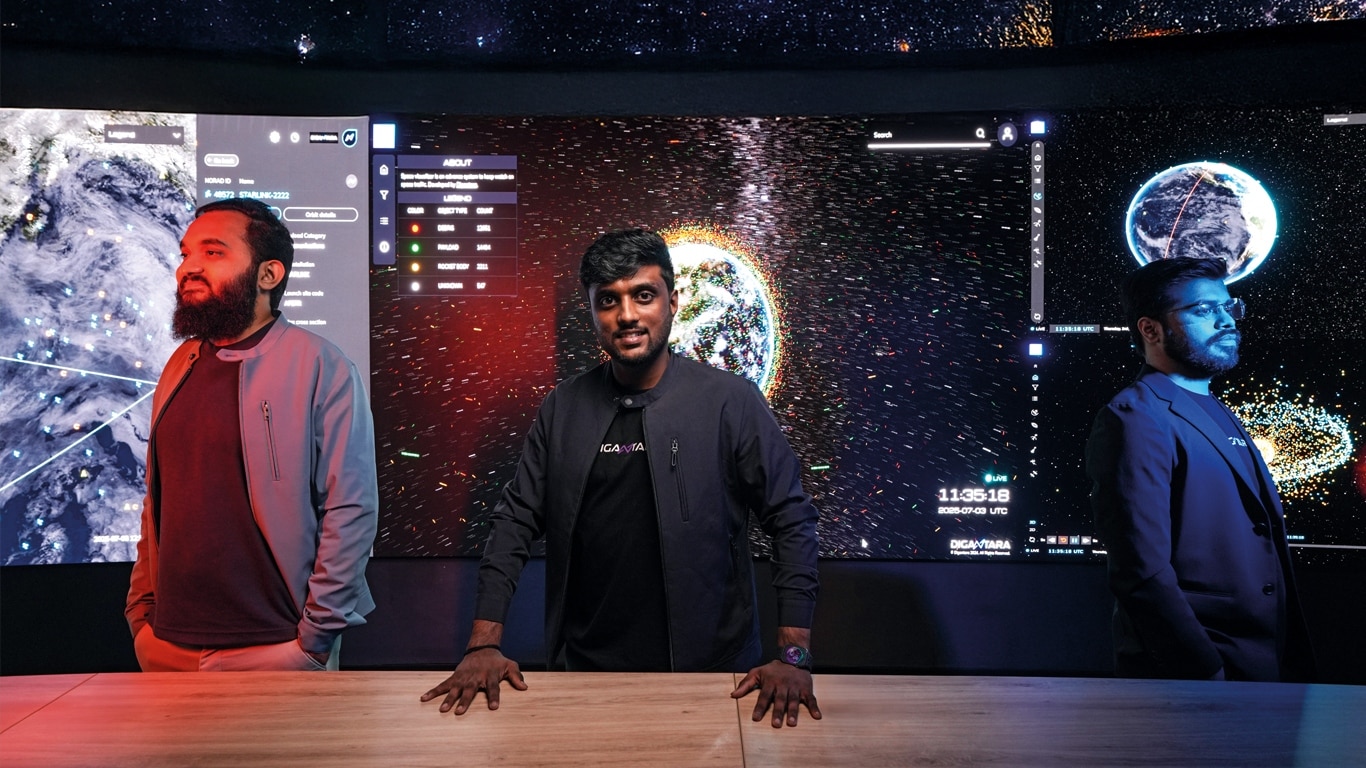
Dreams can easily get lost in space, but Anirudh Sharma stayed firmly in his orbit to make Digantara a formidable player in space surveillance
Anirudh sharma tells us the lowest moment in his space tech journey. “Nobody believed a 19-year-old could build satellites,” he recounts his experience when he co-founded Digantara with Rahul Rawat and Tanveer Ahmed in November 2018. The two big challenges faced by the young Turks were credibility and money. “I didn’t come from IIT or IIM or any storied academic or space background,” says Sharma, who started the company as a spin-off from his university satellite team.
The problem identified by Sharma and his team was simple: only 4% of objects in the orbit are tracked. This leaves a huge gap in surveillance and management of millions of objects in space. Space surveillance was the solution.
The first two years—2018 to 2020—were spent figuring out what to do. The young co-founders explored multiple ideas, but they all revolved around space. “We knew that was our space,” says Sharma, who opted out of campus placement as he wanted to figure out entrepreneurship. He was confident of finding his place under the sun. “When we started Digantara, we were not chasing a career. We were chasing a dream,” he says.
Seven years later, Sharma and his team did find their place in the universe. Earlier this year, Diagantara launched the world’s first commercial space-to-space surveillance satellite. The satellite is designed to track and monitor objects as small as five centimetres. “There is no feeling more powerful than seeing something that once existed only in your mind fly high above the Earth,” says Sharma. “It changes you forever,” he adds. The company has expanded its operations to the United States with a presence in Colorado.
The journey, though, has been roller-coaster. From struggling to find the right talent to funding, Digantara encountered all odds that one could throw at any space-tech start-up in India. “Deep-tech doesn’t give quick returns. So, finding committed investors is tough,” he says.
What, though, helped Sharma in staying focused are two things. First, he took emotions out of the equation. “I am an emotionally-detached person,” he says. The second was blocking the outside noise. “Believe in your dreams and find your space,” he says.
Equal: First Among Equals
Equal is fighting digital financial inequality by combining identity verification with consent-driven financial data sharing
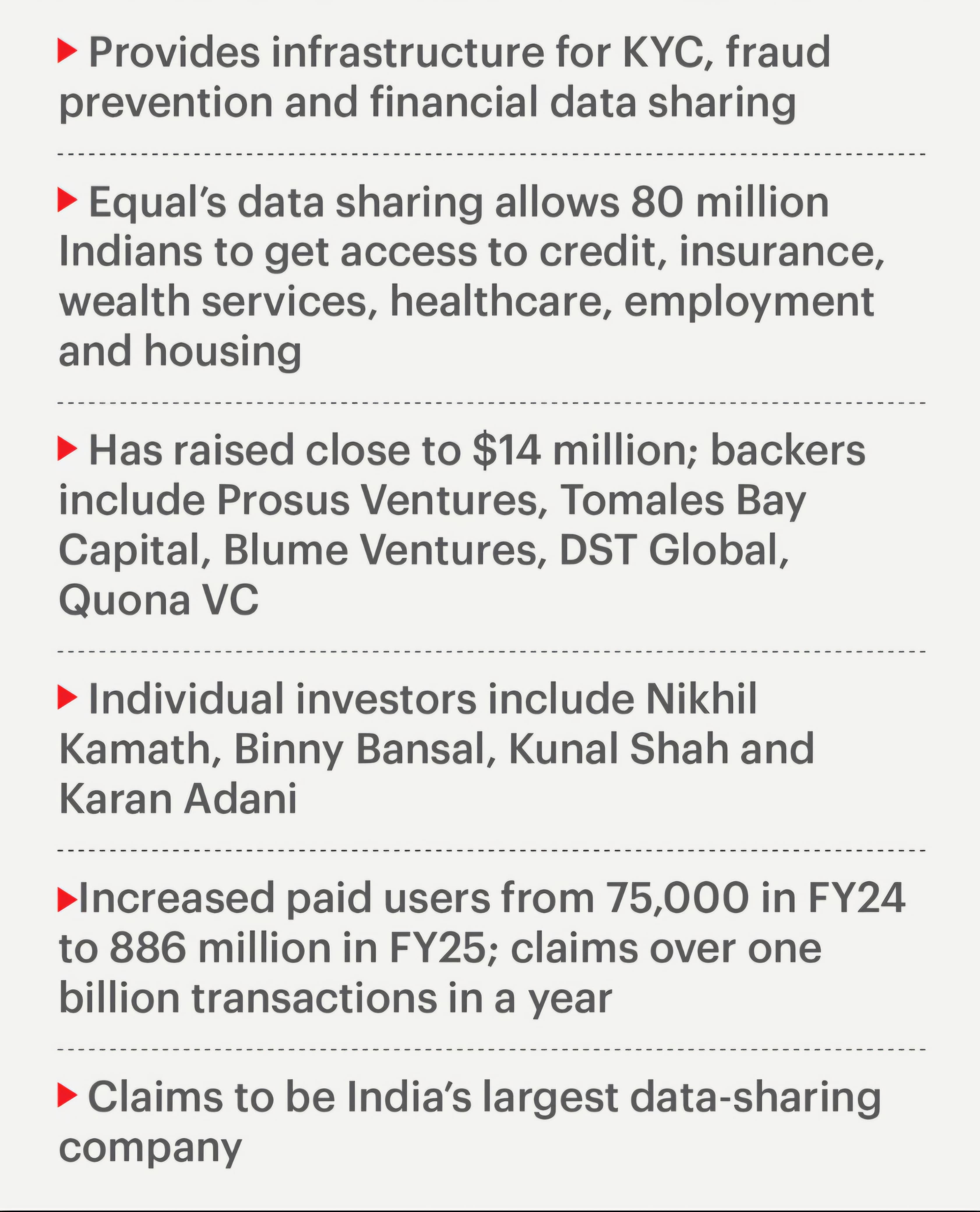
Let’s start with the impact. Equal—one of the largest data-sharing companies dealing with consent-based sharing of financial, health and personal data—reportedly allows 80 million Indians to get access to credit, insurance, wealth services, healthcare, employment and housing. This is a staggering number. No wonder the Hyderabad-based start-up is one of the 100 early-stage companies from 28 countries—and one of the 10 from India—to make it to the World Economic Forum (WEF) Technology Pioneers’ community in 2025. Backed by marquee investors such as Prosus Ventures, DST Global and Blume Ventures, Equal provides infrastructure for KYC (know your customer), fraud prevention and financial data sharing across sectors such as lending, insurance and employment.
The tech innovator offers two products to drive digital inclusion. The first is a KYC aggregator. It’s an identity-verification system that connects with over 50 government and private identity databases and more than 4,000 API (application programming interface) providers to help businesses verify customers quickly and accurately. The second is an account aggregator. It’s an RBI-regulated platform that enables banks, fintechs and NBFCs to securely access verified financial information such as bank statements and investments with customers’ consent.
For the founder, the drive towards the digital future is set to gather momentum. “This acknowledgment (WEF list) reinforces our belief that consent-based, secure data sharing is foundational to India’s digital future,” founder Keshav Reddy said in a recent media release. Access to verified data, says the venture capitalist-turned-founder, can transform lives. For example, it can help a gig worker get credit for the first time or enable faster health insurance claim settlements.
“We’re focused on building robust, AI-led infrastructure that makes personal data work for every Indian, responsibly, transparently, and at scale,” he says.
Exponent Energy: Fully Charged
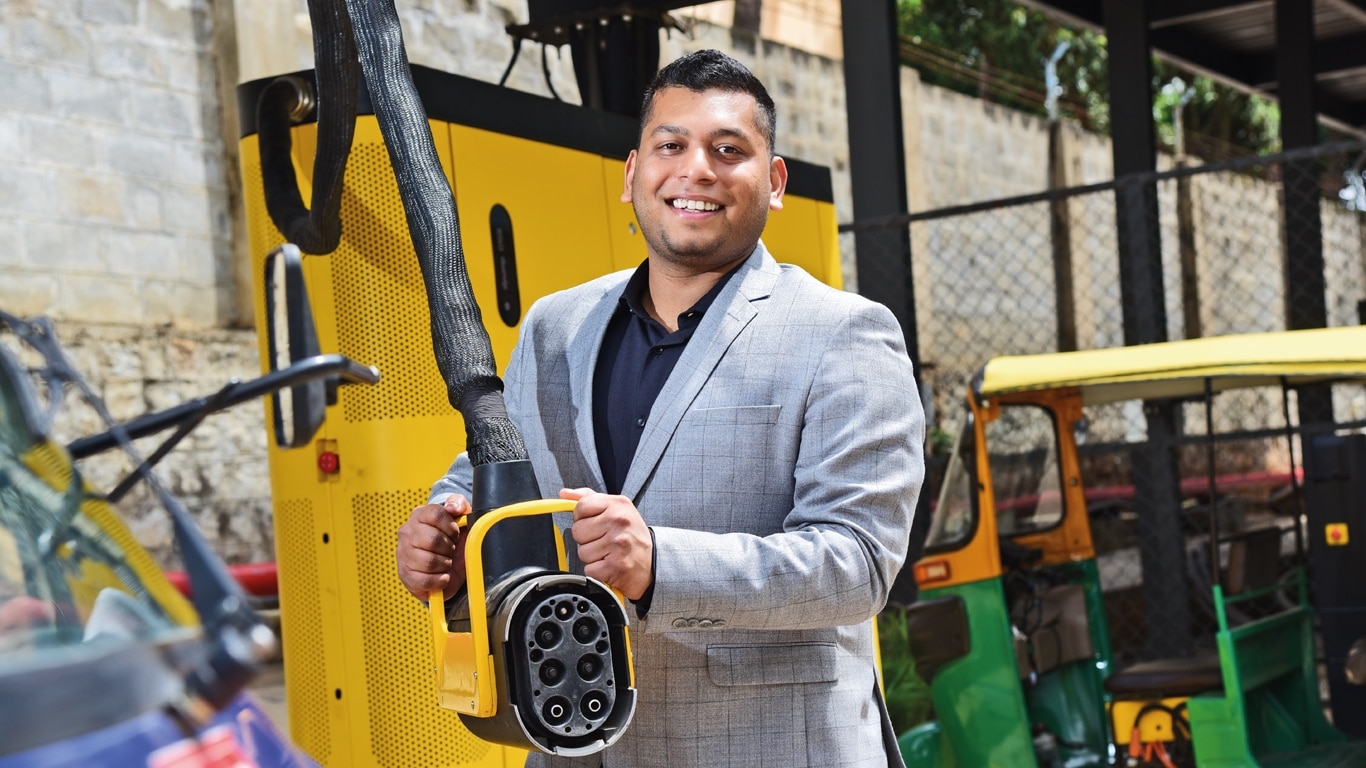
Rickety EV charging infrastructure and missing ecosystem fuelled the desire of Arun Vinayak and Sanjay Byalal Jagannath to live their dream
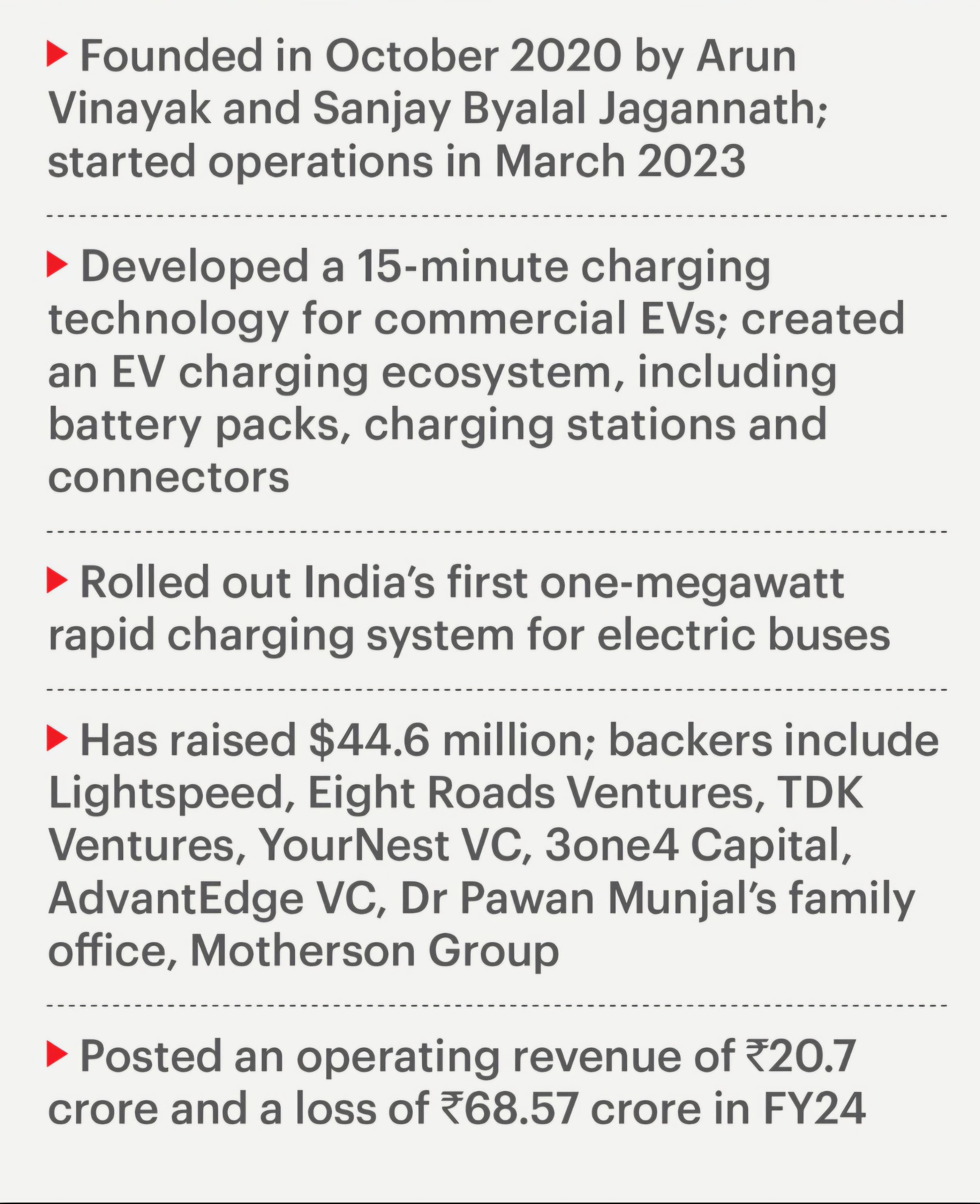
“It’s not obvious until it becomes obvious,” smiles Arun Vinayak, summing up why deep- tech entrepreneurs are wired differently. In deep-tech, the product being built does not become clear for years, he says. Though Exponent was founded in October 2020, it started operations in March 2023. High rejection rates, long gestation period, the deep tech entrepreneurial road is littered with sign boards that read: walk at your own risk.
Vinayak takes us back to 2020. “When we started Exponent, the fundamental belief was that India could build tech but not deep-tech.” There is a difference between technology and ‘outrageous’ technology. The co-founders jumped in the latter bucket: charging electric vehicles in 15 minutes.
The response was electrifyingly negative. “Really! My mobile doesn’t charge in 15 minutes,” was the unanimous reaction. There were more traumatic questions. “Okay, tell us, why is Tesla not doing it?” many asked. “Why such a technology doesn’t exist in China?” others wondered. Vinayak explains the scepticism. “It comes from our historical belief that tech can’t come from India,” he says.
So, how does a tech entrepreneur continue in face of such gusty headwinds? Simple. “Take emotion out of the equation,” says Vinayak. There’s no point in getting emotional or taking criticism personally. “I believe in passion and not emotion,” he says. No wonder, Exponent has managed to achieve a feat that not many could rival: building a 15-minute rapid charging technology for commercial EVs. It has even rolled out India’s first one-megawatt rapid charging system for electric buses. “Deep-tech is a marathon. Charge, recharge and run,” he says.
Freight Tiger: Crouching Tiger
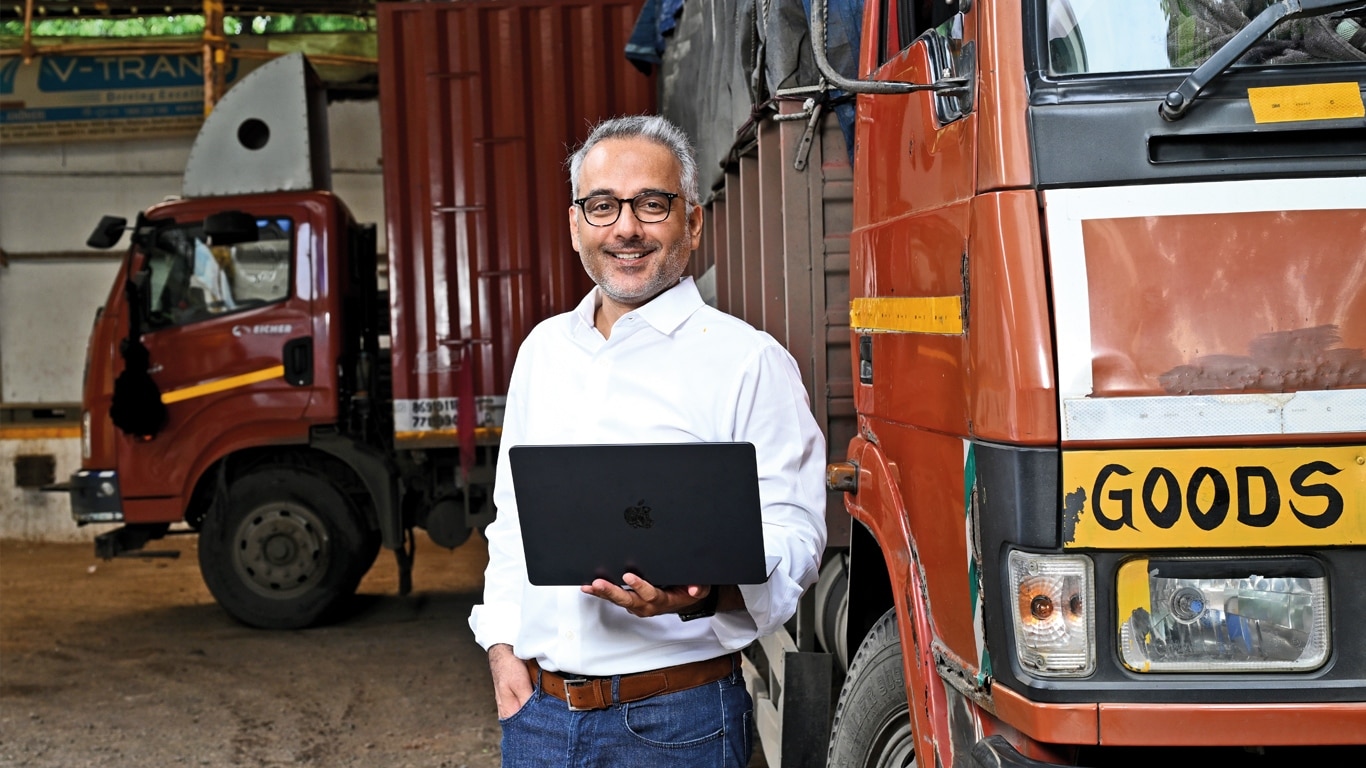
A contrarian approach to building a software-enabled freight network has helped FreightTiger roar
Swapnil Shah starts the interview with a disclaimer. “If you happen to be the first one to do something, you will have to live with the cross,” says Shah, who grew up in Kolhapur, Maharashtra, spent a decade in materials science research, worked close to six years in the US and returned to India in 2013. Two years later, when he decided to build a tech platform to transform commerce through logistics, he almost threw himself under the truck. Reason? For a country obsessed with kitna deti hai (mileage) and the logistics industry fixated with an age-old question—can you ship it from point A to point B—Shah’s software lingo sounded Greek. It was a Herculean task to make people understand how technology-enabled freight could help businesses move goods with full visibility, efficiency and lower costs.
The problem, though, was not confined to the external stakeholders. Employees too found it tough to make sense of the plan. Hiring and retaining was turning to be his Achilles’ heel. Somehow, Freight Tiger plodded along.
Five years later, it was a déjà vu moment for Shah. In 2020, during peak Covid months, he almost threw himself under the truck. How? The entrepreneur decided to make a transition from a software to a marketplace. “I picked up the hardest time to launch the marketplace,” he says. Confusion gripped every stakeholder: employees, investors and customers. What aggravated the pain was the inability of the market to appreciate his differentiated tech offering. Logistics rivals were pitching themselves as the ‘Uber of truck.’ “I took a contrarian approach,” he says.
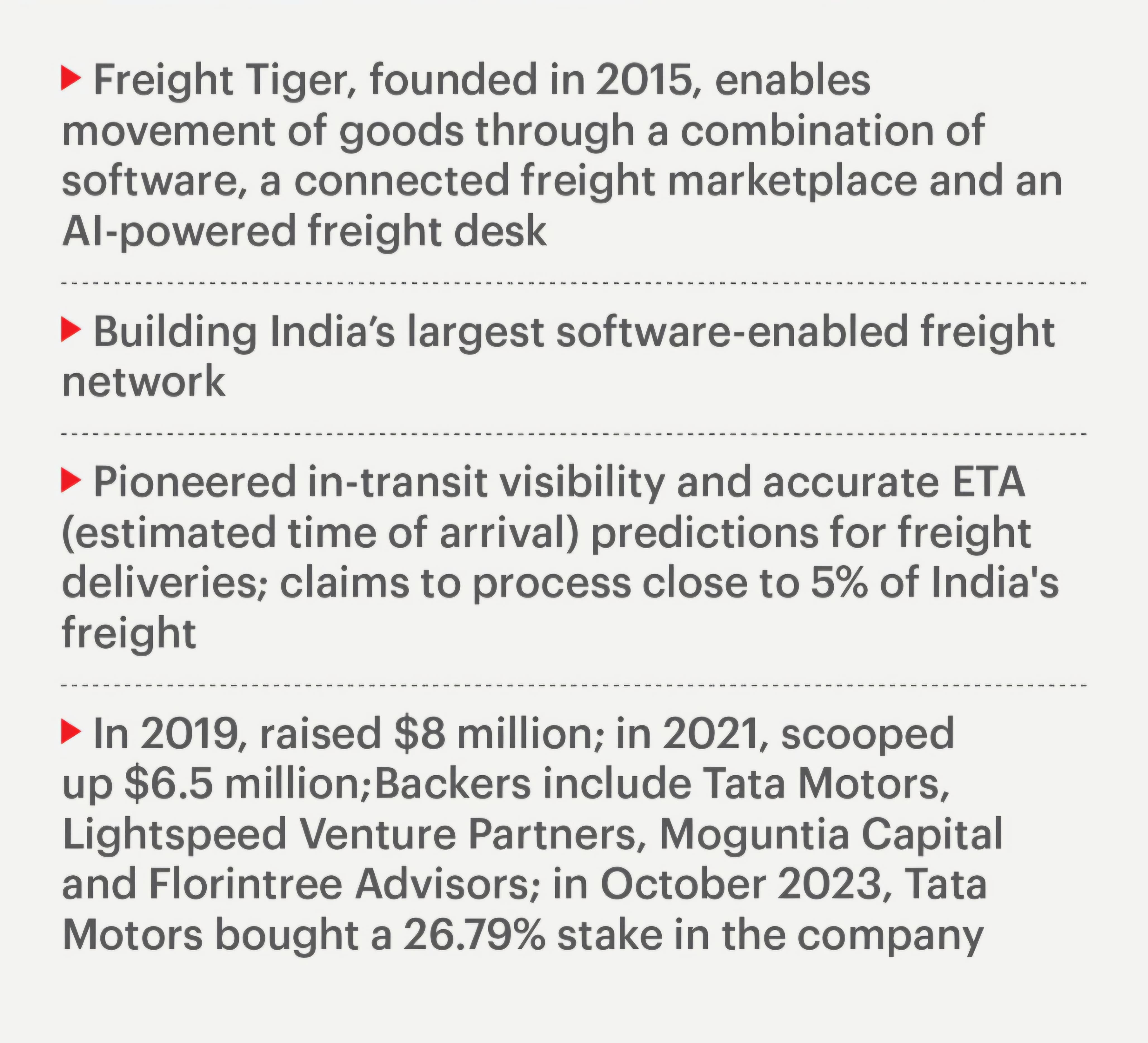
Fast forward to 2025. Freight Tiger is roaring. Given the context—a score of truck start-ups such as TruckMandi, TruckSumo and Ezytruk have shut shop over the last few years—Shah managed to scale up and attract strategic partners such as Tata Motors. So, what’s his survival and success mantra? Shah keeps it simple. “There will always be non-believers. Don’t worry about 99 nays. You just need one person to believe you,” he signs off.
SolarSquare: Top of Rooftop
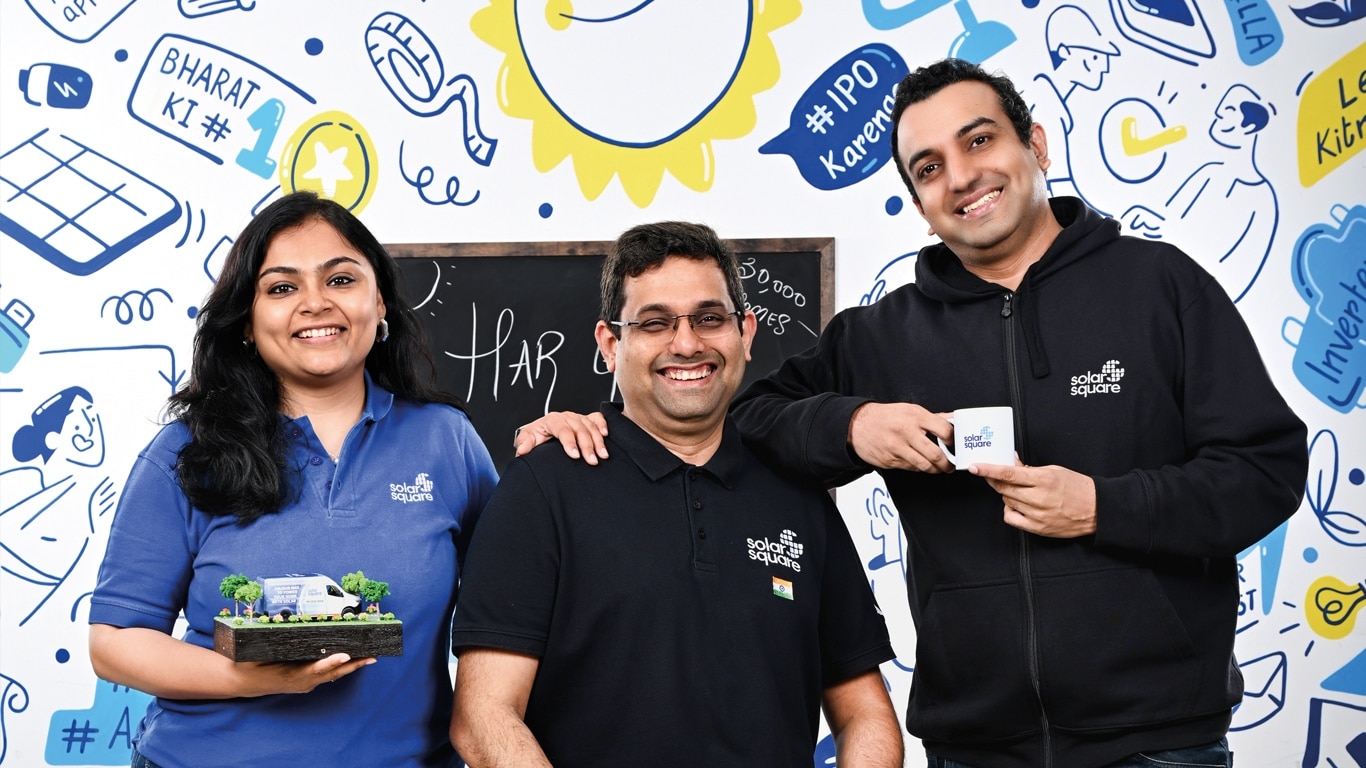
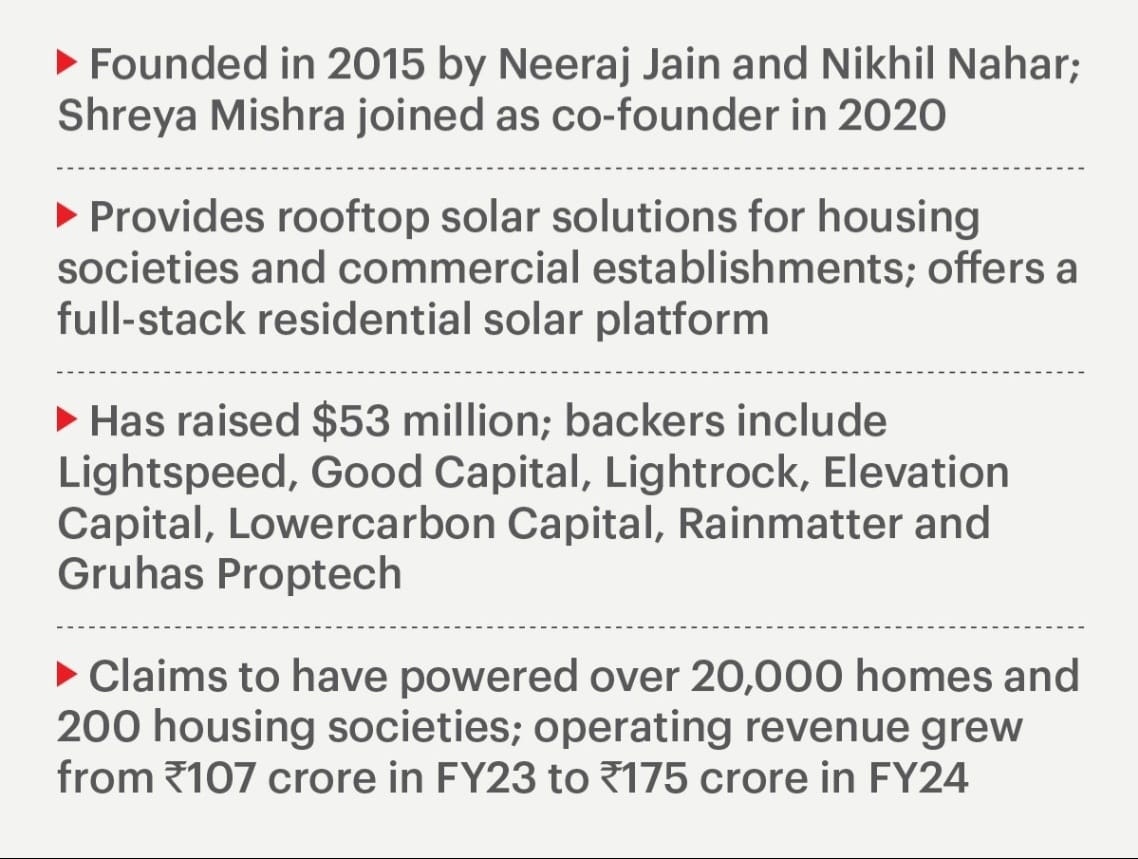
It's hard to find a place under the sun. Neeraj Jain, Nikhil Nahar & Shreya Mishra pivoted from B2B to B2C solar rooftop and showed the world how it's done
At times, the line between optimism and delusion gets blurred. In 2020, Neeraj Jain, Nikhil Nahar and Shreya Mishra encountered such a moment. Founded in 2015, SolarSquare grew briskly over the next five years to become one of the top 10 B2B players in India in design and installation of commercial solar panel systems. By early 2020, it was bootstrapped, had a revenue north of `100 crore, and was profitable.
Then came the ‘blurry’ moment. The co-founders decided to pull the plug on the B2B business. To the outside world, it was an insane move. SolarSquare, they argued, should have doubled down and topped the charts. Instead, they pivoted to residential solar rooftop business. “People labelled as crazy,” recalls Shreya Mishra, who had seen her maiden venture—Flyrobe, a fashion rental platform—get eclipsed towards the fag end of 2019. The scars of the ‘failed’ venture had not healed, and within months, SolarSquare plunged from `100 crore to zero. What helped her take a leap of faith was unflinching support from co-founder and husband Neeraj Jain. A pilot in the residential solar business in Bhopal—during peak Covid in 2020—showed promising results. The co-founders pivoted to a full-stack B2C residential solar business.
The backers are delighted. “Building category-defining companies takes a rare mix of ambition, courage, clarity of purpose and unmatched resilience,” says Rahul Taneja, partner at Lightspeed Venture Partners, which backed SolarSquare last year.
Mishra, for her part, shares her mantra: “Stay objective, and strike a balance between optimism and delusion.”
GalaxEye Space; Sense & Sensor
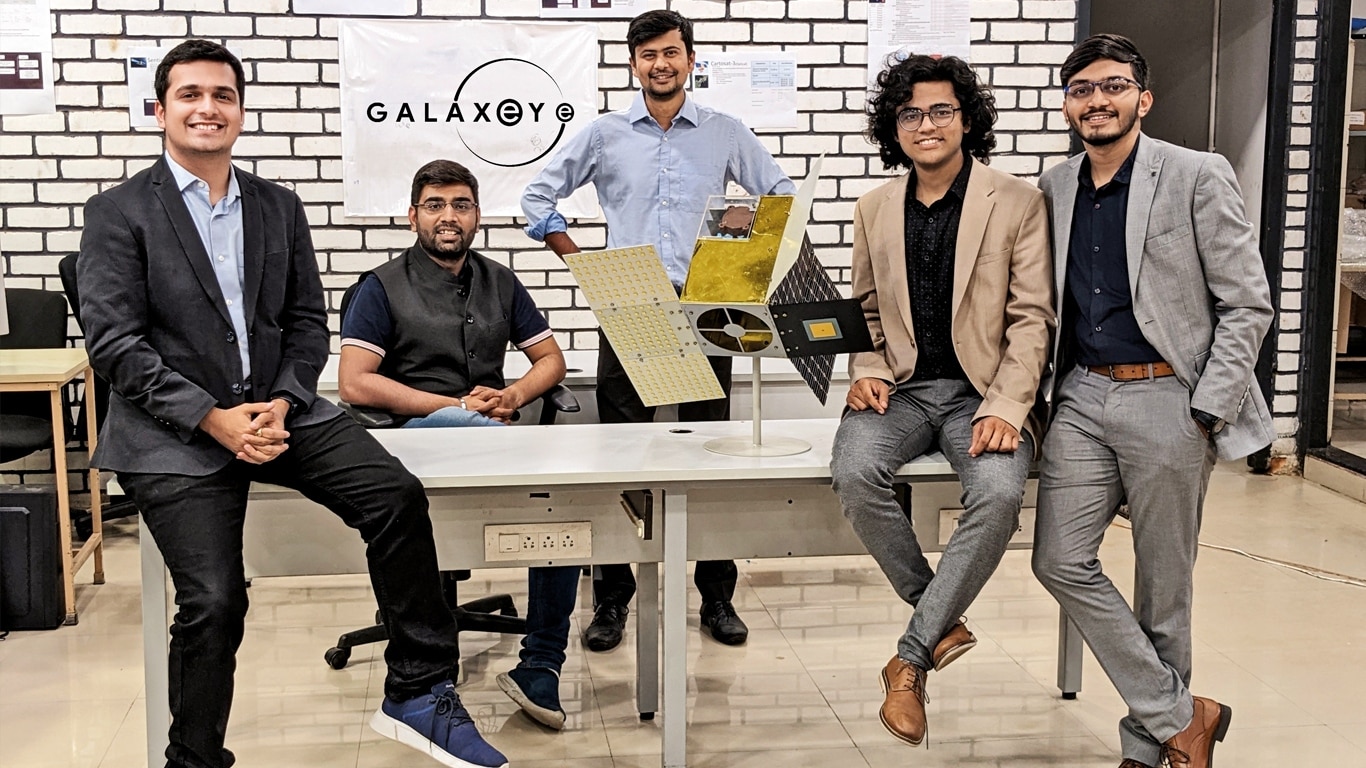
Deep belief, deep resilience and deep commitment are helping Suyash Singh and his co-founding team stay the course in building satellites
When an investor understands the pain, the entrepreneur has everything to gain. Raj Sethia, managing partner at Mounttech Growth Fund-Kavachh, explains why it is hard to be a deep-tech, especially space tech, founder in India. “Hardware takes time but space hardware takes more than the usual time. Building, testing, qualifying and iterating spans years,” says the investor who backed GalaxEye in November last year. Unlike software start-ups, where rapid iteration and early traction can drive momentum, deep-tech—especially in aerospace—requires a fundamentally different mindset, says Sethia.
Founded by Suyash Singh, Denil Chawda, Kishan Thakkar, Rakshit Bhatt and Pranit Mehta in May 2021, GalaxEye Space is building a constellation of synchronised multi-sensor earth observation satellites. “This founding team of five didn’t come together by chance,” says Sethia. Their collaboration, he says, started years ago, forged in labs and classrooms of their college days. “What makes them unique is their technical skill, resilience and clarity of purpose,” he adds.
Suyash Singh says one more thing to the ‘unique’ list. The co-founders decided to do two ‘uncool’ things. First was to leave their jobs. Second was to select a sector—aerospace—which was as alien as space. And then came another alien creature: potential investors with little knowledge about the sector. And they came with their baggage. The ones from SaaS background wanted a SaaS playbook, and non-SaaS guys hunted for likes, hits and hockey-stick growth. “Can you show me LTV (lifetime value) and CAC (customer acquisition cost),” they asked. Singh didn’t pretend. “I didn’t know all these,” he says, adding that space tech must be assessed by a different lens.
So, how can deep-tech grow in India? The inflection point, Singh says, will come when the country has more audacious backers who will have 20% of their portfolio in deep-tech. “It will eventually happen, but right now, it’s yet to come,” he says.
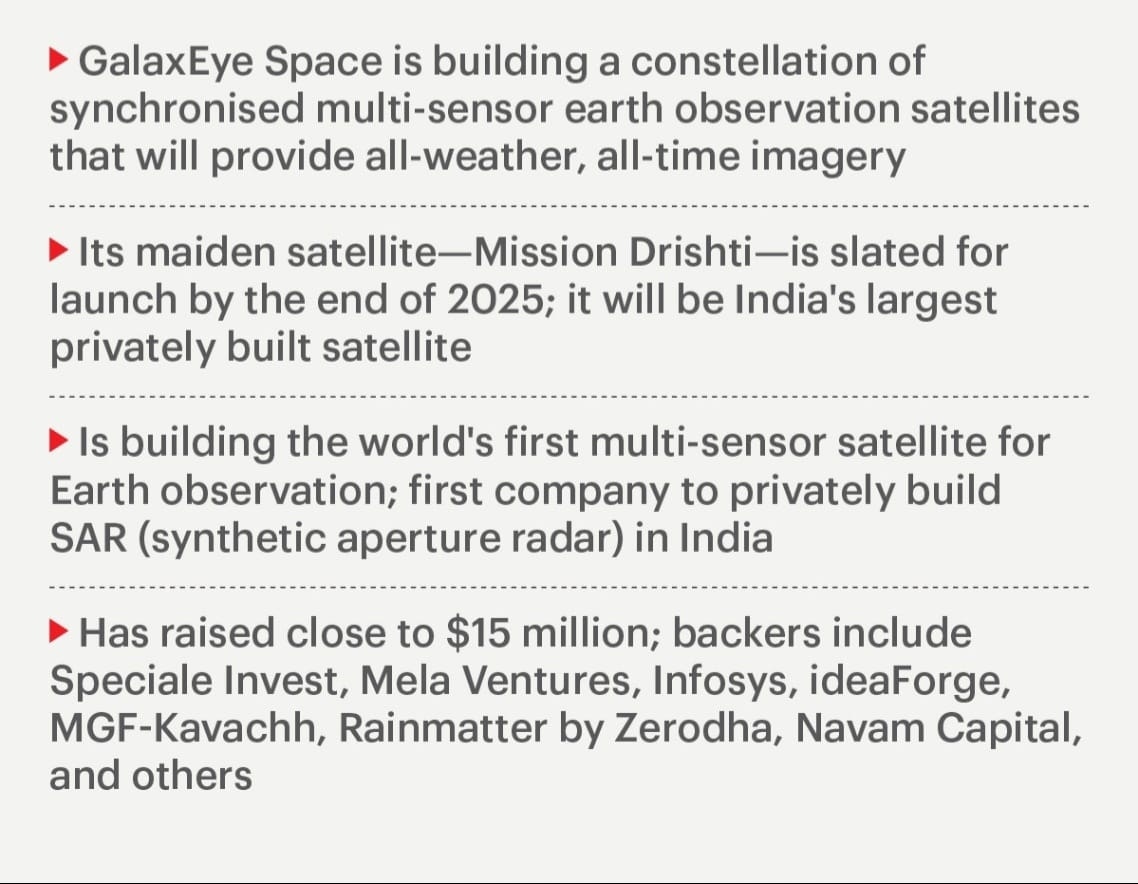
The ePlane Company: Plane & Simple
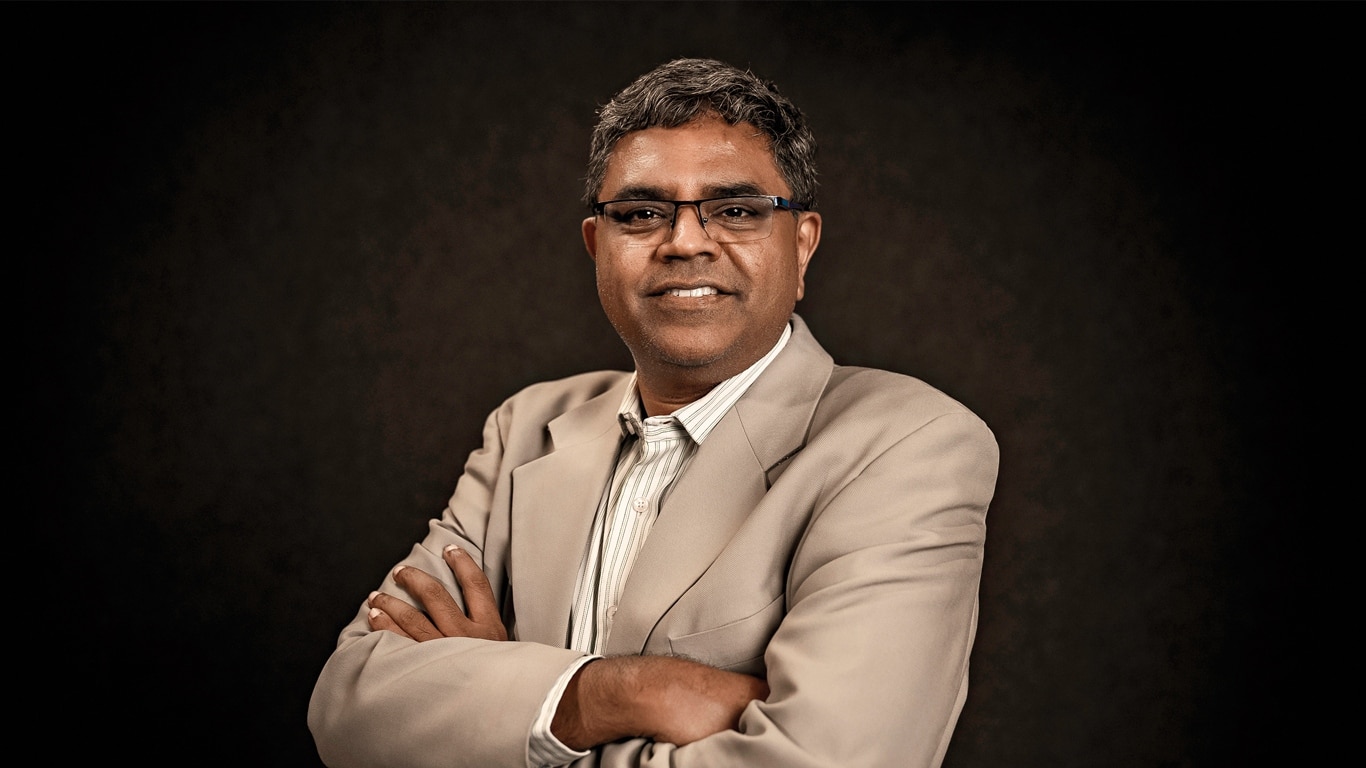
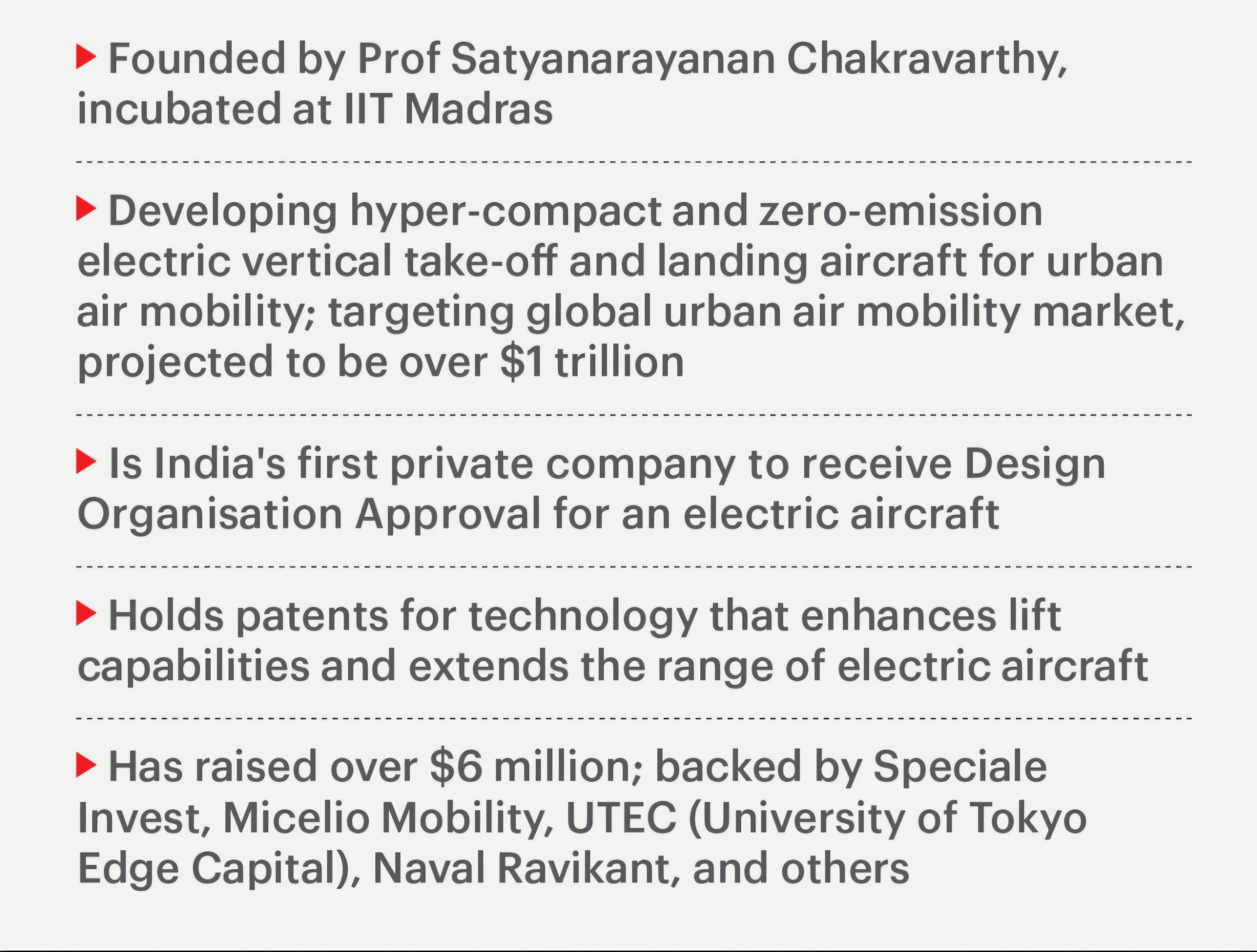
Mental toughness, long-term approach and faith in making a real impact are propelling Prof Satyanarayanan Chakravarthy towards his goal of launching flying electric taxis
Man, superman and Professor Satya! He once promised to make rockets fly. He did that as founding advisor of Agnikul. He has now promised to make taxis fly. Can he do it as the founder of The ePlane Company? Before we get the answer from the horse’s mouth, let’s understand what he is trying to do. The ePlane Company focuses on the development of flying electric taxis designed for intra-city transportation, says the WEF. “The company’s offering includes all-electric flying vehicles capable of vertical take-off and landing,” it notes, adding that the intent is to provide an alternative to traditional commuting.
Incubated at IIT-Madras in 2017 and backed by marquee investors such as Speciale Invest, Micelio Mobility and UTEC (University of Tokyo Edge Capital), the start-up is still in pre-revenue and pre-product stage. Yes. You have to wait for the flying taxis. Let’s ask the professor how it feels to be hounded by the question: when will flying taxis appear? Prof Satya smiles and shares a fascinating anecdote about his lead investor. “Prof, don’t tell others what you are doing if they don’t happen to know themselves, because not everybody knows that you are a superman.”
Professor Satya explains why we must value patience. “It’s (his venture) a huge work-in-progress. It takes time,” he says, adding that a lot of people are awestruck by the audacity of the task. “They appreciate me a lot more,” he says. But the professor is in no mood to accept generosity. “Why would I get appreciated for something I am yet to make. I am not finished yet,” he says. Having a deep sense of self-awareness helps. “I knew what I was getting into,” he says, adding that he has always looked at a 10-year horizon. “You need to be mentally tough like Olympic athletes,” he says.
Data source: Entrackr, RoC filings, companies


