
During his two stints (1996-98 and 2004-8) at North Block, P. Chidambaram was probably the most innovative of all finance ministers when it came to direct taxes. He simplified the tax structure by removing the web of exemptions and capped the exemption limit. He pushed taxpayers to file returns and made PAN the basic requirement for several transactions and investments. In 1997, his 2/4 policy stated that people who satisfied "two of the following criteria, namely ownership of a four-wheel vehicle, occupation of immovable property..., ownership of a telephone and foreign travel in the previous year" had to voluntarily file their tax returns.
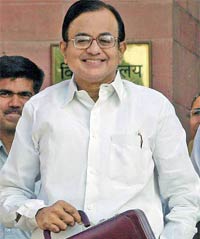
The flip side is that in his endeavour to boost government revenues and lower fiscal deficit, while slowly reducing the tax rates, Chidambaram imposed a greater burden on honest taxpayers. With a host of new taxes, including expanding the scope of services tax, and removal of exemptions, it was people like you and I who ended up paying more. MONEY TODAY's calculations indicate that a household earning over Rs 5 lakh a year pays at least 6 per cent in indirect taxes. The figure could be higher at 10-15 per cent since our estimates were quite conservative.
Chidambaram is responsible for this extra burden on the middle class. He didn't have the will or the nerve to widen the tax net to include those who didn't pay any tax. These include rich farmers, a majority of traders and small businesses. Also, despite his claim that he would go after the big offenders and expedite tax-related cases, he didn't make much progress. If he was serious about tax collections, Chidambaram should have worried about why in a nation of over one billion, only 30-35 million pay tax and how he could increase that number. Merely taxing the already-taxed was an easy way out.













