












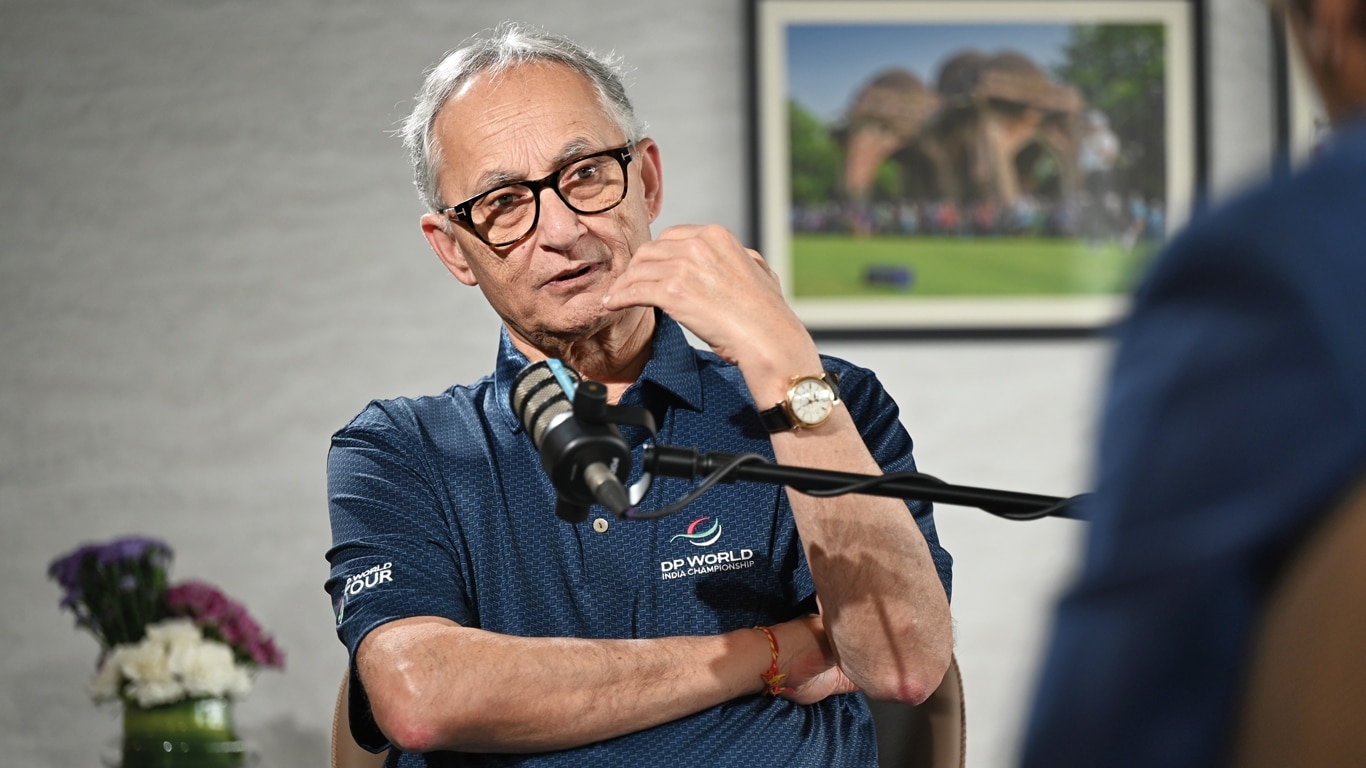

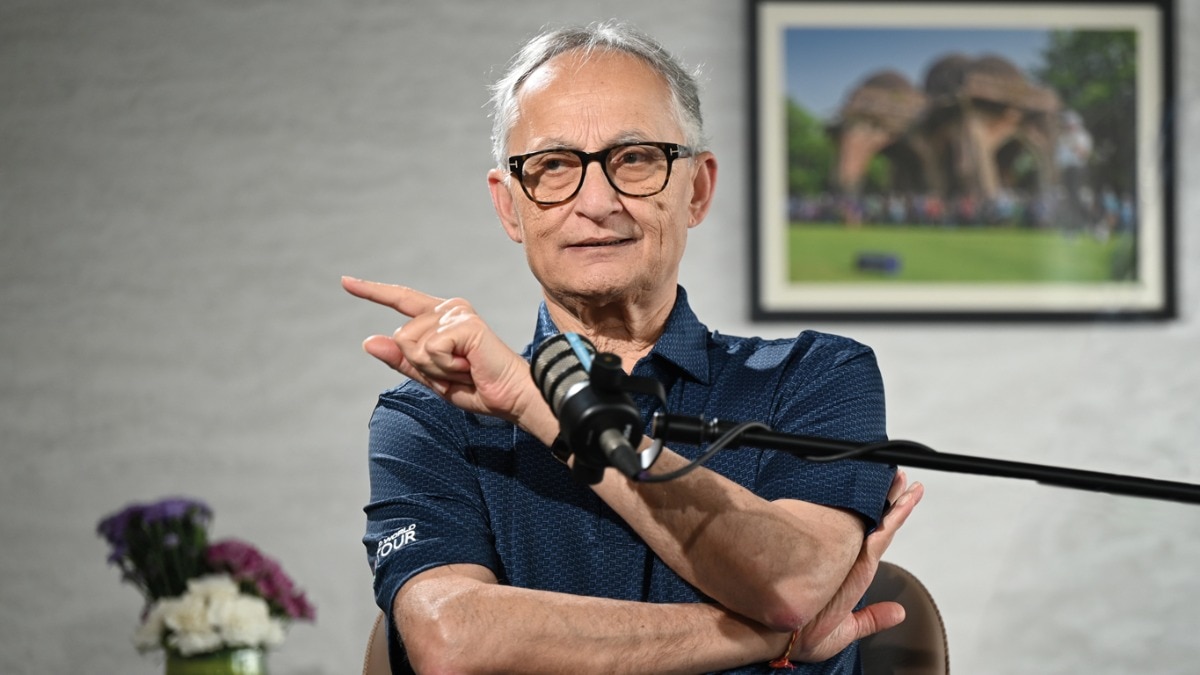
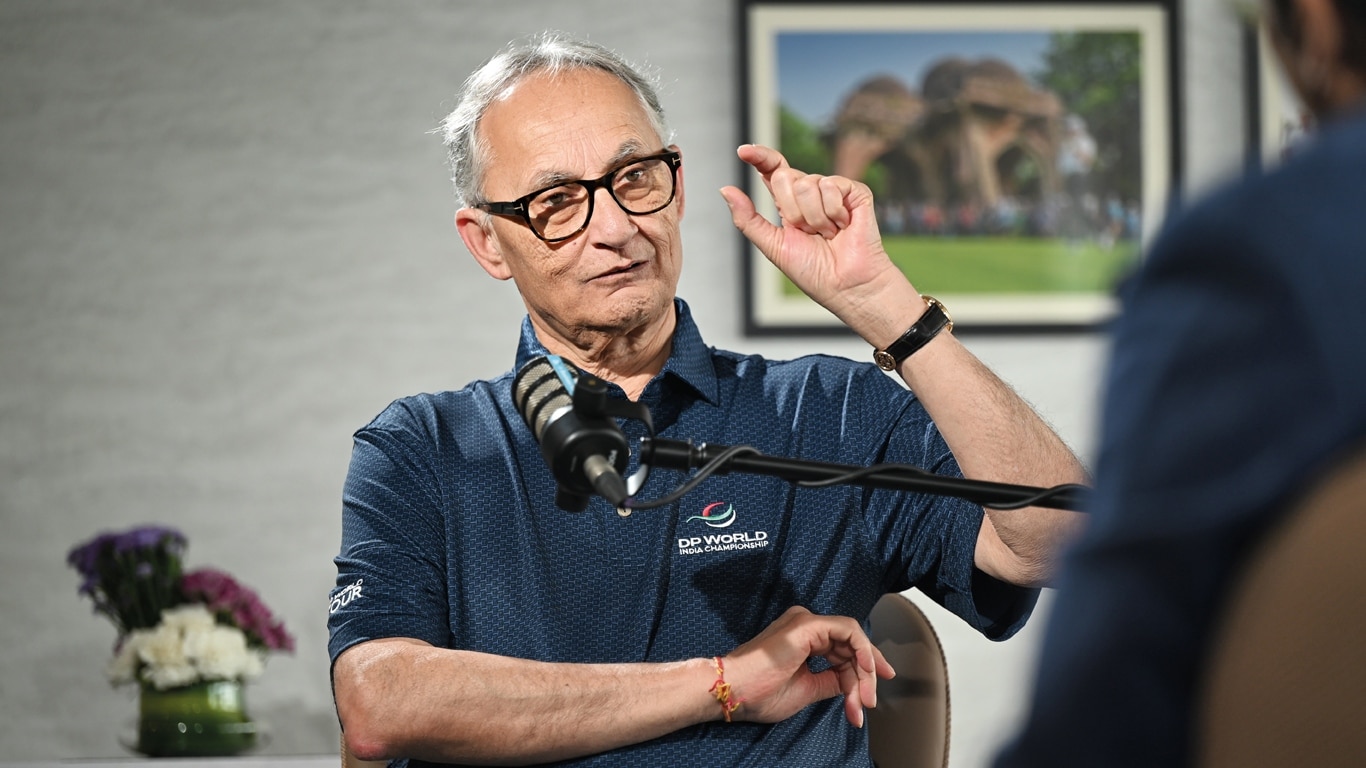
Yuvraj Narayan has spent more than two decades helping DP World evolve from a collection of port businesses into an integrated global logistics giant with a footprint spanning ports, inland logistics, freight forwarding, contract logistics and digital supply chains. A chartered accountant and former chief financial officer who became Group CEO earlier this February, he leads a company operating in more than 80 countries, employing over 125,000 people and supporting the movement of more than 10% of global trade.
That scale provides the backdrop to Narayan’s assessment of the global trading system. In this interview with BT in New Delhi, he describes a “broken world order”, with old arrangements coming apart and no replacement yet in place. As companies seek resilience rather than simply the cheapest supply chains, he expects costs to rise, and consumers to bear them. Yet, he remains convinced that globalisation is here to stay.
India occupies a key place in DP World’s business. The company has plans to invest an additional $5 billion in the country, in projects at Tuna Tekra and Dadri, as well as the bids for Vadhvan port. While Narayan sees an opening for India to gain a larger share of global trade, he wonders why long-term capital is not flowing in faster. He acknowledges improvements in infrastructure and digitalisation, but is also impatient with a system in which, as he puts it, “everything gets challenged”. Edited excerpts:
Q: Global trade and supply chains are being reshaped. How do you see this moment for the world economy and trade order?
A: I would say there is no order. World trade is a subset of the world order. What we are going through right now is a broken world order. We have been through is an era of globalisation where trade barriers dropped and there was free flow of money. What we have seen increasingly over the past decade is that order being broken. And it has been broken by those who were trusted to keep it going.
Globalisation, per se, was very, very successful in terms of global wealth creation. What went wrong with the global order was it was exclusive. It excluded very large portions of the global population. The political framework of every country has moved dramatically to the right as a result of the exclusion.If I have semiconductor chips, I won’t let you have it. The powers that be have lost the trust of the people, but no one else has won it yet. A new world order has to, by definition, be more representative of the global population. It must be built on the foundation of peace.
Q: How long will business have to wait for a new order, given that it cannot function in a vacuum?
A: Very hard to guess. I think business will, in the meantime, find ways to survive and get to the other side. New trade routes will be developed, and more resilience will be built into businesses. The just-in-time, cheapest, most efficient is something of the days gone by. You have to deal with redundancies and the costs associated with them. Everybody also asks me, who is going to bear the cost? The answer is easy—the consumer. And it is only then that the politicians will come together and find a solution.
Q: Will Dubai’s role as a transshipment hub change permanently, or will things return to the way they were after the conflict ends?
A: It depends on the nature of the end of the conflict. We all must hope that it is a negotiated settlement between interested parties, so that there is status quo in terms of open and free waterways. Water accounts for more than 80% global trade. Any form of disruption or blocking of access to waterways will impact the cost of trade, the cost of transportation, the cost of the supply chain. The fact that one needs to buy from the other is not going to change. What will change is, if I was earlier buying 90% from China, I will buy 60%. If I was buying everything from China, I now want to have three suppliers. That is how resilience is built. It is going to take longer. There are going to be more stops, and more capacity will be needed. It is going to take time to build that capacity. We have just emerged from a zero interest rate era to a 6% cost.
Q: What lessons from diversification and acquisitions are shaping DP World’s operations now?
A: I am glad we did what we did. We are diversified. We are in 80 different countries. First, we changed from being a siloed port operating company to a connected one. Then we realised that the real owners of cargo want to see integrated supply chain solutions. So, you have to play the supply chain domestically, to connect the country first from within and then be able to connect the country with the rest of your network. That is what we are doing.
How do you take Indian companies into Africa? None of these places are easy to do business. So we developed the capability to distribute and house Indian products in Africa by building market access and ports. We do the same thing in Latin America. What we learned from COVID was that the length of the supply chain was a risk. China shut down. Singapore shut down. India remained operational. If I was totally dependent on those two countries, my business would have shut down. Our vision and mission is resilient connectivity.
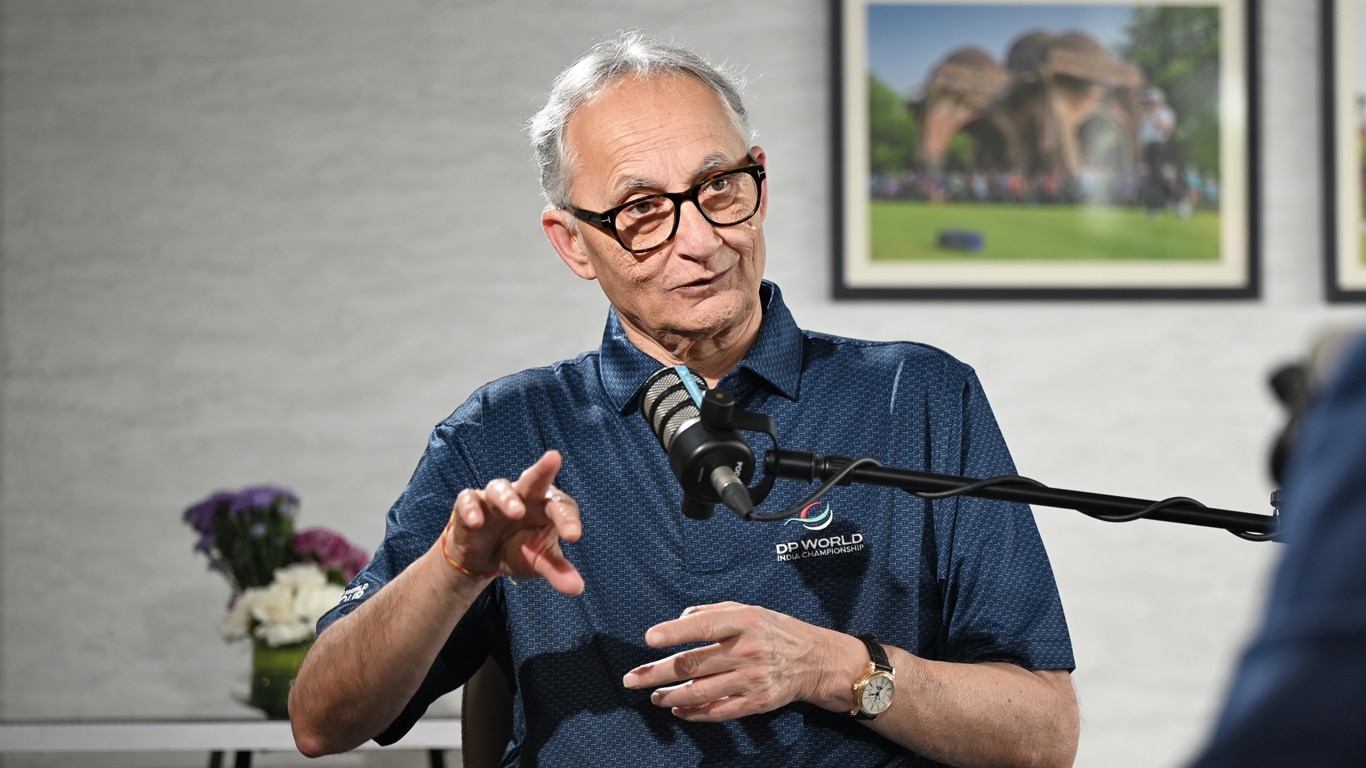
Q: Does India have an opportunity to become a transshipment hub? What would it take?
A: I don’t know what you exactly mean by transshipment. You need passage for cargo. Transshipment in itself is a meaningless thing. The most efficient way to move goods is from point of origin to point of destination direct, without stoppages. The largest trade in the world is inter-Asia. It may change from China to the rest of the world, to China plus Vietnam, plus Thailand, plus Malaysia, plus India to the rest of the world. India can grab a large share now. If you let it go now, somebody else will take it.
Q: Is India recognising the opportunity, and removing bottlenecks?
A: One hears it consistently from powers that
Be here that India wants to become a manufacturing base for the world. I think supply chain infrastructure in the country, whether it is rail, road or shipping, has grown.
Q: After COVID, India was expected to benefit from ‘China plus one’, but countries such as Vietnam also benefited. Is the idea still relevant?
A: Diversification from China is a brutal reality. Let us face it, it is not easy to do that. American capital built China. But if they think China is a monster today, they have built it. Now, why is that capital not coming into India? Why is Indian industry not doing what it should be doing?
Q: What should Indian industry be doing?
A: How much of new investment have they made In India?
Q: Some in the next generation of Indian business families prefer managing family offices... Is the problem risk aversion or a limited pool of capital?
A:. When I meet a lot of successful industrialists I ask them, ‘Why don’t you create global institutions that have Indian origin?’ I seem to get the response that the return on capital in India is the highest in any part of the world, so why would I bother? On the other hand, India is still under-invested. The two don’t make sense together.
If I can take a short-term punt and ride on the Indian tiger as industry doubles in value and triples in value, I just put in money, and when I think I have had enough of a return, I get out. I don’t have to go through the pain of setting up a business in India. We succumbed to the financial interests of the world - let me come and play the Indian growth story, without investing long-term in India.
Q: You are investing an additional $ 5 billion in India. What is the plan?
A:. I am investing big time in Tuna Tekra (a deep-draft, all-weather satellite port terminal located in the Kutch district of Gujarat). I have just invested in Dadri, in an inland container depot. We will be putting our bids in for Vadhvan port. That in itself may be a $3-4 billion investment. But I don’t know whether I am going to win the bid or not. These projects are all bid – there is no bilateral negotiation. I have bid for Vadhvan, and will bid for every stage of the project, but whether I win it or not depends on who else bids.
Q: Do you think it is policy preference?
A: No, I wouldn’t say policy preference. But all I can tell you is no one will come and give to India what I can give. As an investor, we are different from anybody else. I will bring the world to India. And I will take India to the rest of the world. Nobody else is doing that.
Q: Should a large, long-term committed foreign investor like your company be treated differently?
A: Listen, India must do what works best for India. I don’t want any preferential treatment. If I can do 3x for India versus anybody else, should I not automatically be India’s preference? How much money have I invested in India? How much money have I pulled out from India? And what am I prepared to do? I am selling India to the rest of the world.
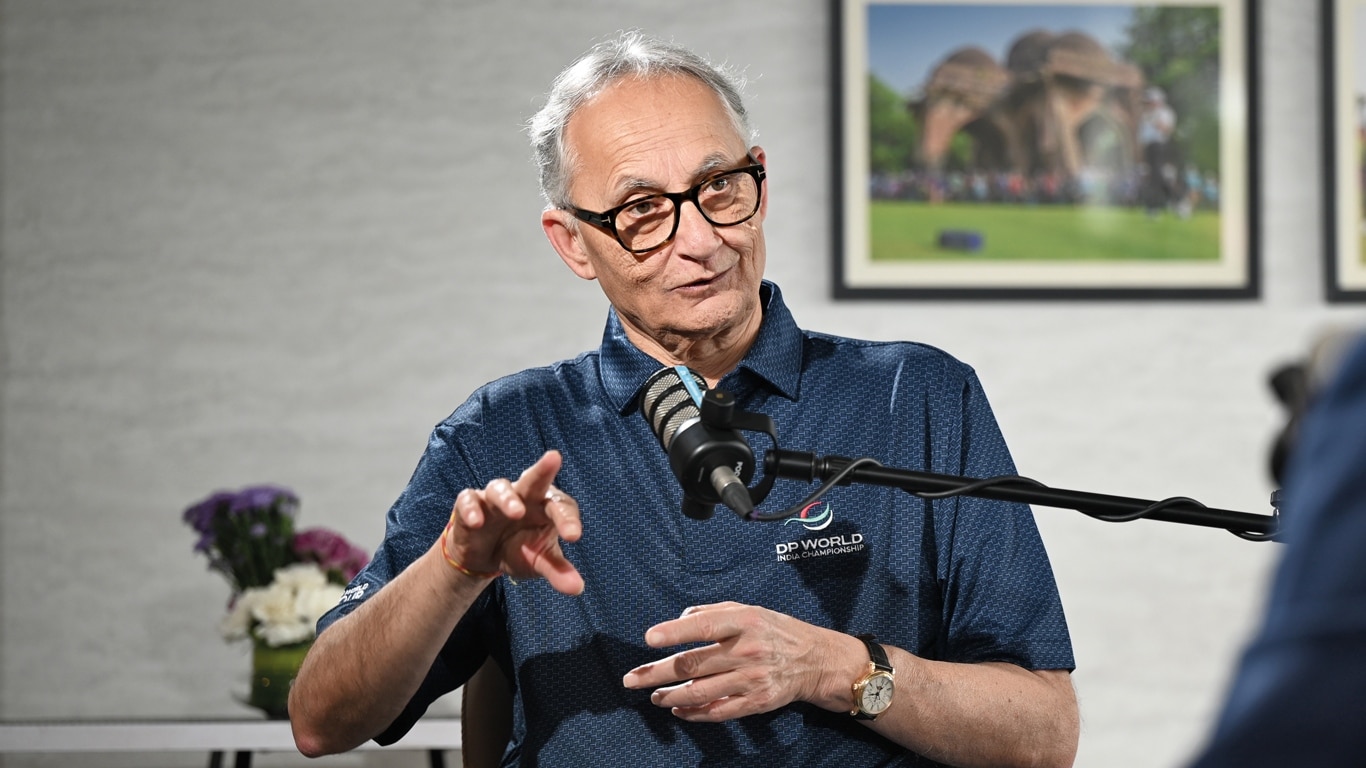
Q: Have central and state-level processes for doing business in India improved? Has enough changed?
A: Has India progressed? Yes. Have good things happened? Yes. Digital India is phenomenal. Roads are being built on time, and railways infrastructure has improved. Has enough happened? No. Should we be doing things faster? Absolutely. Are we getting stuck up on processes? Absolutely.
Nobody is prepared to take a call. Everybody’s constrained by process. We follow process. We are a government company and have massive empowerment. If we find something works, we just go—we are empowered to do it.
Q: Could a government-to-government approach help DP World’s plans in India? Have you raised it, and what was the response?
A: It can. Yes, we have. It is working to some extent. But the litigative nature, the ability of people to stop things from happening, is what prevents people to go down a path which can be questioned. Everything gets challenged. Even simple stuff. And that is where we need to find breakthroughs. So I am a willing investor. You want Vadhvan? You wanted it five years ago? Why did it not happen? You should know. I am prepared to do it tomorrow. I have the money. I am a leading global operator. I do all these things for so many people. Why is it not happening? Why would you not take my cheque?
Q: Is it competition at play?
A:. That I don’t know. All I know is, well, give it to them. Let them put the money and do it. Don’t make the country suffer.
Q: Across your global footprint, where does India stand on ease of doing business and investor friendliness?
A:The world is a very relative place. Everybody wants to do business in India. From what I understand, even India wants foreign direct investment and wants to manufacture for the world. So, there is no divergence. How can we make sure that it happens at a pace where the potential will be realised in the quickest possible time?
Now, it is not as easily done because we are just coming through a phase of extensive weaponisation, which creates an almost national security type of risk for nations. But we have to make that leap of faith. India can do it at scale. India has the market. So when you want to manufacture for the world, you need a place which has a substantive market on its own. Progress, as I said, has been made. But why is the money not flowing into India?
Q: After more than two decades at DP World, what is your future agenda?
A: We are clearly very stable because we are very diversified. Our strength is our people. Personally, I am blessed that I have the confidence of the shareholders. We have had the freedom to operate and have created a phenomenal business. We believe globalisation is here to stay. Alliances will keep shifting. And the new world order will come. Just don’t ask me whether it’s going to be in three months or six months. What I can guarantee you is we will be alive and will outlast this period of uncertainty.
Q: What does it mean to be an Indian-origin CEO of such a global company?
A: I feel blessed for the confidence placed in me by the government of Dubai. Like many other Indian origin CEOs of global businesses, I am proud of the people and the business I lead.
Q: Are Indians great managers of chaos?
A: We are great survivors in chaos.
@szarabi


