The option of configuring laptops and desktops has been around for over a decade now, and companies like Dell offered such liberty with 'build your system' facilities. So why not with phones? Till now, you only had an option to choose the phone looking at the features it had but now you will be able to select the features that you want in your phone and ditch the ones you don't need. The Motorola Project Ara is one such buildyour-phone concept. But this isn't the only one as a few other teams too are working on the same lines.
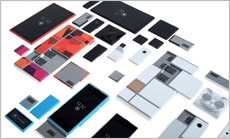
With the idea of bringing the benefits of an open hardware ecosystem to consumers, Motorola's Advanced Technology and Projects group has announced Project Ara. Backed by Google, This will be a hardware platform to create highly modular smartphones. The design for Project Ara consists of an endoskeleton (endo) and modules. The endo is the structural frame that holds all the modules in place. A module can be anything - a new application processor, a new display or an extra battery. According to the Motorola Blog, "We want to do for hardware what the Android platform has done for software: create a vibrant third-party developer ecosystem, lower the barriers to entry, increase the pace of innovation, and substantially compress development timelines." With Project Ara, you will be able to decide what your phone looks like, how much it costs and what it will do.
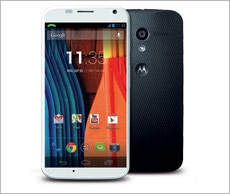
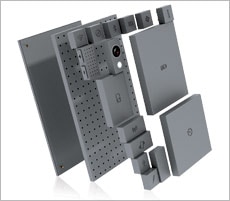
It is a start-up founded by Dave Hakkens. Phonebloks is a modular smartphone designed with the aim of reducing cellular waste. It consists of a main board onto which so-called bloks could be added. Each blok will be responsible for a unique function of the phone, much as a desktop computer has a distinct sound card, graphics card, processor, monitor, and power supply. When something goes wrong, instead of throwing away the phone, one could simply replace the defective blok. Phonebloks aims to create a prototype for this modular phone. One of its biggest partners in the venture is Motorola.

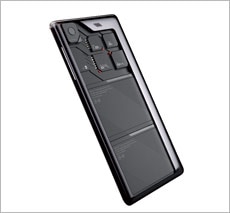
ZTE showed its modular phone and tablet concepts at the Consumer Electronics Show. The concept phone has a stunning design and allows users to change almost anything - from GPU to camera, with components snapped together inside a case. But this prototype is far from reality at the moment.













