














When Bijit and Rashmi Sehgal sold their export business in Noida after the pandemic and moved to Bijit’s hometown of Kasauli, they did not want an old-age home, or even a conventional retirement apartment. They wanted fewer chores, better views, and someone else worrying about dinner.
“We figured there would be others like us. So, we built Better Life Homes—a boutique senior-living property of 16 apartments,” says Bijit, who is in his mid-60s.
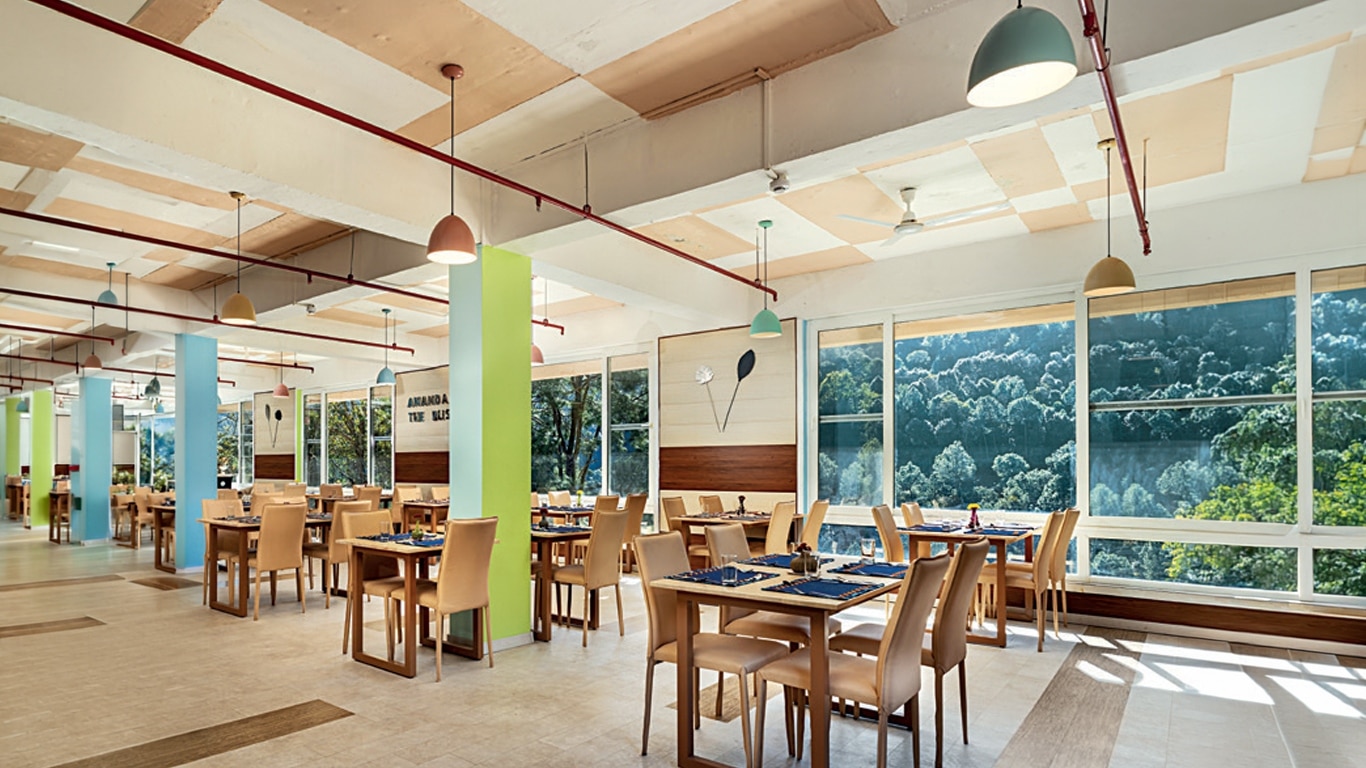
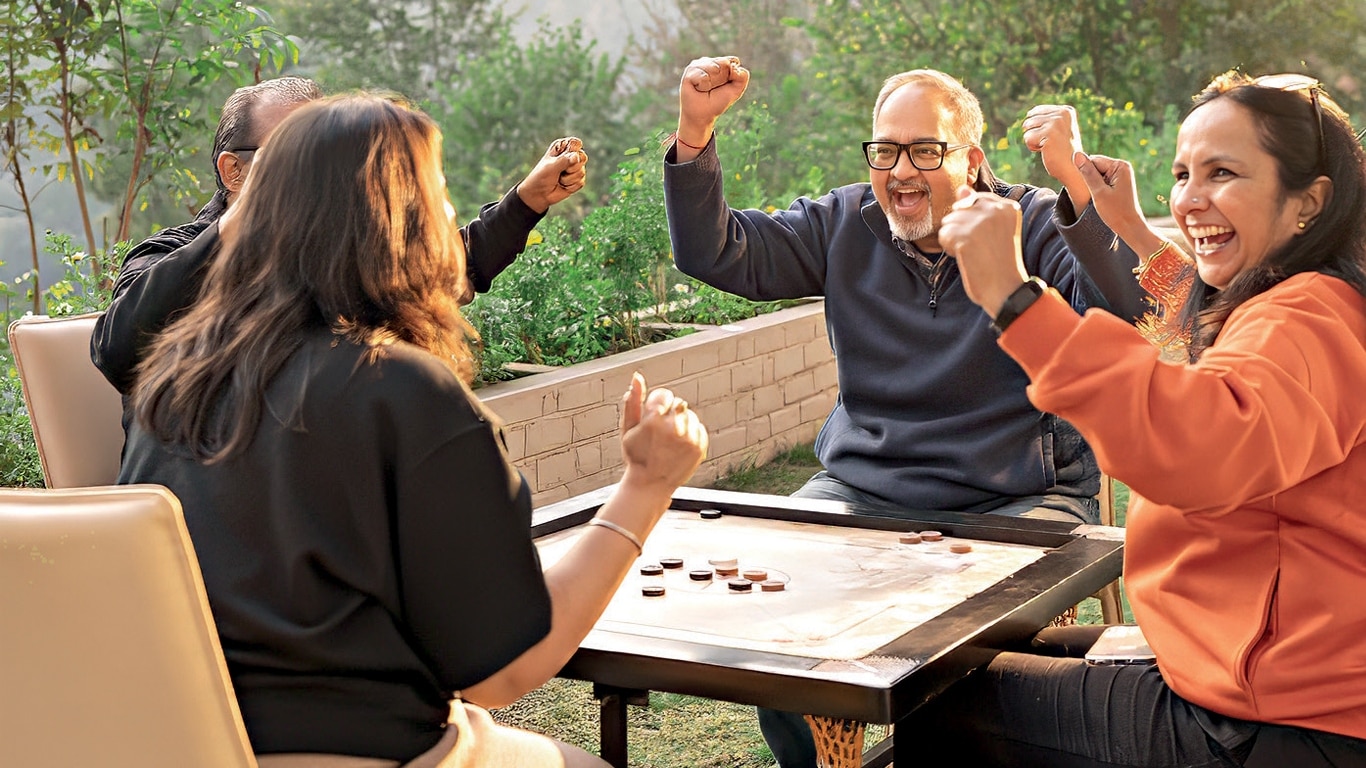
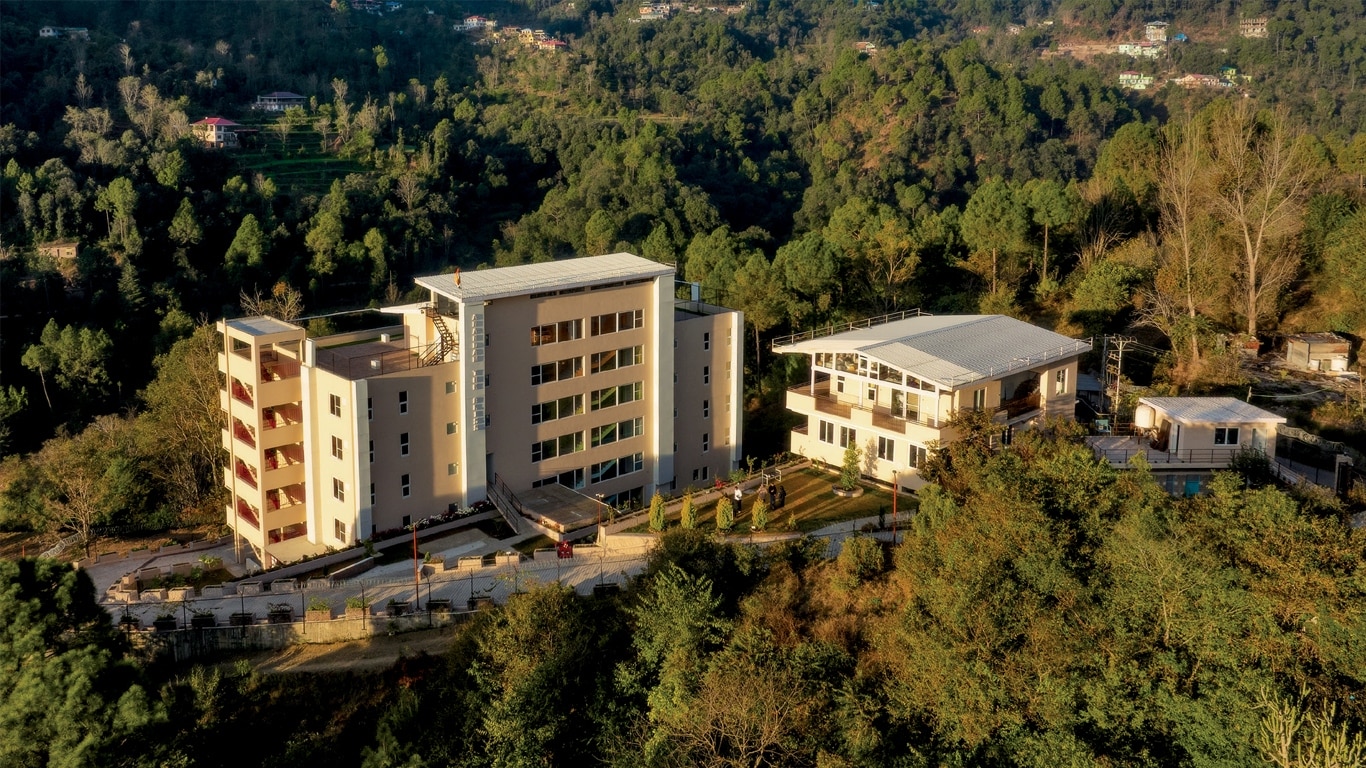
Better Life Homes overlooks the hills, and its one- and two-bedroom residences are furnished, its kitchens are staffed by four chefs, and its days can include yoga, meditation, billiards, organised walks, barbecues and musical evenings. A spa and salon sit alongside medical support and health checks.
“We are a home for active senior citizens who are still living it up,” says Bijit. “So, we organise barbecues and musical evenings, but of course having access to great medical facilities is also important,” adds Rashmi. The property is close to a multi-speciality hospital.
Designed by Swiss architects and managed with hospitality services from Sodexo, the project is less an old-age home than a private club with nurses nearby. That balance between indulgence and reassurance is defining India’s fast-evolving senior-living industry. Once associated with institutional homes, the category is being repositioned as a premium lifestyle choice for older adults who are wealthier, healthier, and unwilling to compromise on how they live.
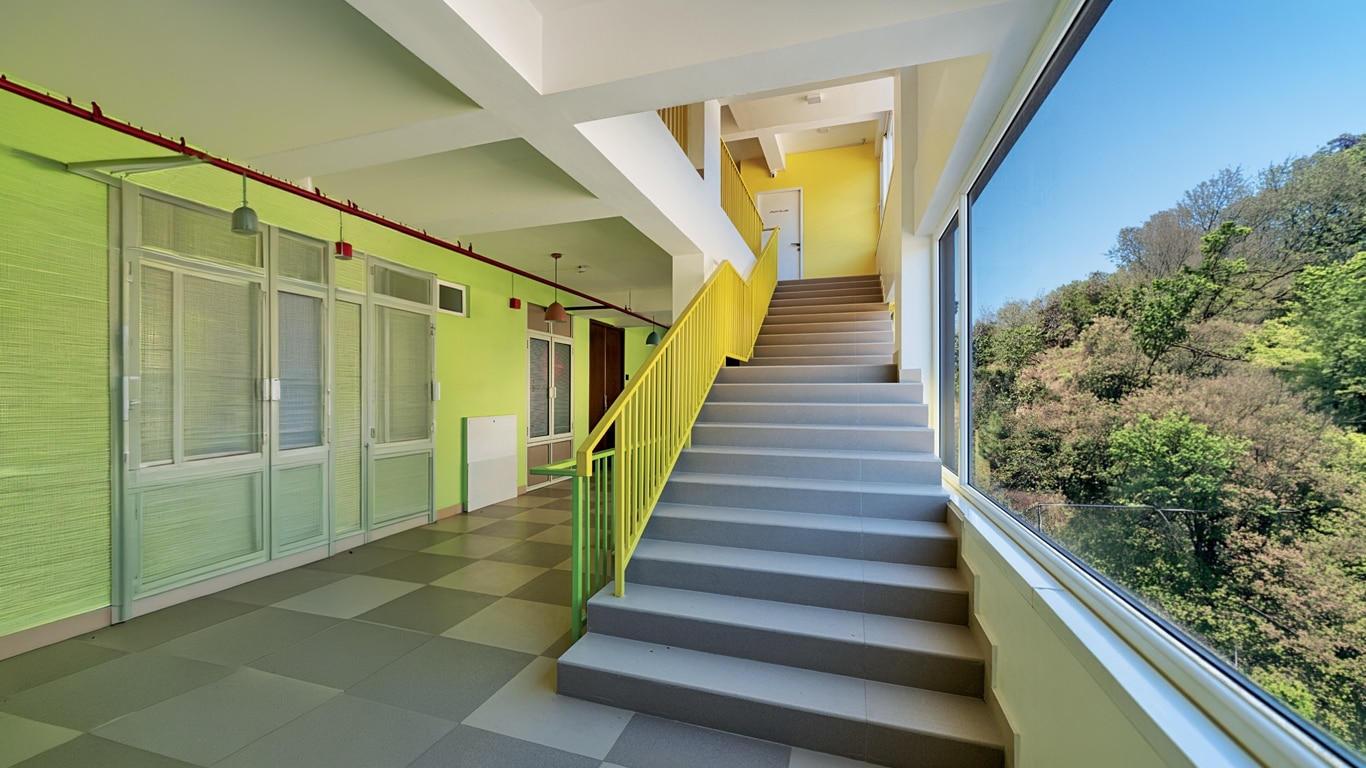
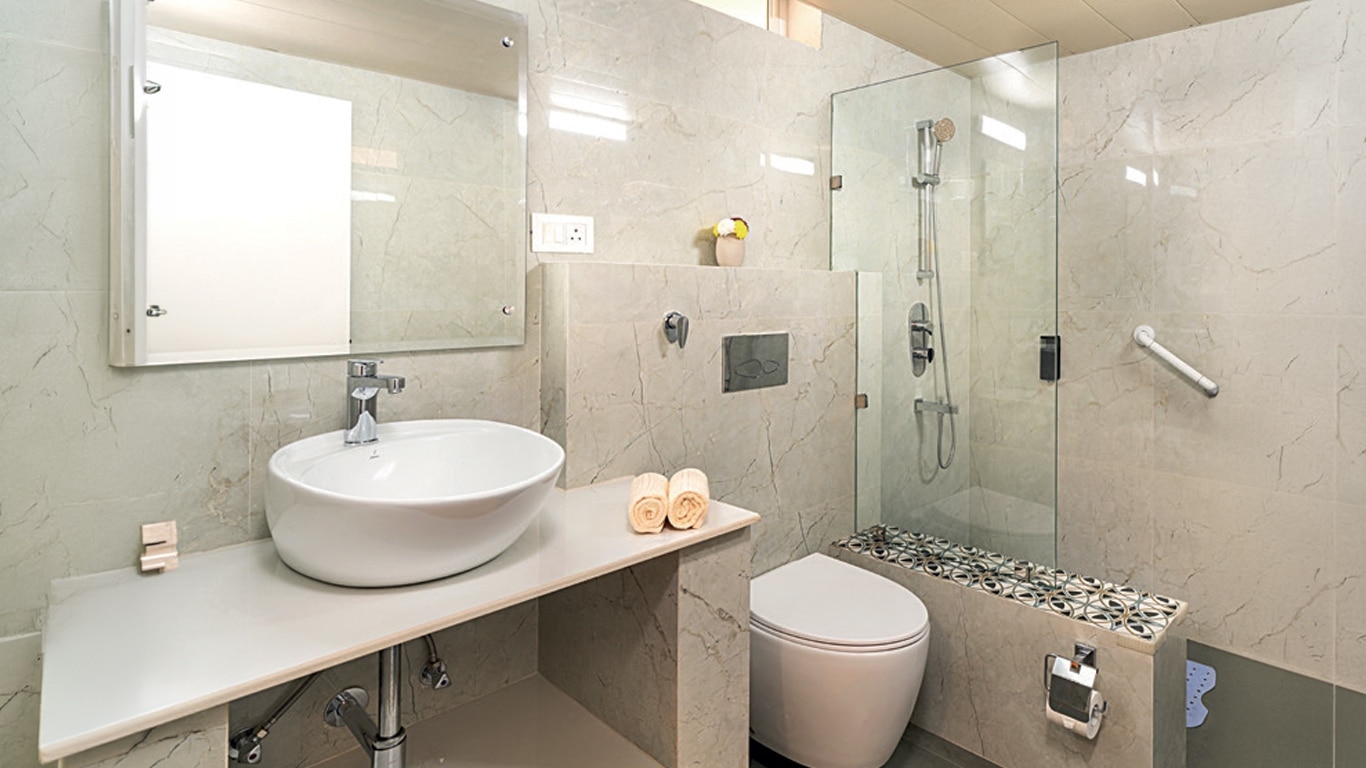
The new senior-living home is not a dingy apartment. It’s a spacious residence with landscaped grounds and hotel-style service. Swimming pools, gyms, libraries, salons, restaurants, miniature golf, walking tracks, and wellness studios are par for the course. But all this comes with step-free entrances, anti-skid flooring, wide corridors, emergency systems, and trained medical staff.
For developers, the proposition is as much about hospitality as housing. Residents are buying more than square footage. They are paying for convenience, social life, preventive health care, and the comfort of knowing that help is available.
At Better Life Homes, a one-bedroom apartment of about 1,200 sq. ft. costs `11,400 a night, including taxes and meals, while a 1,600-sq-ft two-bedroom apartment costs `23,300. The homes are not offered for sale.
“We get a lot of enquiries for sale as in India the mentality is still of building an asset and leaving an inheritance, but we want to change that,” says Bijit.
Senior-living developments generally follow two models. In the lease or rental model, residents pay to live in a fully-serviced community without purchasing the property. This suits people seeking flexibility or preferring to divide their time between cities. The ownership model allows buyers to purchase a residence outright.
Rajeev Suri, 70, prefers the flexibility of leasing. He and his wife use Better Life Homes to escape Delhi, enjoy the mountain air and spend time with like-minded people.
“I’m involved in various projects and that is still keeping me in Delhi, but when the opportunity arrives, I would like to move to Kasauli for a longer period of time,” he says.
For many residents, however, the move is permanent. Menaka Singh, 72, relocated to Antara Senior Living in Dehradun after her husband’s death. “I have a social circle here and have made friends,” she says. “I don’t have to bother with the daily headache of managing domestic staff and I am still close enough to Delhi to visit whenever I want.”
Antara, one of the earliest premium players in the category, follows the ownership model. Its apartments range from 2,000-6,000 sq. ft. Its projects in Dehradun and Noida are sold out, while a new Gurugram development starts at `5.54 crore.
Market research company Mordor Intelligence valued India’s senior-living market at $3.55 billion in 2025 and expects it to reach $14.14 billion by 2031, at a CAGR of 25.92%. While the market is dominated by the ownership model, the rental or long lease model is expected to grow at a CAGR of 26% during 2026-2031.
With India’s population aged 60 and above expected to rise from 153 million in 2020 to 347 million by 2050 and families becoming smaller and more geographically dispersed, senior living properties are targeting retirees with higher savings, stronger preferences and a greater willingness to spend on themselves.
Also, not everyone is willing to relocate to a different town. You want to be in your own city but just in a more comfortable setting. Little wonder, senior-living developments are increasingly appearing in Gurugram, Bengaluru, Hyderabad, and Chennai, alongside destinations such as Dehradun and Kasauli.
DLF, for example, has announced a luxury senior-living project on Gurugram’s Golf Course Extension Road, with four-bedroom residences of about 4,200 sq. ft priced from roughly `12 crore. The development has wellness infrastructure and a health-care partnership with Medanta.
Apollo Hospitals’ Seniors First programme in Bengaluru offers 24/7 helplines, concierge services, and frailty assessments, exemplifying the embedded-care model. Telemedicine portals and electronic health records allow continuous monitoring of vitals and medication adherence. Developers are also integrating fitness studios, meditation halls, and dietician support, transforming campuses into preventive-care ecosystems rather than passive dwellings.
These developments are aimed not at the frail or dependent, but at older Indians who are healthy, financially secure, and determined to decide how to spend the next stage of life. They want companionship without surrendering privacy, medical care without living in a hospital, and housekeeping without giving up independence.


