


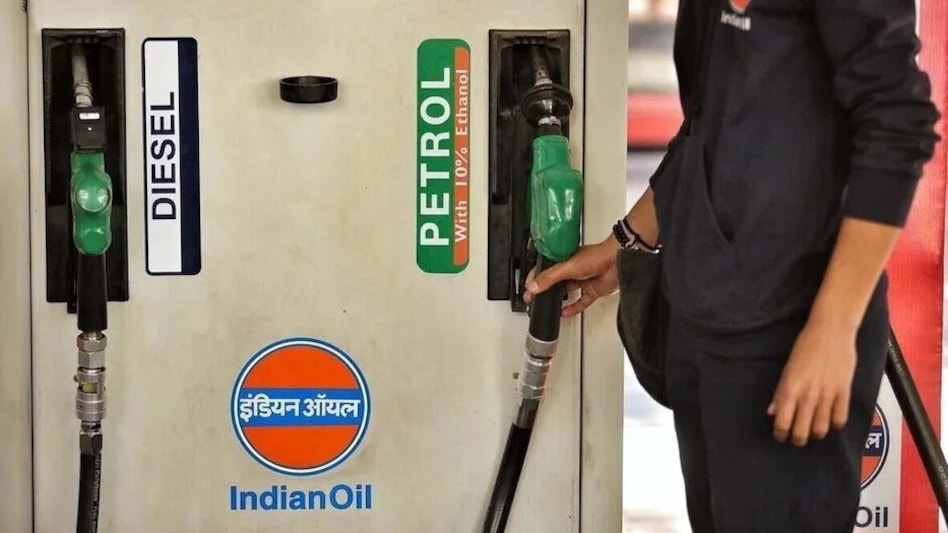
 JM Financial said every Rs 1 per litre increase or decrease in auto fuel GMM led to a 12 to 17 per cent rise or fall in consolidated Ebitda for OMCs.
JM Financial said on Thursday that an excise duty hike of Rs 3 to Rs 4 per litre on auto fuels such as petrol and diesel was “quite likely” ahead of the Union Budget on February 1, as oil marketing companies were earning elevated marketing margins and the central government faced pressure on its fiscal position.
JM Financial said oil marketing companies (OMCs) were earning normalised auto fuel gross marketing margins (GMM) of around Rs 3.50 per litre at a Brent price of about $72 a barrel. At the prevailing spot Brent price of around $61 a barrel, the brokerage said GMMs and integrated margins were significantly higher than normalised levels. It pegged current GMM at about Rs 10.60 per litre versus a historical average of Rs 3.50 per litre, while integrated gross margin was estimated at about Rs 19.20 per litre compared with a historical level of about Rs 12.20 per litre.

 Setback for Subhash Chandra: NCLT puts media baron's repayment plan on hold, seeks CBI response in 4 weeks
 NSE IPO: Sunil Munjal, RK Damani, Raamdeo Agrawal, Dolly Khanna, Kris Gopalakrishnan turn big winners; here's how
 Tata power play: Chandrasekaran family's TVS ties emerge days after Venu Srinivasan backs his third term
 India ranks 4th among countries worst hit by heat-related deaths due to Super El Nino. Here's how
 BT Big Story: Why India Inc is warming up to non-English-speaking executives
  Elevate Campuses IPO Opens: Should You Apply For Listing Gains Or Avoid This Issue?
 FM Sitharaman At BRICS Meet: Technology, Shared Standards And People Shape Tax Administration
 EXCLUSIVE: Abhishek Manu Singhvi Defends Tata Trusts’ Veto Rights; Explains The Boardroom Battle
 UNGA 2026: Can The U.N. Stop Wars? Security Council Crisis, Oil Shock & India’s Reform Push
 S&P Upgrades India’s FY27 Growth Forecast By 40 Bps To 7%; Expects RBI Rate Hike To 5.50%
 Defence stock to buy: Ashika picks pure-play drone maker, sees 27% upside
 ITC, Godfrey Phillips shares gain on latest cigarette price hike
  Clean Max Enviro Energy shares: Macquarie's target price sends stock soaring 8%
 Solar Industries: Revenue CAGR seen at 43% till FY30, can the stock hit Rs 23,000 mark?
 Bajaj Finance share price target: Why it is among Jefferies’ top NBFC picks
 More than half of term insurance buyers now choose ₹1 crore+ cover: What has changed after GST reliefElevate Campuses IPO Opens: Should You Apply For Listing Gains Or Avoid This Issue?Defence stock to buy: Ashika picks pure-play drone maker, sees 27% upside
 Homebuyers, take note! Puravankara plans ₹5,200 crore Greater Noida housing project near airportFM Sitharaman At BRICS Meet: Technology, Shared Standards And People Shape Tax Administration












