


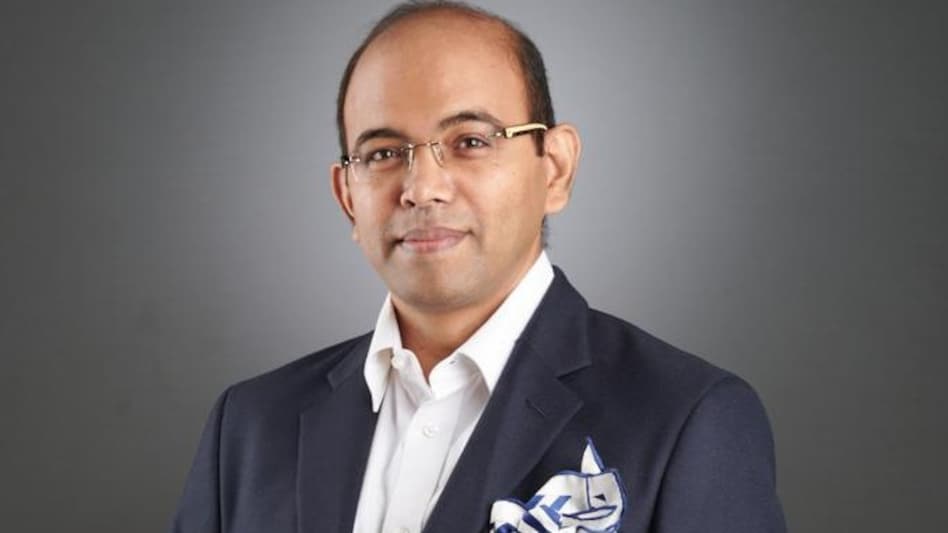
 Balaji Narasimhan, Senior Director, Operations and Head of TransUnion GCC India
India has quietly emerged as the world’s GCC capital, hosting more than 50% of the global capability centres. With nearly 1,700 GCCs employing over 1.5 million professionals, the country is no longer just a back-office hub. It is powering global product development, innovation, and enterprise transformation. From AI and cybersecurity to design and cloud platforms, the country’s talent pool and leadership depth are redefining how multinationals operate. In an exclusive interaction with Business Today, Balaji Narasimhan, Senior Director, Operations and Head of TransUnion GCC India, explains how this shift is unfolding. Edited excerpts:
BT: How are GCCs in India evolving from back-office units to global innovation hubs?
Narasimhan: The evolution of GCCs in India from back-office units to innovation hubs is driven by a combination of factors such as accelerated digital transformation and global trust in Indian talent. One of the key trends is the emergence of the multi-functional, multi-locational GCC networks, wherein these centres are no longer siloed, but operate as one unit to drive customer-centric innovation and 24/7 global operations.
BT: What makes the country uniquely positioned to lead the GCC transformation?

 LIC emerges as biggest bidder in NSE IPO, applies for shares worth Rs 4,500 crore: Report
 NSE IPO listing on September 24: How 5 largest IPOs fared on market debuts
 UPI MDR GST: NPCI says small merchants and 96% of transactions remain unaffected from October 15
 OpenAI warns of autonomous AI risks, calls for global rules before AI starts improving itself
 Most expensive residential unit: All about Dinesh Thakkar who bought ₹711 crore Juhu tower
 IIT Bombay Protest: Rajkumar Pant On Student Demands, Professor Suspension And Campus Row
 Is Microsoft India Evaluating More Data Centres To Scale AI Infrastructure?
 Market Guru: Anshul Saigal On Market Outlook & Key Investment Themes
 Data Centres To Defence: Kshitiz Mahajan’s Key Investment Themes
 Varmora Granito IPO: How Management Plans To Reduce Morbi Concentration Risk
 HAL, BEL, BDL, BEML: Defence stocks to buy for 13-24% upside
 IREDA, Ola Electric, Adani Energy Solutions, Crisil, Supreme Petrochem: Expert shares outlook
 Abakkus Asset Manager IPO: Sunil Singhania-promoted firm files DRHP with SEBI; check key detailsNSE IPO listing on September 24: How 5 largest IPOs fared on market debutsLIC emerges as biggest bidder in NSE IPO, applies for shares worth Rs 4,500 crore: Report
 Vande Bharatam concludes: MiCoB wins ₹50 lakh, startups secure ₹50 crore in investment offers
 India’s Asian games cricket: Why Men’s team get separate hotel but Women’s team stay in games facilities HAL, BEL, BDL, BEML: Defence stocks to buy for 13-24% upside
 vivo V80 India launch date confirmed: ZEISS Portrait So Pro and OriginOS 7
 'A splendid triumph for Indian cricket': PM Modi, others congratulate Harmanpreet Kaur-led Team India












