


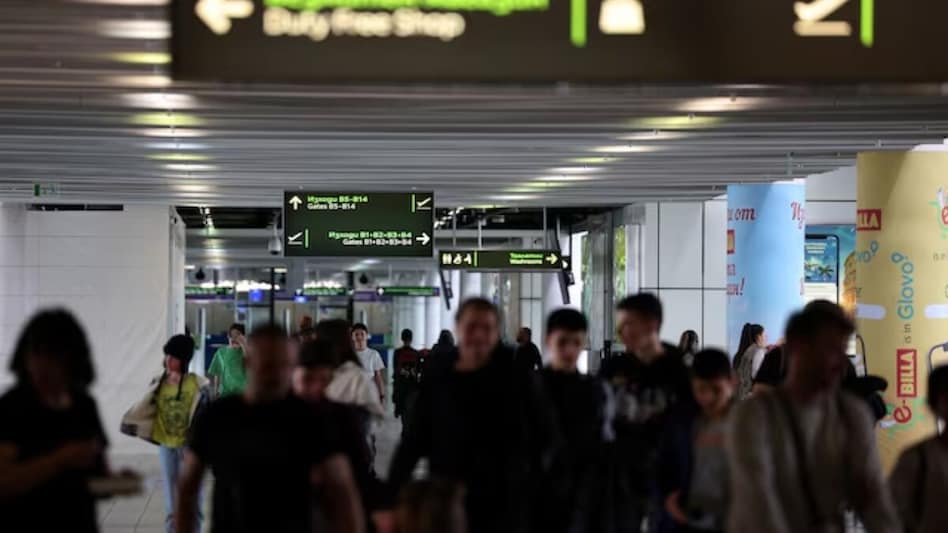
 Bulgaria paves way for digital nomads with new residence permit for remote workers
In a bid to attract remote workers, Bulgaria has introduced a new digital nomad residence permit, providing an immigration pathway for the first time. Applications for the permit opened on December 20, 2025, marking a significant step in the country's efforts to tap into the growing global demand for flexible work arrangements.
The digital nomad permit applies to three categories of foreign nationals who work remotely for employers or businesses outside the European Union (EU), the European Economic Area (EEA), and Switzerland. Bulgaria's move places it among the nations offering specialised residence options for remote workers, as more countries respond to the evolving demands of the workforce.

 TCS to acquire Porsche’s IT consulting arm MHP for €320 million, signs five-year strategic deal
 Tata Sons board likely to meet on September 17, Chandrasekaran exit may take center stage
 'Our trade is growing again, thanks to PM Modi': Putin tells EAM Jaishankar
 Trade war escalates: Trump announces 50% tariffs on Canadian autos & steel from Jan 1
 Saudi attacked by Houthis, Turkey targeted by Israel: So what is the Mecca Pact doing?
 Market Masters | Aniruddha Sarkar On Top Sectors, Market Outlook & Where To Invest
 Daily Calls: Ask Your STOCK MARKET TODAY QUERIES | Market Update | Share Market News Today
 All About Debt Funds: Types Of Debt Funds & How To Invest | Mutual Fund Guide | Money Today
 “India Can Attract Global Space Talent Like A Magnet”: PM Modi To Startup CEOs
 CM Yogi Responds To Rahul Gandhi Over Manusmriti Remarks, India's Youth, And Heritage
 Tempsens Instruments IPO: Issue subscribed over 184 times on final day; check latest GMP
 Cupid's Aditya Kumar Halwasiya ups stake to 33.53%; buys 11 lakh shares
 Auto, auto ancillary stocks: Is it time to book profits? What Centrum's Nilesh Jain says
 This mid-cap metal stock zooms 15% on Rs 2,700 crore order announcement; do you own?
 RVNL shares a buy? Accumulate railway stock as valuations cool, says Kranthi Bathini
 Tarique Rahman's Bangladesh is returning to BNP's Islamist roots, warns Brahma Chellaney
 ‘The real life batman’: Rahul Gandhi posters featuring LoP & caped crusader put up near Congress HQ
 'What about Sharia?' Himanta hits out at Rahul Gandhi over 'Manusmriti mindset'Trade war escalates: Trump announces 50% tariffs on Canadian autos & steel from Jan 1
 NEET-PG 2026: Admit cards to be released on Tuesday, August 25












